Introduction — a workshop morning, numbers, and one question
I was standing by the coffee machine when the lights on our older VMC dimmed and a job stalled (that feeling — you know it). As I looked up, I thought about how many shops face the same pinch: rising cycle times, more rejects, and tighter delivery windows. For CNC vertical machining center manufacturers, that pattern shows up in service calls and in quotes — about 34% more maintenance visits last year in small-batch shops I talk with. So I ask: when should you actually change your setup, and how do you decide without wasting money or time?
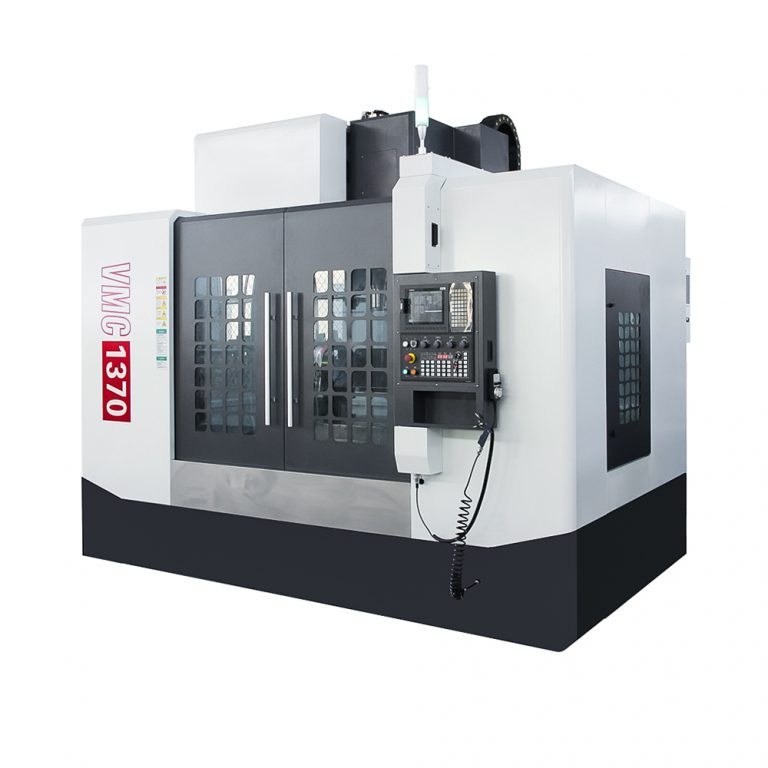
I say this as someone who has watched cutters wear out, controllers glitch, and teams stretch to hit ship dates. We want clear signs, not guesses. In this piece I’ll share what I see on shop floors — simple signals you can test today — and I’ll walk with you through the hard bits. Next, let’s peel back why small setups so often fail us and where the real pain lives.
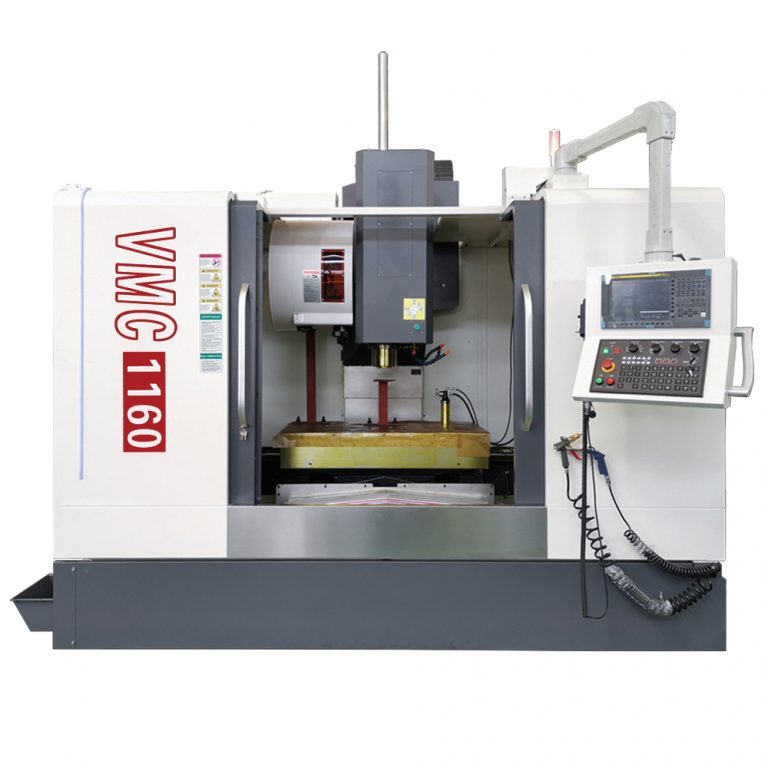
Hidden pain points with the small cnc vertical machining center
small cnc vertical machining center units promise compact footprint and lower cost, but they hide a few traps that keep shops working harder than they should. First, limited spindle power and basic tool changer designs mean longer cycle times on harder materials. Second, older CNC controller firmware can’t optimize complex toolpaths, so you burn time and wear tools faster. Add axis backlash and inconsistent feed rate control, and you get scrap or extra finishing steps. Look, it’s simpler than you think — the machine’s spec sheet tells part of the story, but not the daily friction.
Where does the workload actually sit?
Let me be specific: operators fight small tool magazines, slow rapids, and thermal drift more often than managers expect. Those are not just technical notes — they are labor costs, rework, and unhappy customers. I’ve measured shops where a single axis backlash issue added two minutes per part. That sounds small, but hours stack up across batches. From spindle speed limits to the lack of adaptive feed control, the old-school fixes (tighter tolerances, more finishes) just push the problem down the line. We need better diagnostics and smarter controllers — not more overtime.
What’s next — new principles and practical metrics for choosing a mini cnc machining center
Moving forward, I prefer a practical tech view. New machines bring smarter CNC controllers and better power converters, plus predictive sensing that spots tool wear before the first scrap. A mini cnc machining center with an improved spindle and an upgraded tool changer reduces setups and saves hands-on time. I like systems that offer closed-loop feedback and simpler interfaces. Semi-formal note: you don’t need every fancy feature, but you do want the right ones for your parts.
Real-world impact — what to watch for
In real shops I visit, the best gains come from matching machine capability to part mix and from measuring three things: cycle time per part, mean time between failures (MTBF), and first-pass yield. Those metrics tell you if a machine is truly helping. Also consider support — fast parts availability and clear service pathways matter. — funny how that works, right? I’ve seen a modest investment in a better controller cut rework in half within a month.
So here are three practical evaluation metrics I recommend when choosing upgrades: 1) Effective cycle time under your mix (not the brochure number), 2) Service response time and spare parts logistics, and 3) Long-term energy and consumable costs (spindle life, tooling). Use these to compare options side by side. I stand by this approach because it keeps decisions grounded in what actually happens on the floor, not shiny specs. If you want a partner who understands both the shop floor and the machine sheet, check Leichman — they build machines that fit these needs.