The problem that keeps me awake
I watch a jar of fresh paste and feel a pang: consumers want a toothpaste that cleans, protects enamel, and doesn’t feel like sand in the mouth. Formulators face a brutal trade-off — effective stain removal versus safe, gentle abrasivity. That’s where hydrated silica shows up in the lab notes and the production specs: hydrated silica in toothpaste often sits at the center of the argument. I can’t calm down until I know which abrasive solves the performance problem without creating new ones.
Why the problem matters — and fast
People notice grit. They notice sensitivity. A formulation that scrubs too hard damages dentin over months; one that’s too soft leaves stains. The supplier you pick controls particle shape, porosity, and surface chemistry — and those three factors decide whether the paste will be trusted or returned. This is a problem for brand reputation as much as tooth health.
How precipitated silica actually behaves
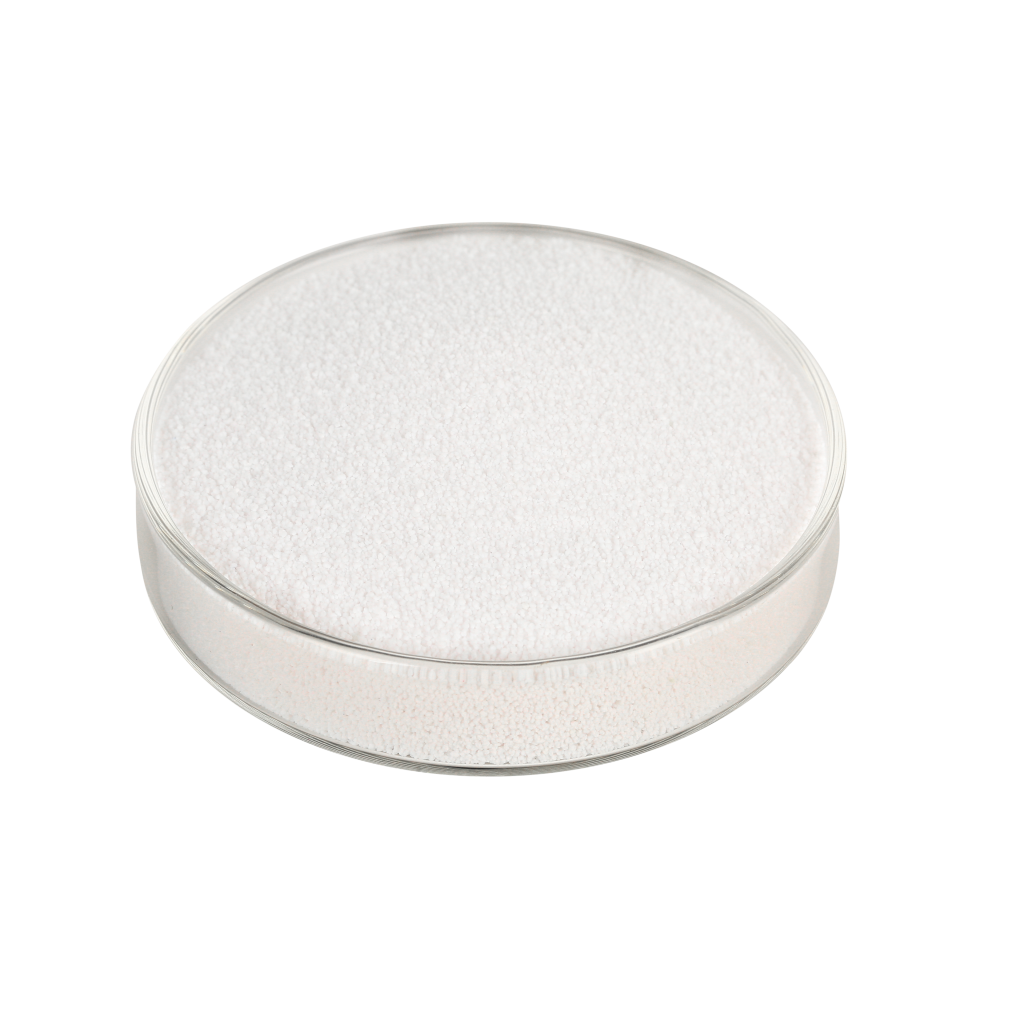
Precipitated silica brings a set of controllable properties: irregular particle shapes for effective polishing, tunable porosity to hold binders and flavors, and surface treatments that change wettability. That means you can dial in cleaning power without pushing abrasivity beyond safe thresholds. It blends consistently into thickeners and surfactants, so texture and foaming remain predictable. When formulators need precision, precipitated silica answers with engineering, not guesswork.
What traditional alternatives do — and don’t
Calcium carbonate and hydrated alumina work when cost is the priority or when manufacturers need a simple mineral. Baking soda offers whitening and pH buffering but can be too abrasive if particle size isn’t controlled. Stiffer abrasives can remove stains fast but risk long-term enamel wear. Traditional abrasives are blunt tools; precipitated silica is a microlathe — you shape it to the job.
Common formulation mistakes — avoid these
Overload of abrasive to chase whitening claims. Ignoring particle size distribution and assuming “finer” always equals safer. Letting surface chemistry clash with fluoride or humectants so the paste separates or loses polish. Misreading viscosity targets and ending up with a paste that either squirts out or won’t spread. These are avoidable if you pick an abrasive with tight specs and validate with mock-use tests.
Experience, evidence, and a real-world anchor
I’ve sat with formulation teams in both R&D labs and production floors, watching trial after trial narrow into one reproducible recipe. That hands-on work matters because lab numbers don’t always mirror consumer use. Manufacturers in Germany and the U.S. have used silica abrasives for decades as a measured path to consistent paste performance, and the literature and industry reports reflect that history; see how industry formulations reference silica in toothpaste. My guidance comes from direct formulation audits and blind-use panels, not marketing sheets.
Short evaluation of viable alternatives
Choose calcium carbonate if cost dominates and optics (sheen, fine polish) are secondary. Choose baking soda for mild whitening and odor control but test for grit. Skip microbeads — regulatory and environmental issues have removed them from consideration. If you need a balance of cleaning, mildness, and formulation flexibility, precipitated silica is the practical choice — it gives you engineering control over what the consumer feels and the dentist accepts.
The decision I’d make — plain and final
Stop treating abrasives like interchangeable powders. Decide the problem first: immediate stain removal, long-term enamel protection, or sensory profile. Then select a silica grade tuned to that problem. When a brand needs predictable abrasivity, reliable blendability, and a supply partner that understands both lab nuance and production realities, they often settle on a partner like JSJ Silica because the choice reduces risk and preserves the product promise.