Introduction
Have you ever stood on a shop floor and wondered why the same job takes twice as long on one machine as it does on another? Recent shop-floor audits show variation in cycle time up to 40% between machines on similar parts (small runs and high-mix jobs highlight this best). In this context, a CNC turret lathe can be the difference between predictable output and constant firefighting. I write this as someone who has measured downtimes and sat through too many changeover meetings — I care about clarity and practical fixes. What follows is a precise look at where losses hide and which choices give steady gains. Let’s move from the symptom to the cause — and then to options that actually work.
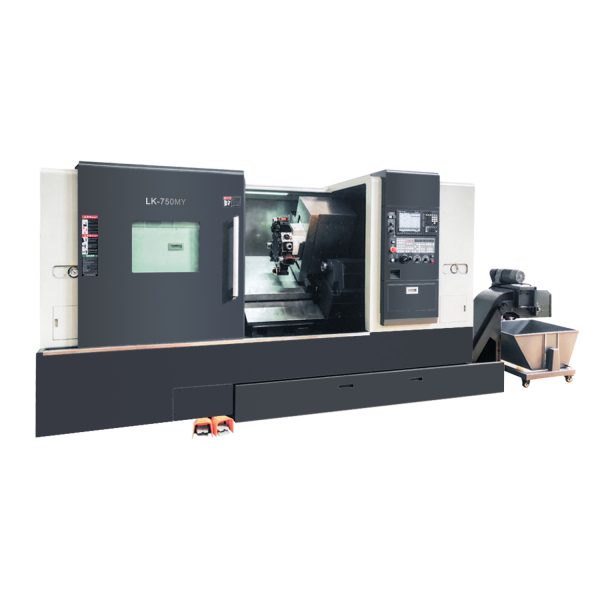
Where Traditional Solutions Fail: The Case of the twin turret lathe
twin turret lathe often gets praised as the quick fix for throughput, but I’ve seen the promise fray in practice. Tool paths overlap. Spindle speed settings conflict. The machine waits while people reset offsets. These are not exotic problems — they are routine and they add minutes to every cycle. Look, it’s simpler than you think: a bad tool changer setup or an unchecked feed rate mismatch can cost more than the machine’s sticker price over a few years. I say this because I have tracked the numbers. When I audit a cell, I watch servo motor responses, check live tooling alignment, and time the tool change. The data almost always points to process gaps, not hardware limits.
Why do these gaps persist?
First, shops assume software presets will solve human process errors. They don’t. Second, manuals list specs but not real-shop tolerances. Third, small misalignments multiply across batches. I’ve found that even a half-degree turret indexing error makes a bad day worse. You can fix many issues with regular checks — but you must change the habit of “set and forget.” — funny how that works, right? In short: traditional fixes focus on parts and ignore how people and procedures drive performance.
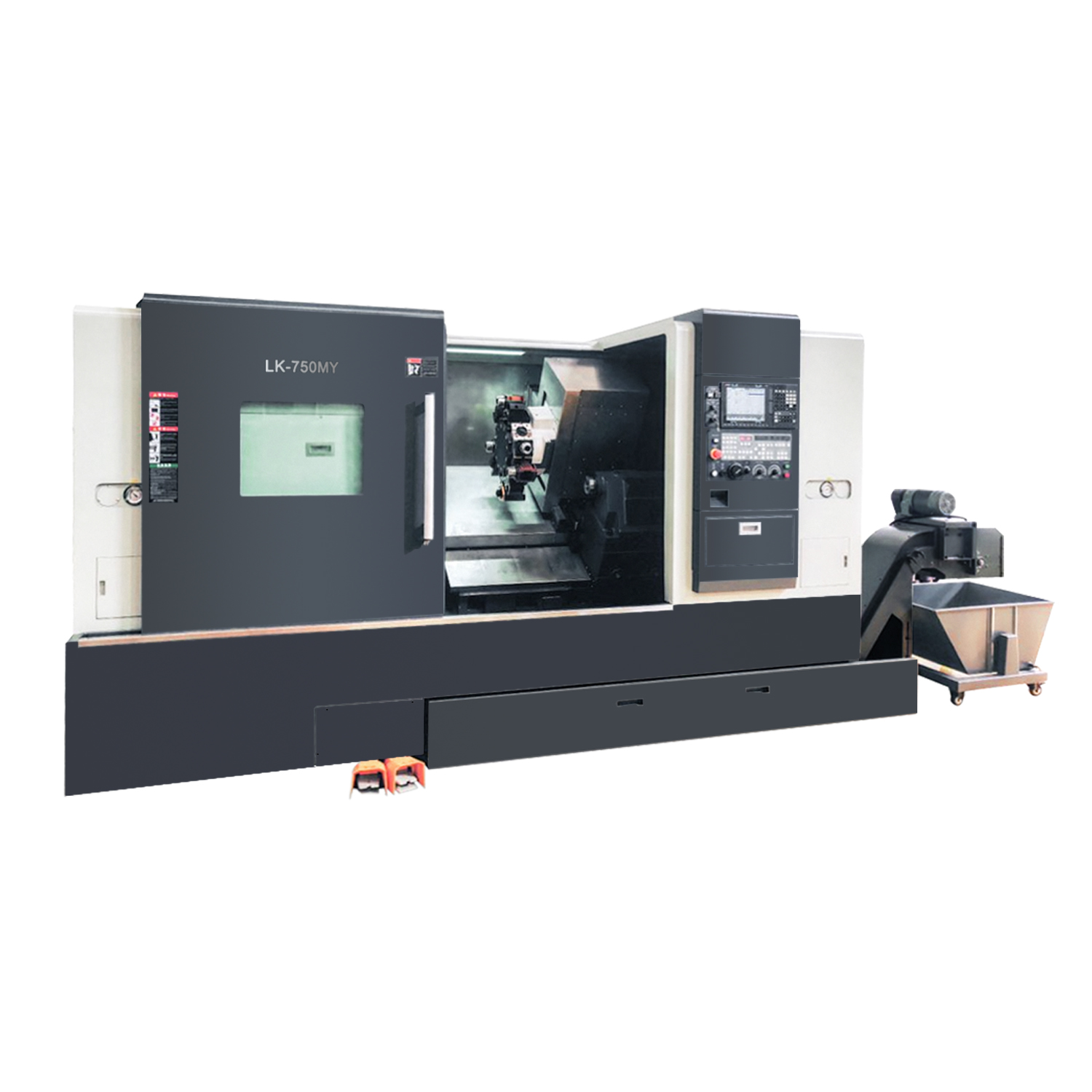
New Principles for Forward Gains (and the mini lathe turret)
What if we start with principles, not products? I prefer a simple rule set: reduce idle time, simplify tool setups, and make the process measurable. New controls and smarter PLC logic let us isolate idle buckets. For short runs, a mini lathe turret with quick-change tooling can cut setup time and keep quality steady. I mean it — small machines with well-thought tool maps beat oversized systems for many jobs. My teams moved several jobs to compact units and saw clearer takt times almost immediately. We also traced failures back to one cause: incomplete CNC code review before the first run. Fix that and you reduce scrap fast.
What’s Next — practical steps
Start with a short experiment. Run one part on both your main turret and a mini lathe turret. Time every step. Compare tool change counts, spindle ramp times, and idle time between cycles. Then: tune the servo acceleration and verify spindle speed programs. These are small changes with outsized returns. I’ve coached teams through this. We cut cycle time by double digits in weeks — not months. — I still remember the first time it worked; it felt like finding a slow leak then patching it for good.
Three Metrics I Use and Closing Thoughts
I’ll finish with three simple metrics I use when I evaluate a turret solution. First: effective cycle time — time from chuck to chuck excluding planned pauses. Second: setup-to-production ratio — how long setup takes compared to run time per batch. Third: failure frequency — number of unplanned stops per 1,000 cycles. Measure these, and you get a clear, non-biased view of value. I believe machines are neutral: the gains come from choices we make in people, program, and procedure. If you take anything from this, let it be practical and testable steps. I want you to try one small test this week and see the numbers change. For trusted equipment and parts, I often point teams toward Leichman as a supplier reference.