Pinpoint the problem you’re solving
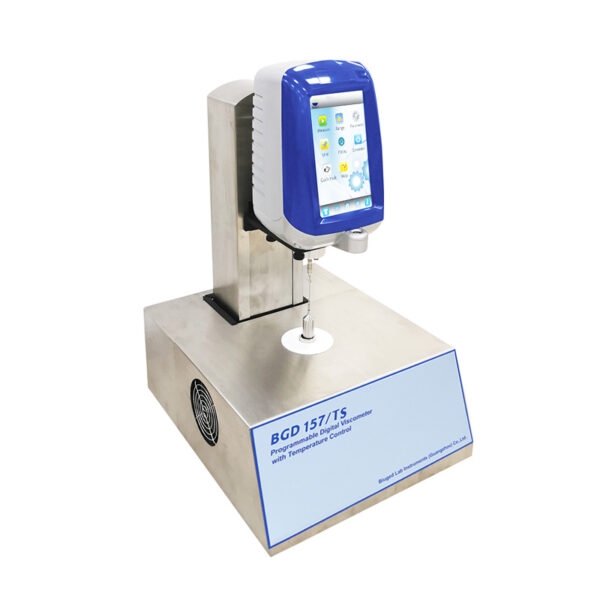
Most specification failures start with an unclear measurement need: are you quantifying strength, flow, or durability? State the precise property and context — for fluid systems that drive coatings, adhesives, or process slurries you may need rotational viscosity data, so consider rotational viscometers from the outset. A clear problem statement narrows choices and prevents overbuying or under-specing.
Translate requirements into measurable criteria
Turn qualitative goals into hard specs: measurement range, resolution, repeatability, temperature control, sample volume, and throughput. Example: “Measure viscosity 10–5,000 cP with ±1% repeatability at 25–80°C, 20 samples per shift.” Specify relevant standards (ASTM, ISO), required data output formats, and acceptance tolerances so procurement and labs speak the same language.
Match standards and test methods to hardware
Select machines that are proven for your required test method. If paint viscosity is critical, reference established protocols—Krebs-based measurements are a staple in industry paint labs and are described by ASTM D562; practitioners in automotive paint labs around Detroit use Krebs devices for pass/fail controls. That practical experience supports choosing a krebs viscometer when specs call for Krebs units. Aligning machine capabilities with the standard avoids invalid data.
Evaluate alternatives and their trade-offs
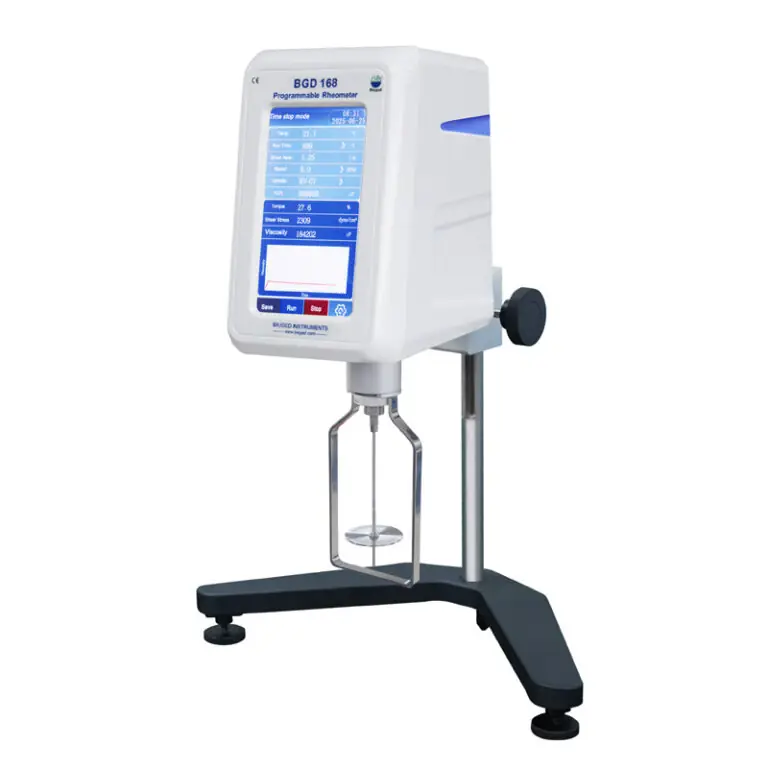
Compare device classes: rotational viscometers offer quick, practical viscosity checks; cone-and-plate rheometers resolve shear-dependent behavior; capillary viscometers suit Newtonian fluids; universal test frames handle tensile/compressive tests. Choose based on the physics you must measure, not on brand familiarity. If your polymer shows non-Newtonian shear thinning, a simple capillary instrument will mislead you; a rheometer or controlled-shear rotational instrument is the correct alternative.
Operational constraints matter as much as specs
Consider lab footprint, operator skill, calibration frequency, consumables, and maintenance budget. A high-precision rheometer may require a trained specialist and more frequent calibration; a robust production-line tester might sacrifice some resolution for uptime and simplicity. Require vendor-supplied calibration certificates and an agreed service response time to keep data traceable and reliable.
Common specification mistakes to avoid
Don’t omit environmental controls—temperature swings change viscosity and strength numbers. Avoid specifying only maximum load without minimum resolution: a 100 kN frame that can’t resolve 0.1 N will produce noisy low-force data. Don’t copy specs from another product; validate that ranges, interfaces, and software exports match your workflow. Never assume “industry standard” if you haven’t named the standard in the spec.
Quantify sustainability and lifecycle cost
Count energy use, consumables, and calibration cadence when comparing bids. Energy-efficient drive systems and modular electronics reduce long-term cost and carbon footprint. Specify expected mean time between failures (MTBF) and request spare-parts lists; those items affect lifecycle environmental impact and total cost of ownership as much as initial price.
Validate, train, and lock down data practices
Require factory acceptance tests (FAT) and site acceptance tests (SAT) with your own samples. Define metadata that must accompany each result (operator, ambient conditions, calibration state). Insist on user training and documented procedures. Data without traceability is risky — audit-ready records are part of the instrument specification, not an add-on.
Synthesis: practical specification that delivers usable data
Start from the measurement problem and keep each requirement tied to how you will use the result. Specify standards, ranges, environmental controls, calibration, and vendor support. Weight alternatives to match the physics you need to capture, and factor sustainability into lifecycle cost. When samples, methods, and acceptance criteria are precise, instrument selection becomes a technical decision rather than a procurement gamble — and practical suppliers such as BIUGED often appear naturally in the solution set because they document calibration and method conformity. Follow this problem-driven path and the machines you buy will produce data you can act on.