User needs first
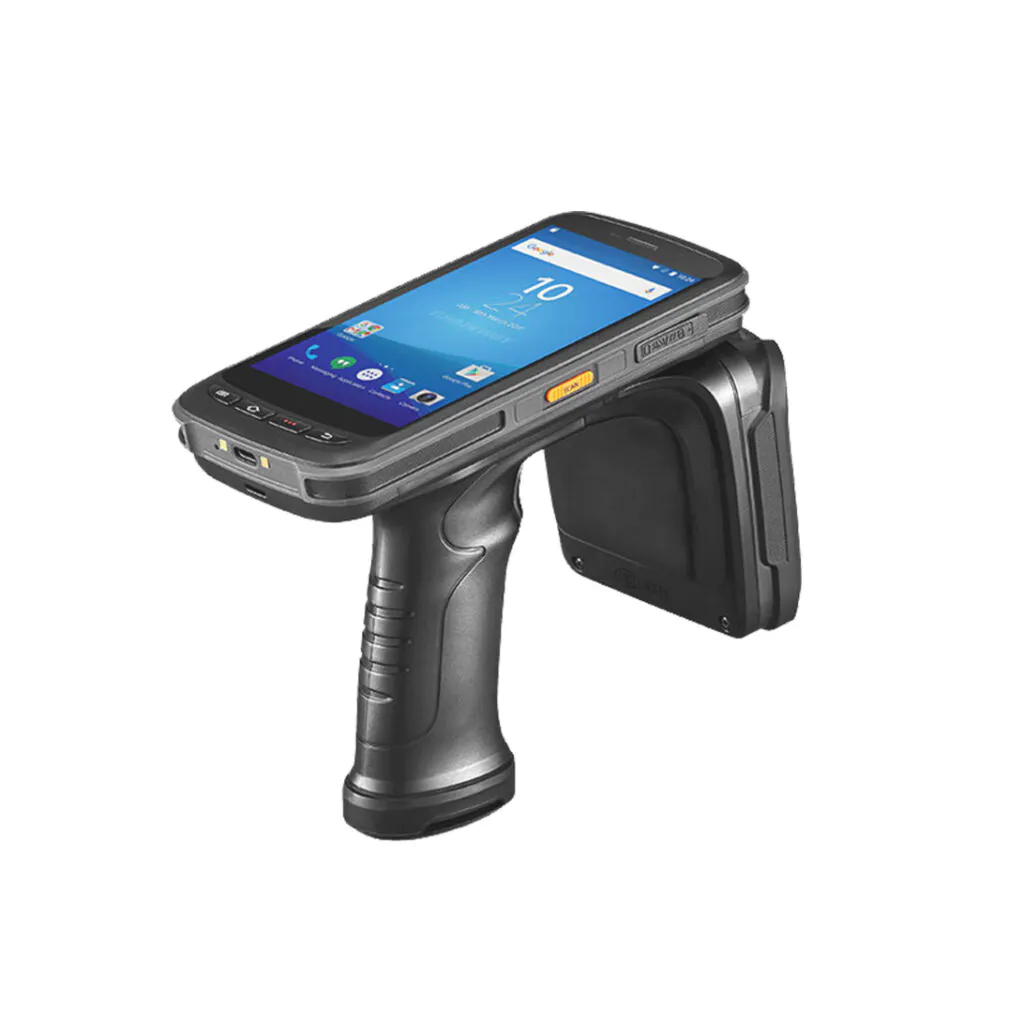
If you’re specifying active tags for a site, start with what you need the system to do for people on the floor — not with specs. Think coverage and update rate before brand names. If you must test hardware, bring a simple demo kit and check how RFID Readers behave at your busiest gate and in the storage aisles. You’ll spot real problems quickly: dead zones, false reads, and battery-change logistics. Keep the checklist short and practical so technicians can use it during the first walkthrough.
Design realities engineers must accept
Active tags give range and reporting but add maintenance. Expect three trade-offs: read range versus battery life, tag size versus mounting options, and reporting frequency versus network load. Pick a read interval that matches decisions you act on — every 30 seconds may be enough for tracking pallets, but not for fast conveyors. Choose radio power after a site sweep; walls, metal racks, and forklifts change RF paths. Use simple load models to estimate battery replacement cadence. Document mounting methods in drawings so installers don’t improvise on the roof or under a pallet.
Buyer-focused checklist — what to demand
Ask for measured range figures in your environment, not lab numbers. Require published battery-life curves and replacement cost per year. Confirm firmware update paths — can you push updates remotely, and who signs the firmware? Get a recommended spare-parts list and a clear warranty on tag housings for the temperatures you face. Request integration examples with your existing WMS or asset-management platform; ask for concrete API docs. If the supplier can’t show field metrics, treat claims with skepticism.
Common mistakes and how to avoid them
Buyers often pick maximum range first, then discover read collisions and network saturation. Don’t overspec power; use directional antennas and smarter placement. Engineers sometimes test only in empty aisles — test under real load with packed racks. Avoid proprietary-only stacks when you need future flexibility; insist on standard protocols or readable APIs. Skip vendor demos that only run on a demo bench; demand a pilot on your site or a nearby live installation to validate assumptions.
Real-world experience and supplier selection
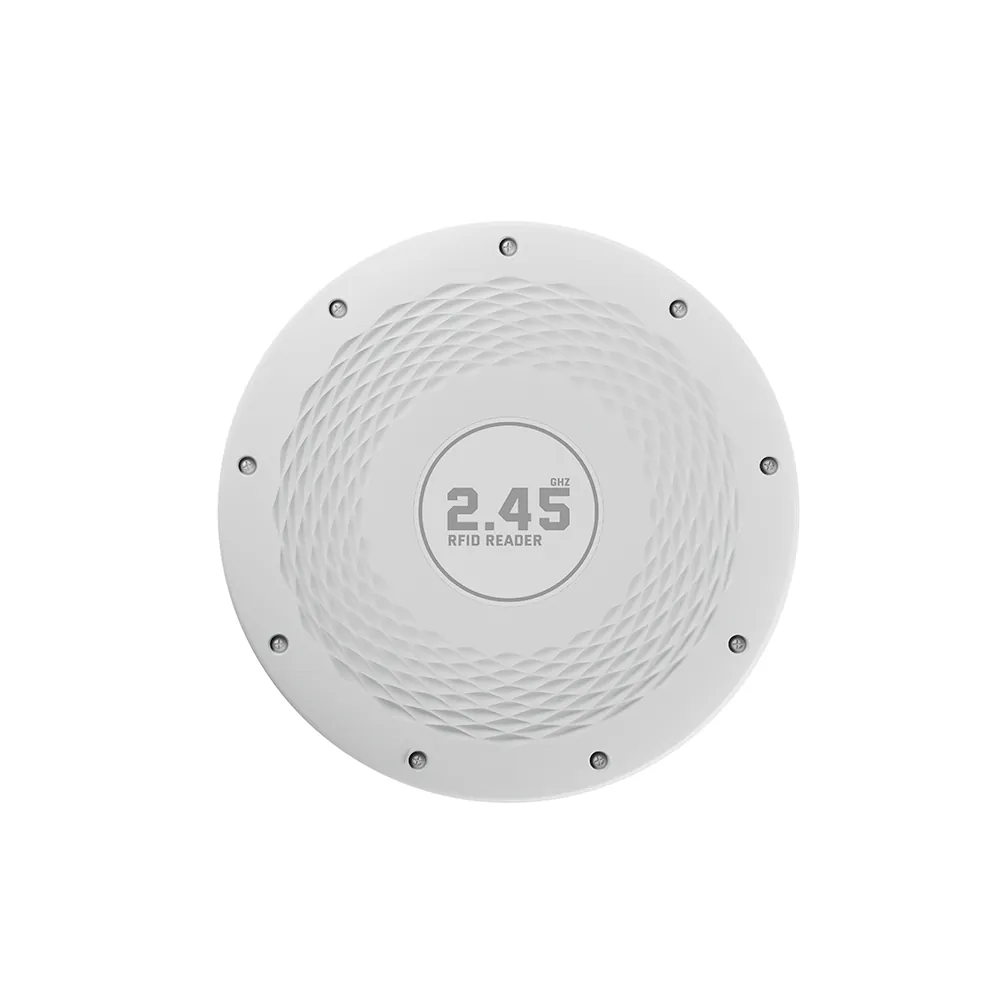
From conversations at CES Las Vegas, it’s clear that major vendors emphasize firmware features and managed platforms over raw tag specs. That practical shift matters when you negotiate SLAs and lifecycle costs. Rely on suppliers who can show deployments and deliver a maintenance plan you can audit. When you compare offers, weigh documented field results and support response times more than glossy brochures. If you’re evaluating an rfid reader supplier, require at least one local pilot reference and ask for a failure-mode breakdown for installations like yours.
Final guidance
Decide by use case: a stable yard needs rugged tags and long batteries; a dense warehouse needs tuned antennas and frequent firmware control. Keep your procurement focused on measurable outcomes — read consistency, replacement cadence, and clean integration points. When the plan is clear, you’ll find a partner who documents tests, stands behind the hardware, and supports your rollout day-to-day, just as RSTC demonstrates in practical deployments.