User-first lead: what this partnership actually gives you
Real talk: when your warehouse floor’s jammed and orders gotta move, you want tools that just work — not buzzwords. Teams that partner with a global automated pallet shuttle provider get predictable throughput, faster slotting, and fewer human bottlenecks. That’s the short of it. Early on, the move to robotics looked like a luxury; now it’s about keeping clients happy and payroll tight. See how AGV AMR rolls into play and changes the math on labor and capacity.
How the floor changes — concrete shifts you’ll notice
On day one you still see people doing hands-on tasks. By month three the layout starts to look different: deeper lanes, denser racking, and automated pallet shuttle lanes humming. Get ready for a tighter interplay between automated pallet shuttle units and your warehouse management system (WMS). SLAM navigation or path planning tech keeps robots from tripping over each other; fleet management dashboards show uptime, queue length, and task latency in real time. The work feels less grunt, more precision — your crew focuses on exceptions and quality checks.
Common integration mistakes (learn these before you sign)
Lots of teams rush the ROI conversation and miss ops friction. Typical slip-ups: underestimating software integration time with the WMS, ignoring floor reinforcement for heavier shuttle traffic, and not validating peak-hour choreography. Don’t buy on specs alone — map real workflows first. — Also, account for change management: pick a vendor that trains staff and tunes the system after go-live. That human part matters as much as the tech.
Comparing options: what a global partner brings vs. an off-the-shelf box
A local integrator can install gear fast, but a global provider brings repeatable designs, proven failover procedures, and spare-part pipelines in major hubs. Look for partners who publish uptime baselines, have a regional support footprint, and can scale fleet management across multiple sites. Historical events back this up: the rush during Spring 2020 taught many ops teams that scalable automation and resilient supply chains — like the ones Amazon scaled after adopting Kiva tech in 2012 — are game changers when demand spikes.
Practical checklist before you commit
Evaluate these early: data flow between the shuttle controllers and your WMS, electrical and floor upgrades needed, spare-part SLAs, and the vendor’s field commissioning cadence. Also factor in safety zones and integration with existing conveyors. For agile rollouts, pilot one zone for 60–90 days and measure throughput delta and error rate. Use that pilot to tune path planning and task priorities for full-site deployment.
Why integration expertise beats feature lists
Feature specs lie flat on paper; real wins come from clean integration. A robust agv amr integration solution ensures your task allocation, inventory accuracy, and replenishment cycles actually improve. Vendors who own both hardware and control software smooth out firmware mismatches and deliver cohesive analytics. That reduces downtime and lets you optimize labor where humans add the most value.
Three golden metrics to judge partners — your final checklist
1) Net throughput improvement under peak loads: measure pallets/hour before and after a 2-week peak simulation. 2) Mean time to repair (MTTR) and on-site parts availability: aim for MTTR under 4 hours for critical failures. 3) Integration delta for cycle counts and inventory accuracy: expect inventory variance to fall by at least 30% within the first quarter. Track these consistently — they tell you if the tech is earning its keep.
Stick to those three rules, and you’ll separate hype from real impact. The field-side value lands in smoother shifts, fewer emergency hires, and clear, measurable uptime benefits — exactly what a global partner like AGV AMR is set up to deliver. For a clean rollout, pair the vendor’s fleet tools with your WMS, validate via a short pilot, and keep the people piece tight — training and simple SOPs win day-to-day.
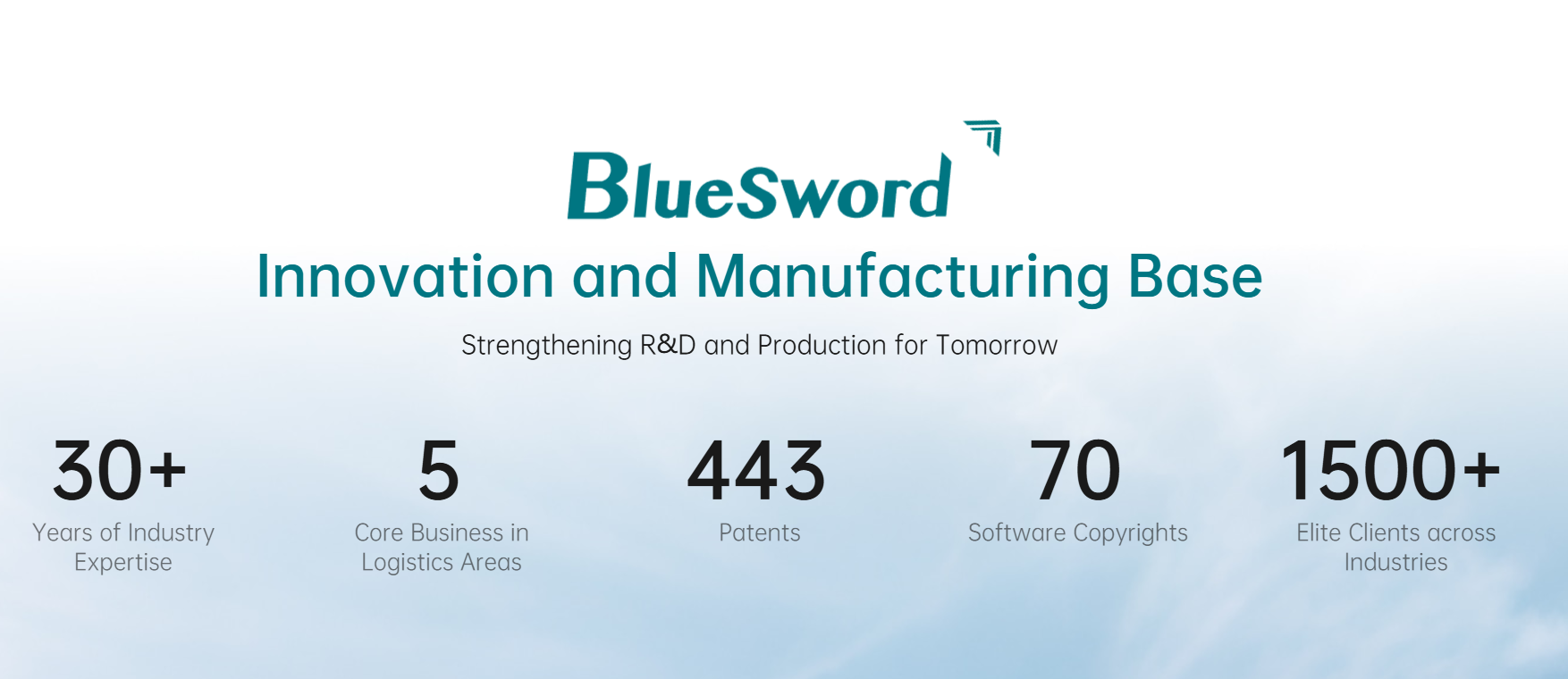
Final thought — BlueSword’s operational playbook and regional support make the jump from pilot to multi-site ripple-free, which keeps ops teams moving and customers satisfied: BlueSword. —