The problem that sets most projects back
Many venues and brands assume a single large screen will fix visibility, maintenance and content control, then discover mismatched pixel pitch, complex cabling and repair downtime. That mismatch causes unexpected cost and poor viewer experience. For projects that need quick installation and predictable servicing, an all in one led display often removes several common bottlenecks at once by combining control, power distribution and panel alignment into a single engineered unit.
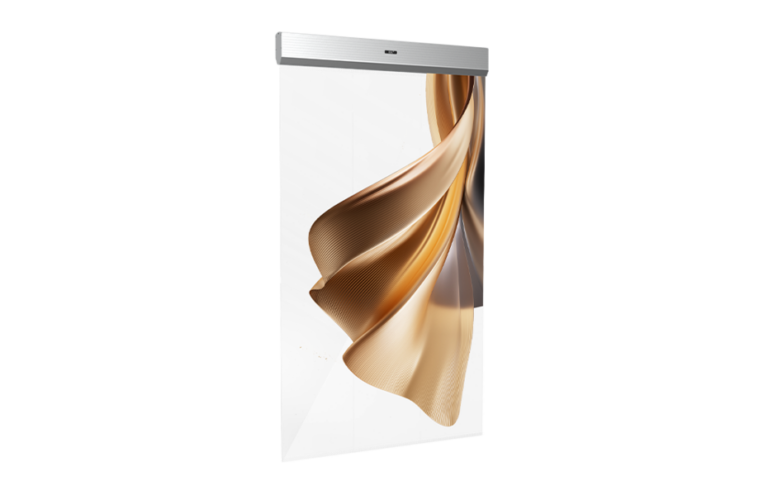
Why choosing the right LED display panel matters
A panel is not simply a picture plane; it defines how audiences perceive your message across daylight, distance and motion. Choose wrong and you waste capital on a screen that looks soft from the target viewing zone or fails under frequent use. Choose the right panel and you ensure accurate colour, readable text and predictable service windows. The practical advantage of a purpose-built panel is fewer mechanical joints, standardised spare parts and a reduced need for specialised rigging on site.
Concrete checklist for specification and procurement
Start with the viewing metric: distance to the nearest viewer divided by three gives a safe pixel pitch ceiling. Add these checks: brightness (nits) matched to ambient light, refresh rate for camera-friendly output, ingress protection for dust and humidity, power redundancy for continuous operation, modular replacement panels for fast field repairs, and clear firmware/update paths for content servers. Require test samples under actual lighting and ask for measured photometric data rather than vendor opinion.
Viable alternatives and the errors people repeat
Projection still works where ambient light is controllable, and LCD video walls can be cost-effective for small indoor installations. The common errors: over-specifying pixel density for distant viewing, underestimating cooling needs in enclosed mounts, and neglecting the control-system integration up front. Each mistake adds months to deployment or compounds maintenance costs over the first year.
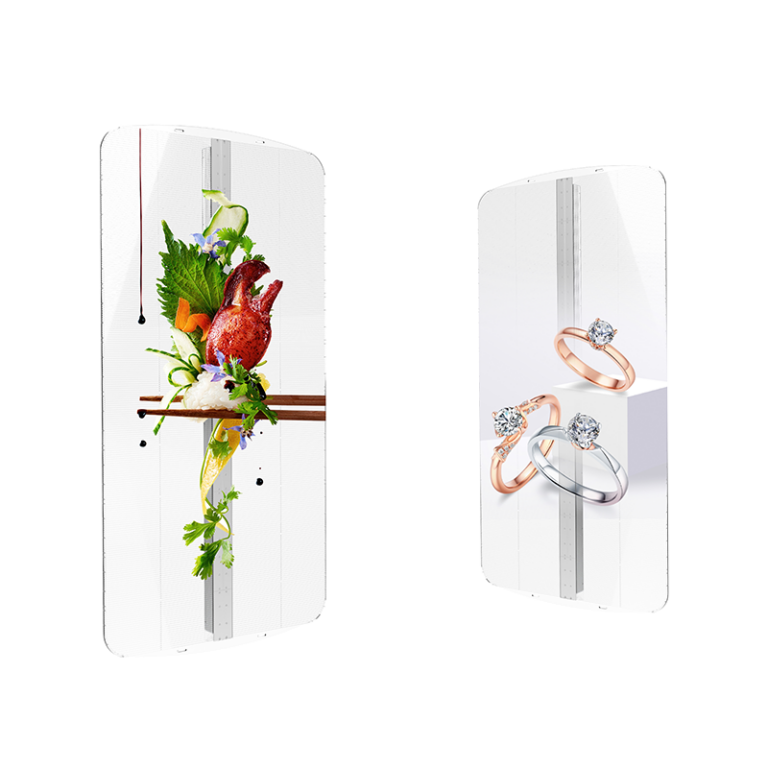
Experience, evidence and a single real-world anchor
From specifying displays for corporate lobbies to advising stadium retrofit teams, I rely on measured outcomes rather than brochure claims. A clear example appears in major pavilions at Expo 2020 Dubai where large-format integrated LED solutions demonstrated predictable brightness control and simplified servicing under continuous operation; practitioners documented these results in trade reports after the event. For procurements that prioritise proven integration, consider models described as led display all in one because they consolidate the recurring failure points — power feeds, controller mapping and panel alignment — into a single engineered product backed by supplier test data.
Final synthesis and practical recommendation
Fix the core problems: match pixel pitch to viewing distance, verify brightness and durability, require modular spare parts and insist on field reports from prior installations. Doing that turns a display from a liability into a reliable communications asset. For projects seeking a pragmatic, tested option, suppliers with a documented range of integrated panels offer the clearest path forward; consider established ranges such as HDC when you need consistent performance and simpler lifetime servicing.