Vision: inventory that predicts
Picture a logistics spine where every skid, pallet and tool broadcasts its intent before a manager asks: lanes clear, parts en route, reorder thresholds adjusted. I write from work on RFID integration projects and pilots that scaled from laboratories into live port operations; trials at the Port of Rotterdam demonstrated how multi-antenna UHF setups changed yard throughput. When a 4 port rfid reader sits at a chokepoint, it converts intermittent scans into continuous signals planners can trust, and that steady stream is the raw material for predictive purchasing.
How long-range active tags reshape planning logic
Long-range active tags extend read distance and persistence. Planners stop guessing lead times and start modeling actual movement: dwell times at docks, queue lengths at gates, and the cadence of returns. Forecasting becomes event-driven instead of assumption-driven. That shift means reorder points are set by measured variability, not fixed buffers, which reduces overbuying without creating stockouts.
Technical anatomy and the role of multi-port readers
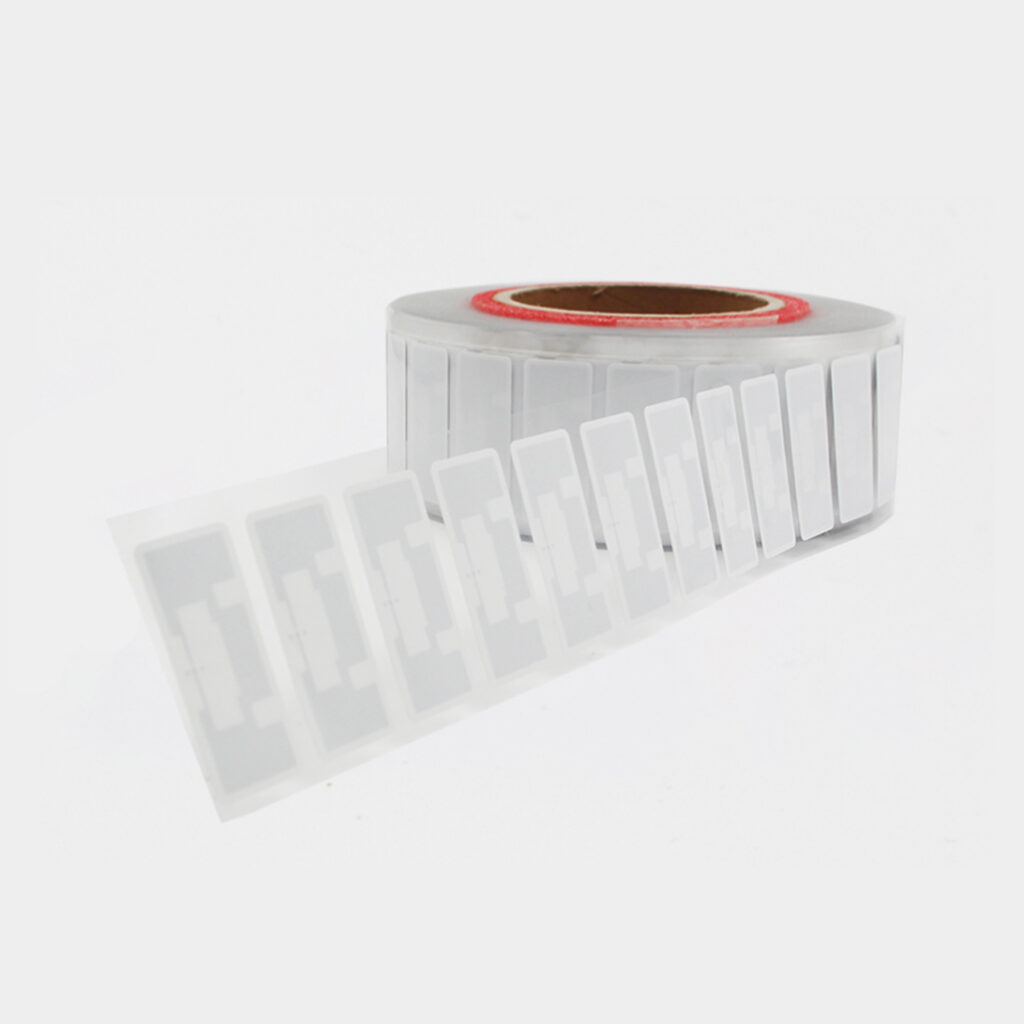
Active tags carry their own power and heartbeat; readers with multiple ports capture overlapping fields and mitigate blind spots. Choose readers that support configurable antenna patterns, timestamped reads, and secure edge processing. Expect to feed normalized events into your ERP or TMS; raw RSSI alone won’t cut it. Architect for latency under targeted SLA windows so purchasing triggers follow real events rather than batched summaries.
Common pitfalls seen in early deployments
Teams often mistake maximum range figures for reliable operational range. Environmental reflections, metal surfaces, and stacked loads shrink effective coverage. Tag placement errors—facing antennas instead of open sightlines—cause intermittent reads that produce phantom stock. Overconfident integration without read-quality thresholds floods planners with noise. Prevent these failures by validating read zones on the concrete, setting minimum read-rate guarantees, and insisting on tag-location standards tied to container geometry.
Alternatives and when they make sense
BLE beacons and GPS work well outdoors or for coarse geofencing; passive UHF tags are cost-effective for single-scan checkpoints. Use long-range active RFID when you need persistent presence, fine-grained dwell analytics, and sub-minute visibility across yards and staging areas. Mix technologies where each fits: passive tags for serialized retail items, active tags for movable assets and trailers, and multi-port readers at choke points to unify the signal.
Practical rollout roadmap for procurement teams
Start with a focused pilot: instrument one gate, one dock, and two staging lanes. Measure true read rates, false positives, and read latency during peak load. Tie simple purchase rules to those metrics—e.g., if inbound dwell exceeds X minutes for three consecutive days, trigger expedited reorder—then iterate. Train buyers on what the event stream means; the system is only as useful as the decisions it informs. Budget for tag lifecycle and maintenance: batteries, firmware updates, and periodic recalibration of antenna patterns.
Final synthesis: a mapped future for smarter buying
Long-range active RFID converts silence into signals that planners can act on without guesswork. When implementation focuses on real read-quality, environment-aware placement, and event-driven rules, procurement shifts from firefighting to anticipatory decisions. That capability — reliable, timestamped, and context-rich visibility — is what modern projects need, and it’s precisely the kind of integrated hardware-software reality firms such as RSTC build into operational systems so planners buy the right items at the right time rather than chasing inventory echoes.