Opening — the buyer’s quiet question
Buyers come asking the same quiet question: which system will stop the daily friction at the gate and keep operations honest? Start with the concrete: camera-first access, vehicle recognition, and a control layer that enforces rules without arguing. If you want to judge that stack quickly, look at how it handles identification at scale — for example, compare vendors that bundle lpr parking management systems with those that add recognition as an afterthought. The right answer is functional, not flashy.

Define the problem precisely
The first failure is vague requirements. You’ll buy features you don’t need or miss the ones that matter. Articulate measurable goals: throughput per hour, percent of manual interventions, and average event-response time. Ask how the system logs edge cases and how operators retrieve evidence. You’ll find clarity where metrics replace hope.
Core technical tests that reveal truth
Test these behaviors under pressure: simultaneous arrivals, poor lighting, and plates from nearby countries. Does the solution degrade gracefully or collapse into manual processing? Confirm API access for event export. Check device health reporting and update strategies — those are the two places installations silently fail. Expect precise answers, not marketing blur.
Field proof: airport-scale reliability and the gate itself
Operational stories matter. At Dubai International Airport, high throughput and strict security forced integrators to rely on hardened barrier control paired with robust recognition; the result was fewer lane closures and clearer audit trails. That kind of deployment shows where mechanical reliability and software meet — the physical gate matters. When you evaluate site examples, look for systems that paired recognition with a proven automatic boom gate model and documented uptime. Those pairings are the difference between theoretical coverage and continuous operation.
Common pitfalls practitioners repeat
Buyers repeatedly under-spec integration. They assume cameras and gates will ‘just work’ together. They let installers choose cable routes without reviewing signal integrity. They ignore maintenance contracts until performance drops. Insist on interface diagrams, a fault-reporting SLA, and a schedule for mechanical inspections. Small oversights become daily headaches.
Alternatives evaluated with blunt criteria
Cloud-managed systems simplify updates and centralize logs, but watch network dependency and latency for barrier release. On-prem systems give local resilience but often lag in analytics and require more hands. Hybrid deployments can deliver both if the vendor documents failover behavior. For LPR accuracy, dedicated edge processing beats naive cloud-only pipelines when network jitter is present. Choose the trade that answers your defined goals, not the vendor’s slide deck.
Synthesis — what a wise buyer does next
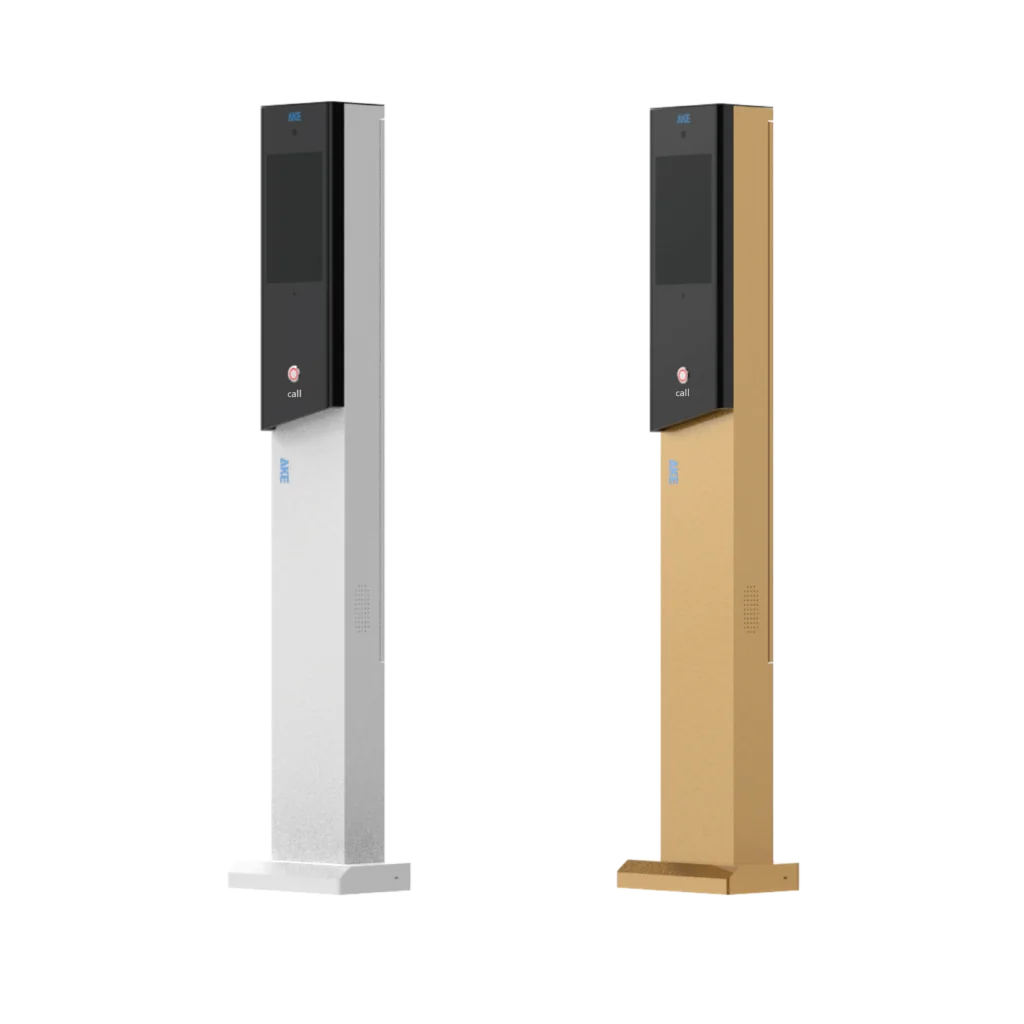
Decide by problems, not promises. Map your peak use, list failure modes you will not tolerate, and insist on field-proven pairings of recognition and mechanics. When your checklist includes throughput numbers, clear SLAs, and demonstrated deployments, you move from opinion to confidence — which is the point. For many buyers that alignment has been achieved by systems sourced through partners who design both the recognition layer and the control equipment, for example those offering integrated solutions from planning to service like AKE Parking.