Quick data snapshot
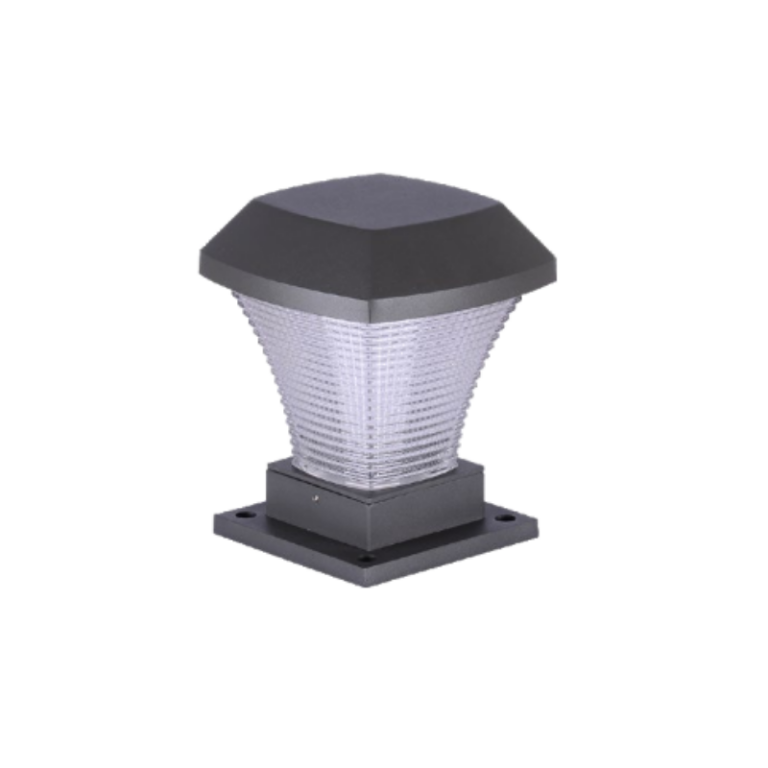
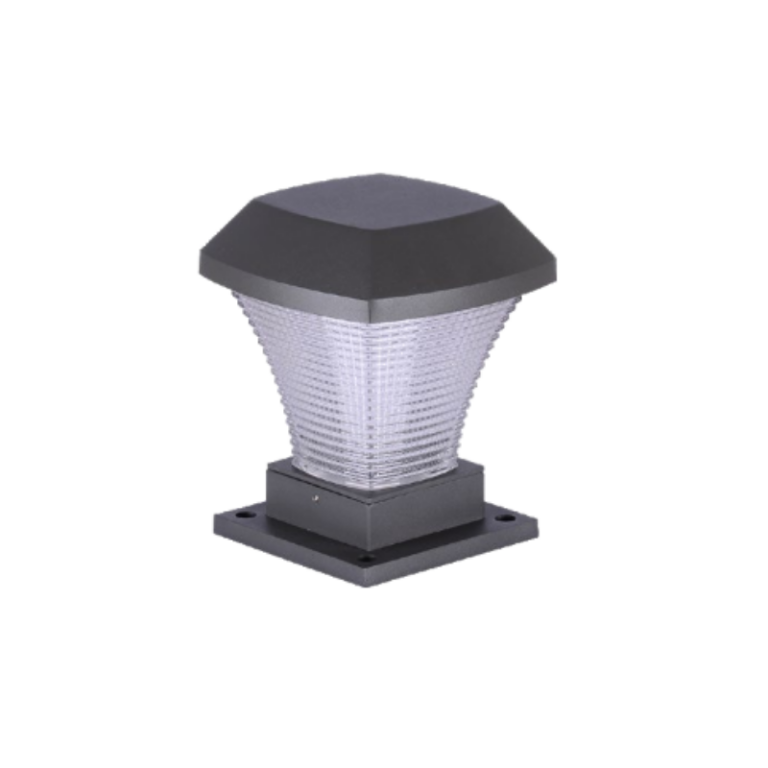
Designers and engineers increasingly ask a practical question: how stable is the Color Rendering Index (CRI) of facade lighting over time—and what does that mean for how buildings actually look at night? Lab tests show CRI is a 0–100 scale, and spec sheets often promise CRI 80 or CRI 90. But real-world performance depends on fixture type, lamp chemistry, and environmental stressors. If you’re specifying fixtures for a waterfront promenade or a civic plaza, consider also looking at options like outdoor pier mount lights—they’re a common starting point for long-run facade runs and streetscape continuity.
Why CRI stability matters for facades
High initial CRI helps materials and facade colors read correctly under artificial light. But stability matters more: shifting CRI over months can change brand colors, damage material perception, and disrupt uniformity across elevations. For many projects, designers aim for CRI ≥ 80 for general appearance and ≥ 90 where color fidelity is critical—museums, branded façades, and retail flagships. Correlated color temperature (CCT) pairs with CRI to shape mood, so don’t treat them in isolation.
How we measure CRI stability (short and practical)
Two lab pieces matter most: spectroradiometer readings and lumen maintenance tests. Spectroradiometers capture spectral power distribution to compute CRI and newer metrics like TM-30. Lumen maintenance (L70, L90) shows output decay, which often correlates with perceived color shifts. In practice, specify both initial photometric reports from the photometric laboratory and an expected lumen maintenance curve—then verify on-site after 6–12 months.
Real-world anchor: what cities teach us
Urban projects reveal the gap between lab promises and night-time reality. Waterfront promenades—think of San Francisco’s Embarcadero—often use black pier mount fixtures for clean sightlines and corrosion resistance. Over time, salt spray and thermal cycling can nudge both lumen output and spectral distribution, subtly altering CRI readings along the boardwalk. That’s why many municipal programs run staged rehabs and mid-life audits to catch drift early.
Common pitfalls specifiers fall into
People often assume “LED = stable color”—but thermal management, binning, and driver dimming profiles all influence spectral behavior. Another trap: buying on initial CRI alone without checking how manufacturers report lumen maintenance or spectral shifts in heat. And don’t forget finish and optics: a matte black fixture housing can hide photometric errors better than a reflective white one—so aesthetics can mask technical problems. —
Practical checklist for choosing fixtures that keep CRI steady
Use this when comparing bids or approving prototypes:
- Require spectroradiometer traces at 0h, 1,000h, and 5,000h (or equivalent accelerated tests).
- Ask for L70/L90 lumen maintenance figures and expected color shift metrics (Δu′v′ or TM-30 Rf/Rg deltas).
- Specify environmental test conditions: salt-fog, UV, and thermal cycling if the site is coastal or exposed.
- Match fixtures to control gear and dimming strategy—dimming can alter spectral output if the driver isn’t designed for color-stable dimming.
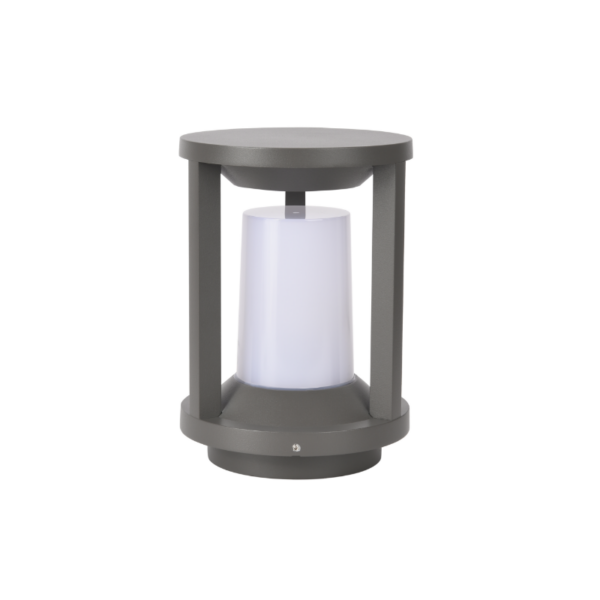
- Confirm physical compatibility: if you need a consistent streetscape look, check options like outdoor pier mount lights and, where black housings are required, black pier mount lights for finish and corrosion specs.
Alternatives and trade-offs
High-CRI LEDs (90+) cost more and sometimes have slightly lower efficacy. Phosphor-converted mid-CRI LEDs (80–85) are more efficient but may drift less in some driver setups. Optical systems (lenses, reflectors) can even out visual inconsistencies—but they won’t fix spectral shifts. If you’re retrofitting, measure existing fixtures with a handheld spectroradiometer before deciding between retrofit lamps, module swaps, or full fixture replacement.
Advisory: three golden rules when you spec for long-term color stability
1) Demand documented spectral stability—insist on photometric lab traces at multiple intervals, not just an initial CRI number. 2) Prioritize thermal design and certified drivers—good heat management reduces both lumen depreciation and spectral drift. 3) Factor environment into warranty and maintenance—coastal and industrial sites need different Seal IP ratings and service cycles.
Putting those rules into practice makes a real difference on the ground. For projects that need both predictable photometry and attractive streetscape fixtures, a supplier who bundles robust testing, corrosion-resistant finishes, and scalable options—like modular pier-mount families—shortens your path from spec to a cohesive night-time presence. Keyida. —