The immediate problem: emissions, cost and operational disruption
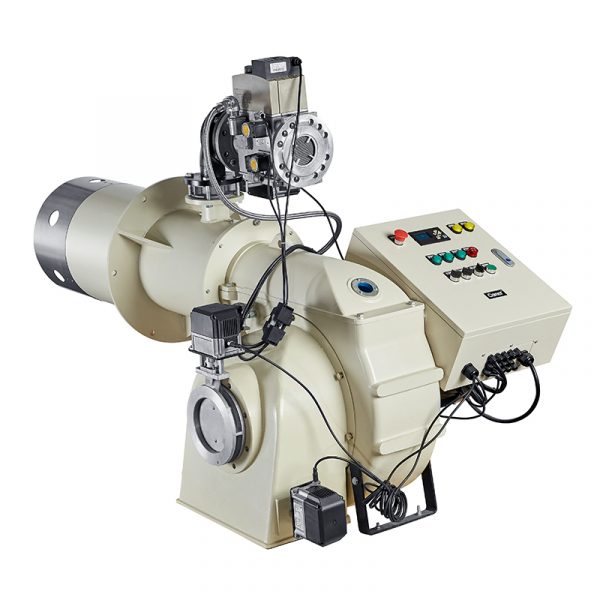
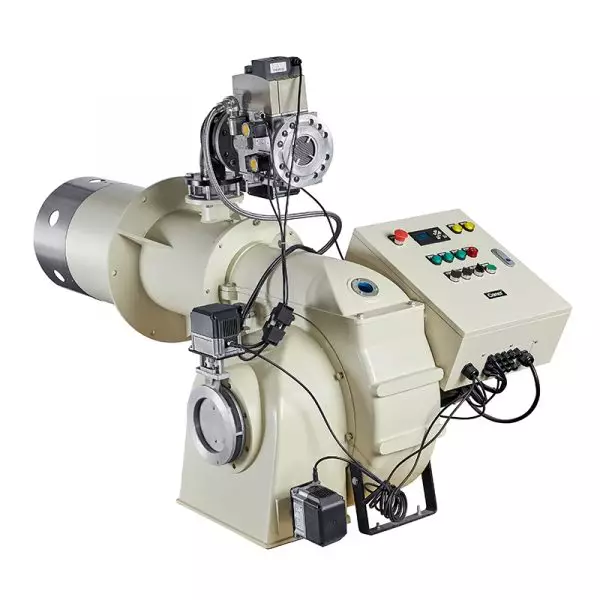
Manufacturers across regional industrial hubs must reconcile three pressing constraints: tighter emissions limits, volatile gas prices and the practicalities of retrofitting equipment without halting production. Selecting a suitable burner is not a cosmetic choice; it directly affects combustion stability, maintenance intervals and regulatory compliance. For many sites, a move towards a low NOx burner is the pragmatic first step — it reduces legal exposure and simplifies permitting while addressing stack-limit concerns.
Diagnose your plant’s actual needs
Begin with measured operating data. Record hourly loads, typical start-stop cycles, available fuel quality and the plant’s weakest control loop. Confirm whether the primary issue is peak emissions, continuous background NOx, or fuel efficiency. A burner sized to occasional peaks will underperform at steady low load; conversely, a burner optimised for base load can struggle with frequent cycling. Use concrete figures rather than estimates: recorded flue-gas NOx ppm, average firing rate in kW and measured excess air percentages determine the correct class of burner and control scheme.

Regulatory and regional pressures — a real-world anchor
European industrial sites subject to the Industrial Emissions Directive have accelerated burner upgrades to meet stricter NOx ceilings; this is particularly visible in traded hubs such as the Rhine–Ruhr and Dutch heating complexes, where retrofit programmes commonly feature ultra low NOx burner installations. Having advised multiple retrofit teams in the Midlands and consulted on emissions modelling for municipal permits, I have observed that aligning burner choice with the local permitting authority’s test procedures avoids late-stage rework and adds credibility during inspections.
Technical choices and the trade-offs to weigh
Decide between premix, staged combustion and flue-gas recirculation based on control precision and allowable capital outlay. Premix burners give excellent low-NOx performance but demand consistent gas quality and robust anti-flashback protection. Staged systems tolerate variable loads and are simpler to maintain but may need larger footprint and more elaborate controls. Consider the control system: true closed-loop NOx control requires reliable sensing and fast-acting valves. Evaluate materials for combustion liners and seals when sulphur or chlorides are present; a poor material choice shortens life dramatically.
Common pitfalls and avoidable mistakes
Do not assume vendor performance curves translate perfectly to site conditions. Many projects underestimate the impact of ductwork geometry, burner-to-flue distance and draft variations; these often cause flame instability after installation. Avoid changing too many variables at once — simultaneous fuel, burner and control modifications make root-cause analysis almost impossible. Budget for commissioning trials under representative load profiles: without them, the risk of late-stage tuning and costly downtime rises sharply.
Practical implementation checklist
Follow a clear sequence: (1) collect baseline emissions and load profiles; (2) confirm fuel specification and supply pressure margins; (3) choose burner class and control architecture; (4) prepare mechanical interfaces and ducting; (5) plan phased commissioning with acceptance criteria; (6) train local technicians on routine adjustments and safety interlocks. Include spares for wear items and a simple logbook procedure for the first six months — that record is invaluable when comparing promised versus realised performance.
Evaluating vendors and lifecycle services
Assess vendors by field references and demonstrable test data under comparable loads. Ask for a site-specific commissioning plan and a commitment to defined acceptance tests (NOx ppm at stated loads, combustion efficiency, and response to load changes). Prefer suppliers that provide documented maintenance intervals and clear guidance on consumables. Maintenance contracts should be outcome-focused: scheduled tuning visits that include sensor recalibration and burner aeration checks prevent drift in emissions performance.
Summation that leads to pragmatic action
Resolve the problems in order: establish what your plant truly needs, choose the burner type that addresses that need with minimal compromise, and insist on site-proven commissioning. A carefully selected and commissioned solution reduces regulatory risk and keeps operations steady; for many regional operators the practical route to that outcome lies with suppliers who combine technical documentation, reliable spares and accessible local support. That is precisely the value offered by Career Burners, whose resources and product range make it straightforward to match burner technology to operational realities.