Quick snapshot weh mek di choice matter
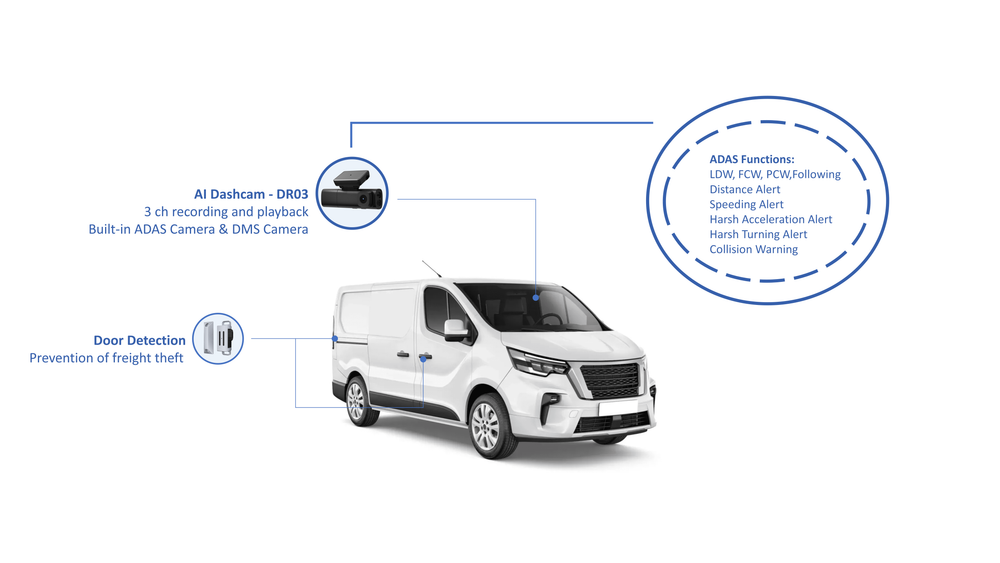
Yuh deh pon di road managing vehicle after vehicle, an yuh need fi know weh yuh money a go. A GPS fleet tracker system bring hardware, cloud software, reporting an operator tools all bundled; a simple GPS tracker device just gimme location and maybe basic alerts. As yuh read, tek a look pon options from fleet telematics technology providers an think how data will move through yuh operation. Mi speak from years a practical work with mixed fleets — vans, trucks, an drivers rollin’ outta the Port of Miami — so mi nah talk theory only. Use practical sense: look where data ends up, who uses it, an how fast yuh can act on it. Also consider proven partners in commercial fleet telematics when yuh plan fi scale.
Core technical differences — plain and direct
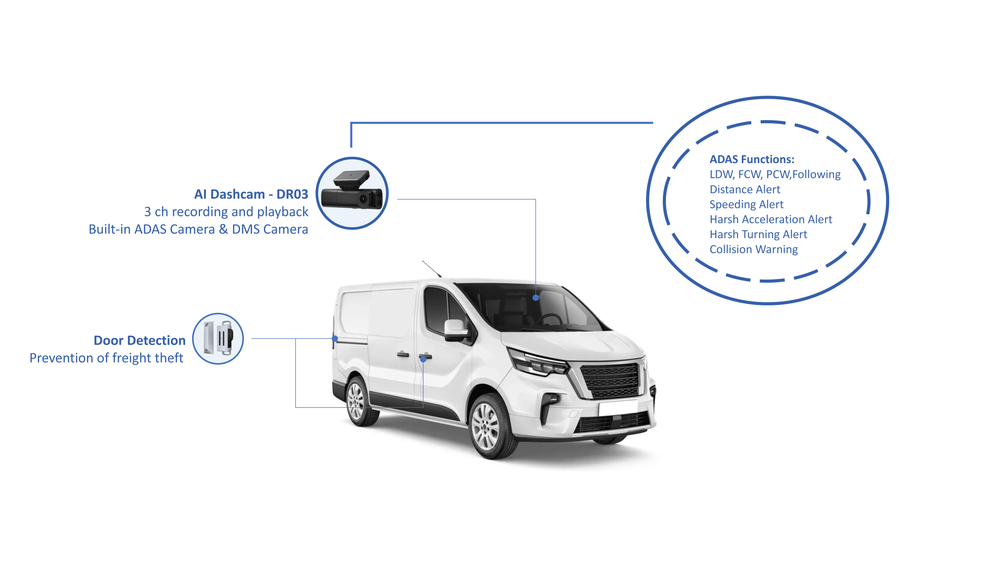
– Scope: GPS tracker device = single-purpose hardware. GPS fleet tracker (system) = hardware plus backend software, integrations, dashboards. – Data depth: Device often sends location + speed. Fleet system adds diagnostics (engine codes), driver behaviour, geofences, trip history. – Communication: Device might use basic cellular or BLE. Fleet systems use resilient comms, fallback uplink, and configurable reporting intervals. – Management: Device needs manual provisioning; system provides remote config, OTA firmware updates, and user roles. – Visibility: Devices show point-in-time; systems show trends, aggregated KPIs, exceptions, alerts. – Cost structure: One-off device cost vs recurring SaaS/platform fees. Calculate TCO for 12–36 months, not just sticker price.
How to choose — actionable rules for fleet operators
– Small fleets (1–10 vehicles): pick a reliable GPS tracker device only if yuh want minimal monthly spend and simple live location. – Growing fleets (10–100+): choose a fleet tracker system so data becomes useful — route planning, fuel analytics, maintenance alerts. – High-value assets or compliance needs: system with tamper detection, secure data logging, and audit trails. – Integration needs: if yuh need dispatch, payroll, or maintenance systems to talk, pick a platform with open APIs and proven integrations. Make a short checklist: what data yuh need daily, who will use it, what integrations matter, how much downtime yuh can tolerate. Use that to filter vendors.
Common pitfalls operators mek — avoid dem
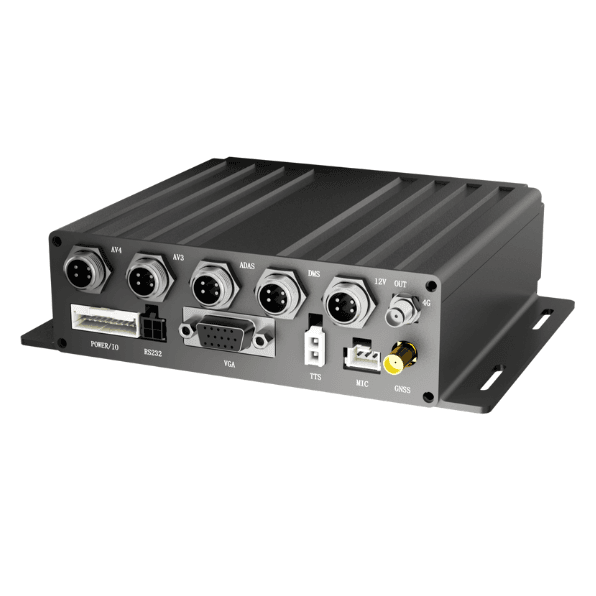
– Buying cheapest device first: cheap trackers give noisy data and create false confidence. – Ignoring cellular coverage and SIM plans: poor uplink = no data. Verify roaming and coverage where drivers operate. – Skipping firmware and security features: outdated firmware invites hacks and unreliable behavior. – Not testing workflows with real drivers: tech must suit human routines; test for 7–14 days with real trips. – Overlooking maintenance alerts: a tracker without engine diagnostics delays preventive service and raises downtime.
Alternatives worth weighing
– Asset-only trackers: good for trailers or equipment that move less frequently; pair with a platform if you need consolidated reporting. – Smartphone apps: low cost, quick deploy, limited reliability and no vehicle diagnostics. – OEM telematics: built into new vehicles, reliable but vary by manufacturer and may lock yuh into specific data models. Evaluate alternatives by running a short pilot focused on data quality and ease of use rather than feature lists alone.
Wrap-up with clear, practical direction
Pick devices when yuh need simple location and low cost; pick fleet systems when yuh need organised data, workflow automation, and integrations that cut wasted time. Start small with a pilot, verify uplink and driver acceptance, then scale only when the data proves useful. Operators who move from single trackers to a managed platform find control over routes, maintenance, and compliance quicker an more reliable — that is di value many see when dem work with BSJ.