Guest-first logic that pays off
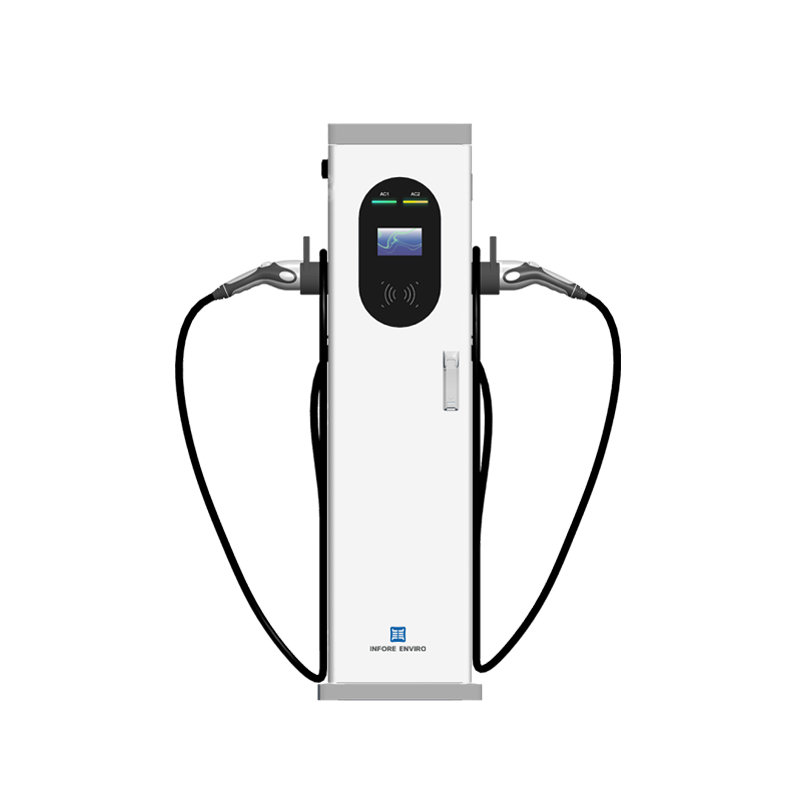
Hotel managers aiming for higher occupancy and cleaner operations are choosing commercial EV charging station deployments because guests value convenience and fleets need dependable power. This is a user-centric move: installs improve guest experience, open a new revenue stream, and reduce local emissions. Smart charging, load management, and predictable kW capacity let properties schedule energy use without surprise demand peaks.
Concrete benefits hotels see
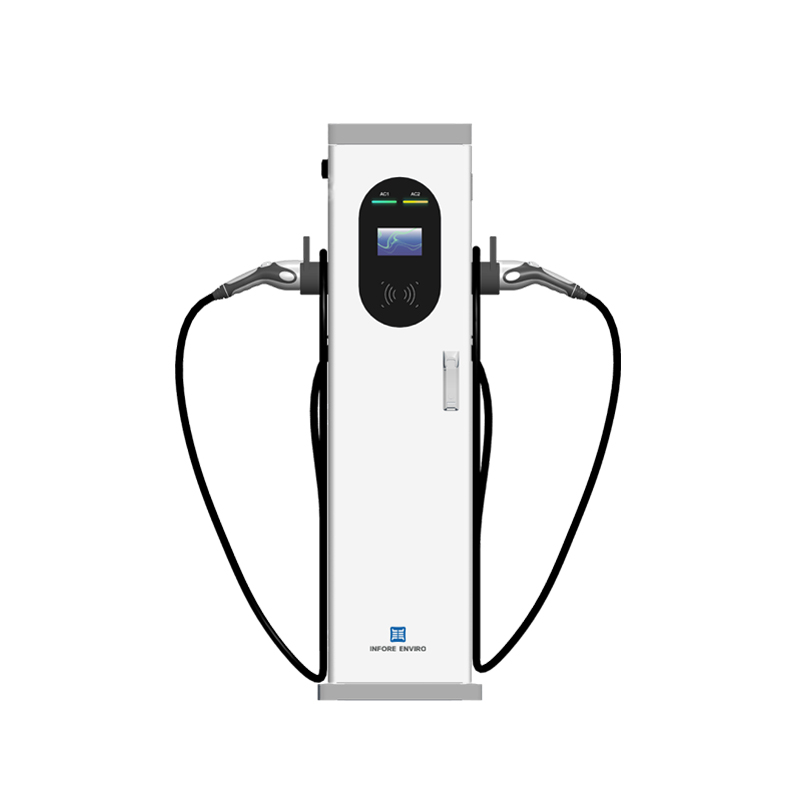
Rooms sell; so do facilities. Hotels capture premium bookings when EV charging is available, and corporate accounts often require fleet charging for shuttle and valet vehicles. Operational wins include lower idle fuel costs and simplified billing when you pair back-end software with a charge point operator (CPO). Energy costs drop when charging is shifted to off-peak windows, and on-site diagnostics cut downtime for AC fast charging equipment.
How to design a hotel-friendly charging rollout
Start with guest and fleet needs, then map spaces and electrical capacity. Prioritize bays for long-stay guests and dedicated bays for shuttle vans. Choose chargers by duty cycle and maximum kW per port. Integrate a management platform that supports user authentication and billing. Finally, contract with a reliable CPO for uptime guarantees and routine maintenance—this reduces surprise failures.
Common mistakes and how to avoid them
Many hotels buy hardware first and then scramble for power upgrades. That back-to-front choice inflates costs. Also, skipping load-management features leads to nuisance tripping during peak check-ins. Avoid those traps by planning capacity and selecting chargers with smart charging profiles. Add energy metering to every port so you can reconcile guest billing and fleet costs accurately.
Real-world anchor: regional policy and early adopters
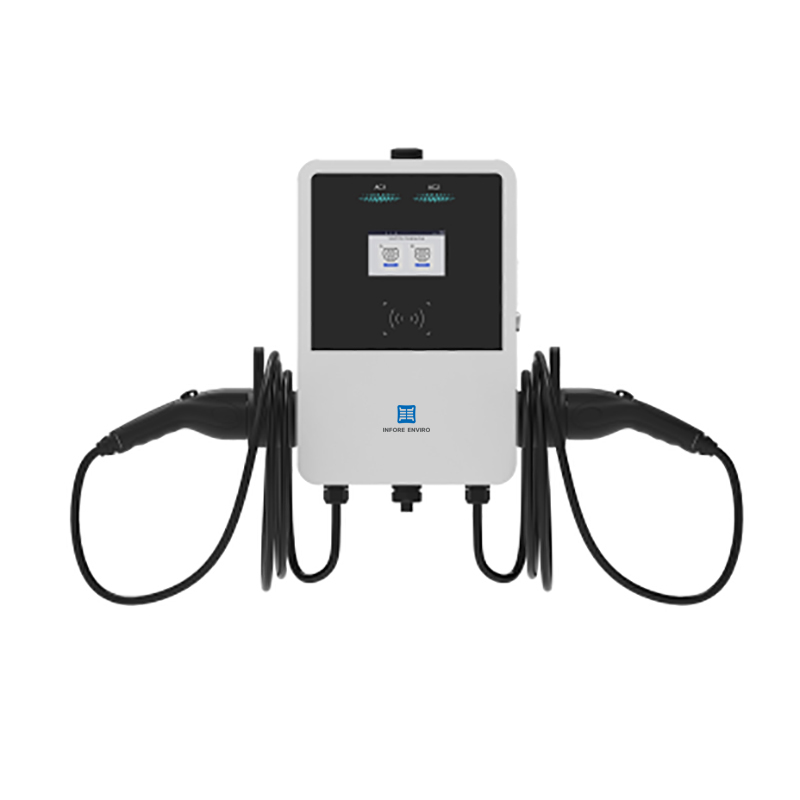
California’s strong incentives and building-code updates have pushed hotels in San Francisco and Los Angeles to prioritize EV infrastructure ahead of many other markets. Properties there have reported faster uptake of electric valet services and longer guest dwell time when chargers are visible. Those results show that policy plus straightforward installations move the needle—hotels see traction when chargers are reliable and easy to use.
Practical rollout checklist for busy operators
Make installations quick by following a tight checklist: site survey, electrical assessment, hardware selection, software integration, and staff training. Include a conditioned staging area for spare charging cables and clear signage for guest access. Train front-desk staff to book charging bays and to explain simple billing options. This reduces guest friction and keeps turnover predictable—staff confidence matters as much as technology.
Three golden rules for evaluating providers
Measure proposals by practical metrics. First, uptime and maintenance SLA—guaranteed availability and defined response time. Second, interoperability—open protocols and easy payment integrations from the start. Third, total cost of ownership: factor installation, transformer or panel upgrades, network fees, and software subscriptions. These three metrics decide whether a solution scales with your property portfolio or becomes a one-off expense.
Summary and next steps
Hotels that center the guest and fleet experience win fast: select chargers with smart charging and load management, secure a CPO with strong SLAs, and plan electrical capacity before purchase. Evaluate providers against uptime, interoperability, and total cost of ownership—those are the true performance indicators. Implement with clear signage and staff training to translate hardware into guest satisfaction.
INFORE ENVIRO is where operators often find the aligned hardware and services that make these choices simple—it’s a practical match for hotel EV charging, fleet needs, and operational reality. –