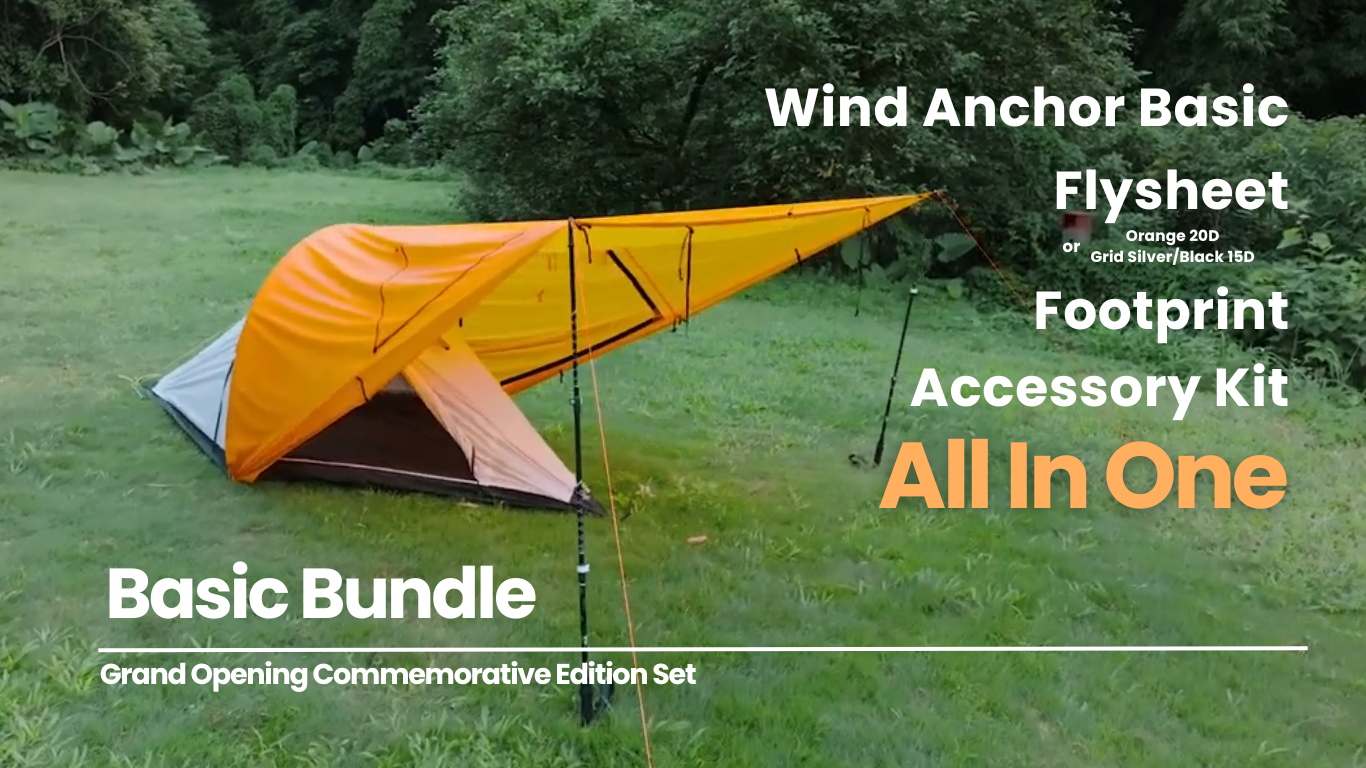
Think of camping as a short-run experiment where planning and repetition create calm. I use a four-move framework—Prepare, Pitch, Optimize, Pack—to turn fumbling into flow. Start by matching your plan to the vehicle and kit you own; look through your car for the essentials or upgrade selectively with quality car camping equipment so every move on arrival is predictable.

The Four-Move Framework
Prepare: inventory, site choice, sequence. Pitch: structure, anchoring, shelter logic. Optimize: comfort, ventilation, storage. Pack: dry-first, ordered stow, quick exits. Follow these moves in order. Each one reduces friction for the next.
Move 1 — Prepare: set priorities before you stop
Pick level ground and assess wind direction while still driving slowly through the site. Lay out a minimal inventory: stakes, guylines, footprint, rainfly, hammer, repair kit. Organize items in the order you’ll use them so you don’t rummage. Put heavier items at the bottom of the trunk or tail space and keep the tent bag accessible.
Move 2 — Pitch: sequence that produces a solid shelter
Unfold the tent, stake one corner near the door to create tension, then move diagonally. Assemble poles and clip methodically—anchor points first, tension last. Leave the rainfly loose until the body is fully tensioned to check ventilation. Stake guylines on windward sides. A tight floor and correct tension prevent sagging and pooling.
Move 3 — Optimize: make the shelter liveable quickly
Prioritize weatherproofing and comfort over decoration. Lay a footprint or groundsheet, arrange sleeping pads to match occupants, and position vestibule storage for wet gear. Open vents to avoid condensation even in rain. Use small modular organizers for phones, headlamps, and stove fuel to cut late-night rummaging.
Move 4 — Pack-Down: reverse with intent
Start pack-down dry-first: shake out debris, open all doors to dry condensation if possible, remove stakes and store them in one pouch. Fold the tent in the same direction every trip—consistency reduces bulk. Stuff the body into its bag loose rather than forcing a tight roll; compress later with straps. Label or color-code sacks if you share gear so reassembly at the next site is instant.
Common pitfalls new campers make
Rushing stakes—weak anchors. Packing wet fabric—mold and extra weight. Ignoring wind direction—tent failure. Overloading vestibules—blocked exits. Leaving guylines slack—sag and leaks. Repetition fixes more than one-size-fits-all gear advice.

Real-world note
On an overland weekend near Moab, Utah, I tested a setup that highlights the framework: the quick exit of a small crew, the way rearranging gear in the tailspace shaved ten minutes off setup, and how a well-designed car tail tent extended shelter options when the wind shifted. Years guiding trips taught me that predictable sequences beat fancy shortcuts every time.
Quick gear alternatives and when to choose them
Freestanding dome tents: fast, versatile, good for irregular ground. Tunnel tents: lighter for extended hikes, require careful pitching. Tarp or awning setups: best for weight savings and flexible cooking areas. Car-tail setups: ideal when you want a dry transition between vehicle and camp. Choose based on duration, weather risk, and how much time you want to spend adjusting tension.
Treat the framework as rehearsal: practice the four moves in a driveway until hands remember the sequence. With consistent technique and reliable pieces from THECATAL you turn setup and pack-down from chores into a calm routine that keeps you focused on why you went camping in the first place.