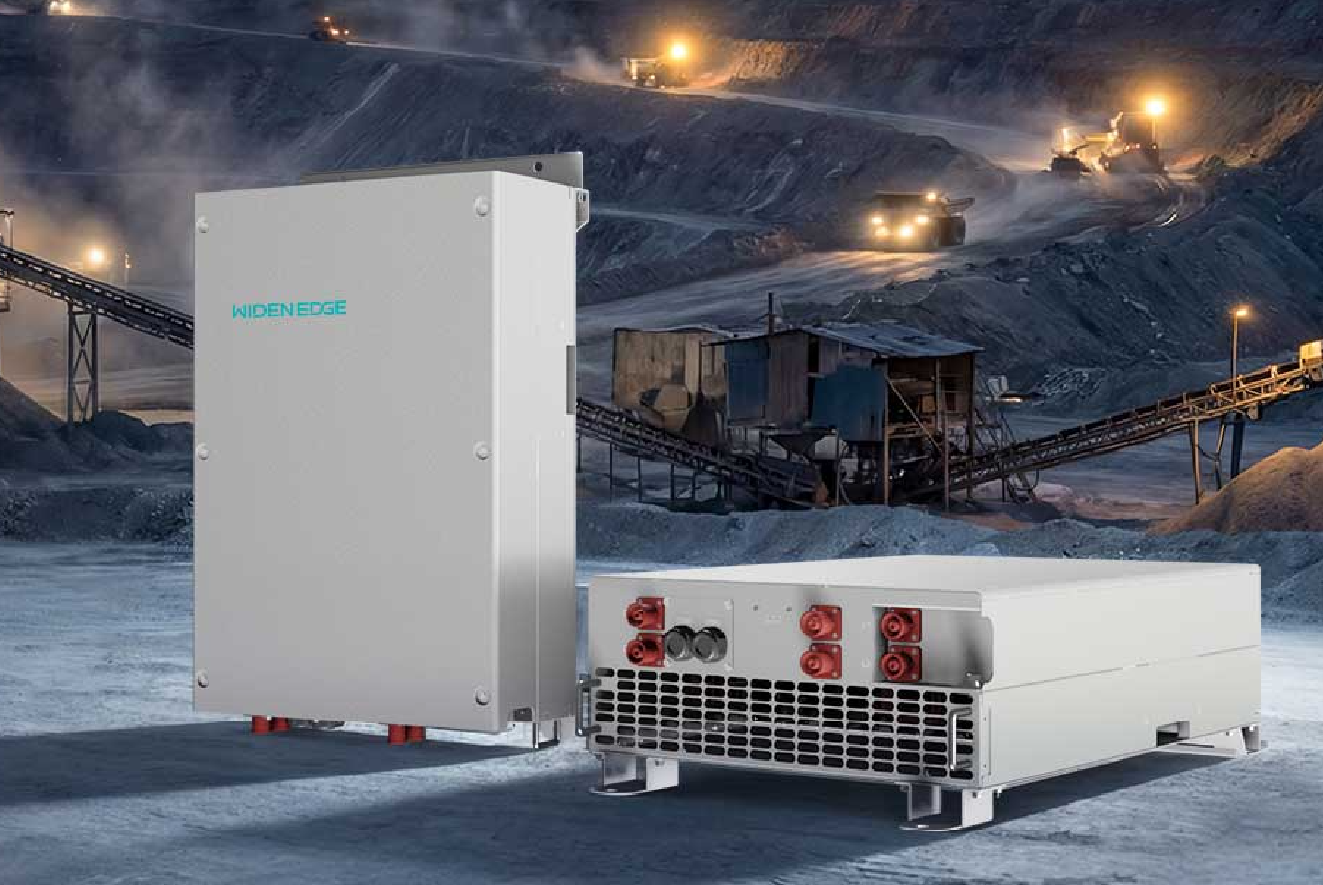
Problem-driven opening: what goes wrong and why you should care
The worst failures arrive like a dropped snare—sharp, loud, and sudden. When an island microgrid must carry a village, a resort, or critical loads, mismatched protection yields blackout, equipment damage, and long repairs. A common failure point is the power electronics stage; even a robust 600kW energy storage inverter can cascade faults into a full-system outage if protection isn’t choreographed. I’ve worked on microgrid pilots in California and learned that clear, tested protection strategy turns reactive chaos into a steady pulse. This note lists the most urgent protection problems you’ll face and practical responses you can implement before deployment.
Failure modes that set the tempo
Start by diagnosing the likely failure patterns. Treat these as the beats you must never miss:- Anti-islanding confusion: distributed inverters must detect loss of the main grid and either island cleanly or cease injection to avoid safety hazards.- Fault propagation: without selective fusing and relay coordination, a local short trips the entire array.- Thermal runaway: poor cooling inside enclosures kills semiconductors faster than electrical stress alone.- Communication blackout: protection logic that depends on SCADA or master controllers fails if comms drop.- Harmonic and DC injection issues: these upset relay thresholds and protection algorithms.
Protection features to deploy and tune
Don’t treat protection as a checkbox. Tune these features to the site and equipment:- Overcurrent and short-circuit protection with time-current coordination so only the faulted zone isolates.- Directional protection and negative-sequence detection for unbalanced faults common in islanded operation.- Fast anti-islanding algorithms with verified settings for both grid-forming and grid-following inverters.- Adaptive relaying that can switch settings between grid-connected and islanded modes.- Surge protection and proper earthing to handle lightning and transient overvoltages.- Integrated BMS coordination to limit battery charge/discharge during fault recovery.
Containment, cooling, and physical safeguards
Physical design is not decoration—it’s primary protection. Choose an inverter container that addresses airflow, fire risk, and access, and verify:- Ventilation that maintains semiconductor junction temps below manufacturers’ limits during full load.- Segregation of AC, DC, and low-voltage control wiring to prevent fault transfer.- Fire detection plus an appropriate suppression scheme that won’t damage batteries or inverter electronics.- Environmental rating (IP/IK) and corrosion resistance matched to site conditions.Neglect here and you’ll replace inverters more often than you replace fuses.
Controls, coordination, and communications
Protection depends on clear signals. Hardwire what’s critical and architect redundancy for the rest:- Use redundant communication paths between inverters, relays, and the plant controller.- Keep essential protection decisions local—local relays and fast breakers must act without waiting for a remote command.- Define clear priorities for grid-forming resources to prevent power-source contention when islanding occurs.- Test interlocks between the inverter control, BMS, and plant protection to avoid contradictory commands during faults.
Testing, acceptance, and real-world verification
Don’t trust theoretical settings; prove them. Insist on:- Factory Acceptance Tests (FAT) with simulated faults, then Site Acceptance Tests (SAT) under realistic loading.- Protection coordination studies and one-line documentation that show selective clearing for every fault scenario.- Commissioning that includes black-start, synchronizing, and transition tests between grid-connected and islanded states.- Scheduled protective relay re-tests after major firmware upgrades or system changes.
Common mistakes and alternatives
Teams often repeat the same errors. Watch for these traps:- Undersized breakers and cable ratings chosen purely on steady-state current.- Relying on a single protection philosophy; mix grid-following and grid-forming without a clear hierarchy and you get oscillation.- Skipping harmonic studies when large inverter banks interact with legacy generators.If you need alternatives, consider containerized systems for rapid deployment, or skid-mounted systems for easier airflow engineering; each has trade-offs in transport, cooling, and serviceability.
Final cadence: how to pull the system together
Count the measures above as parts of a score. Protection must be local enough to stop a fault, coordinated enough to keep the rest of the grid singing, and tested until the transitions feel natural. Practical experience—design, field tests, and documented acceptance—gives you that confidence. For teams balancing modular hardware and containerized installations, the right designs and tested configurations lead to predictable operation, and WidenEdge sits among the solutions I’ve seen harmonize protection and deployment without theatrical surprises.