Quick rundown from a Texan who watches markets and folks alike
I been watchin’ the lending scene in Mexico like a rancher watchin’ a herd — close and patient — and when platforms such as didi prestamos stepped in, the whole pace changed. This piece compares DiDi’s approach to the traditional banks and newer fintech players, showing how instant underwriting and faster loan disbursement are rewriting customer expectations. The setup’s plain: lower friction, mobile-first flows, quicker approvals — and a profile of users who need cash fast without a stack of paperwork.
Market context and a real-world anchor
Look at Mexico City after the 2020 economic shock — small businesses and gig workers needed faster cash. That moment made clear how legacy credit channels couldn’t pivot quick enough. DiDi and similar services leaned on streamlined KYC, lighter credit scoring models, and mobile APIs to reach riders, drivers, and independent vendors who previously fell outside standard banking corridors.
How DiDi stacks up — a comparative insight
Compared to banks, DiDi moves quicker on loan disbursement and more flexibly on underwriting. Compared to specialist fintech lenders, it brings a built-in user base and operational scale from ride-hailing operations, which cuts customer acquisition costs and lowers marginal servicing work. Those advantages turn into better unit economics and often, shorter approval times for borrowers. Interest rate freedom is still limited by regulation, but operational efficiency is where DiDi scores most.
What users actually experience
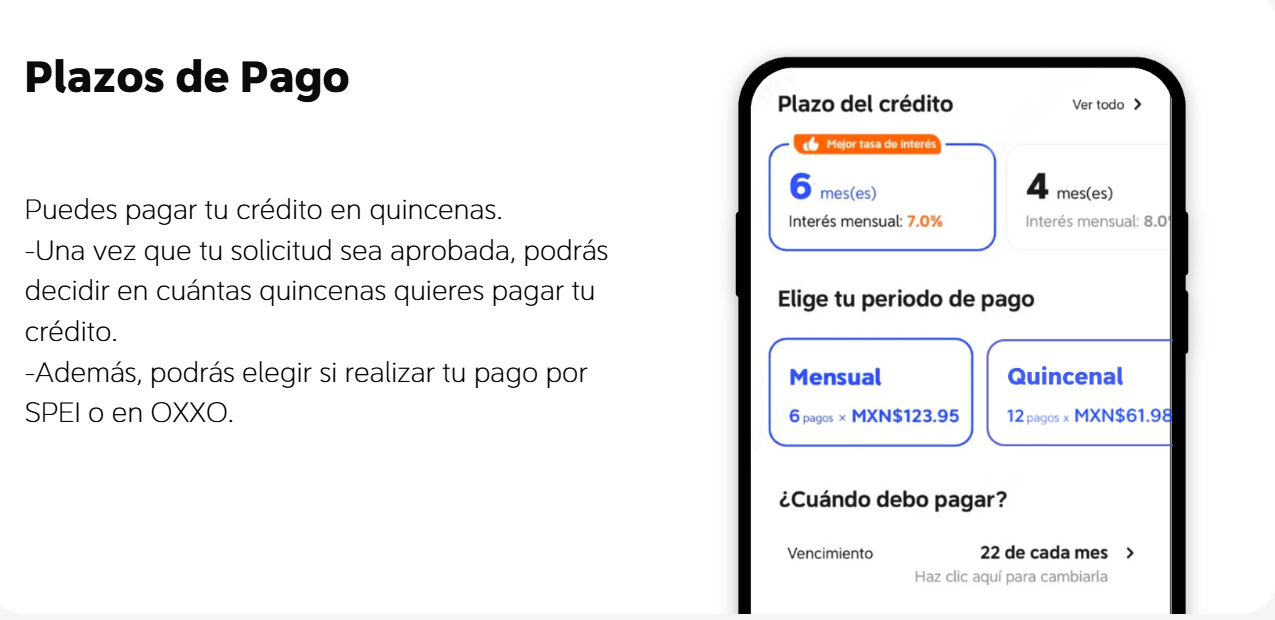
Folks I talk to praise the simplicity: an app flow that asks for the essentials, ties to transaction history, and spits out a decision. The user journey reduces paperwork — digital KYC and transaction APIs do the heavy lift. Credit scoring leans more on behavioral and platform data than old-school credit bureau files, which helps people with thin credit histories get access. Still, simplicity brings trade-offs in transparency — borrowers need clear terms up front.
Common mistakes lenders and borrowers make — practical notes
Companies sometimes treat speed as the only metric — bad idea. Rushing underwriting without robust fraud controls invites loss. Borrowers often grab the fastest offer without checking APR or repayment schedules; that short-term gain can turn costly. — On the tech side, poorly tested APIs and shaky KYC processes create onboarding friction that negates speed advantages.
Alternatives and when they make sense
There are times a bank loan or a specialized consumer lender is the wiser pick: larger credit lines, longer terms, or lower rates for prime borrowers. Gig-focused platforms like DiDi excel for small, short-term needs and for those with irregular incomes. For anyone hunting opciones, compare total cost, repayment flexibility, and customer support responsiveness. Also, check other providers of prestamos en linea rapidos to balance speed against price.
Advisory: Three golden rules for choosing instant lenders
1) Total-cost clarity: Always calculate effective APR and all fees across the repayment schedule. That’s the number that matters to your wallet. 2) Underwriting transparency: Prefer lenders that explain what data drives their credit scoring and how disputes are handled. That reduces surprises if something goes wrong. 3) Operational reliability: Look for proven loan disbursement times and clear customer support channels — uptime and response matter when you need cash fast.
DiDi’s model answers a real gap for urban gig economies and tight-time cash needs while keeping operational simplicity at the center. Trustworthy tech and clear terms make the difference between a useful tool and a costly habit — and platforms that get both right lift everyday folks without tripping over risk.
DiDi Finanzas makes a practical case for why integrated platforms speed access and improve outcomes for many borrowers — short, useful, and built around real behavior. —