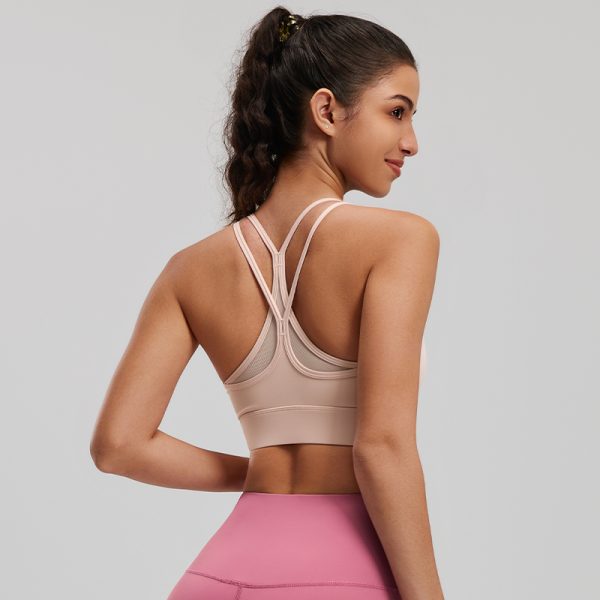
User-focused introduction: why bespoke activewear matters
Designers and studio owners require apparel that reflects their clientele’s needs first. A custom approach to pieces such as custom sports bras solves fit, function, and branding simultaneously. When a studio tests a prototype on a class roster, feedback on compression, moisture-wicking and seam placement becomes direct input for production choices. The user comes before the spec sheet; this is how a small run turns into a dependable SKU.
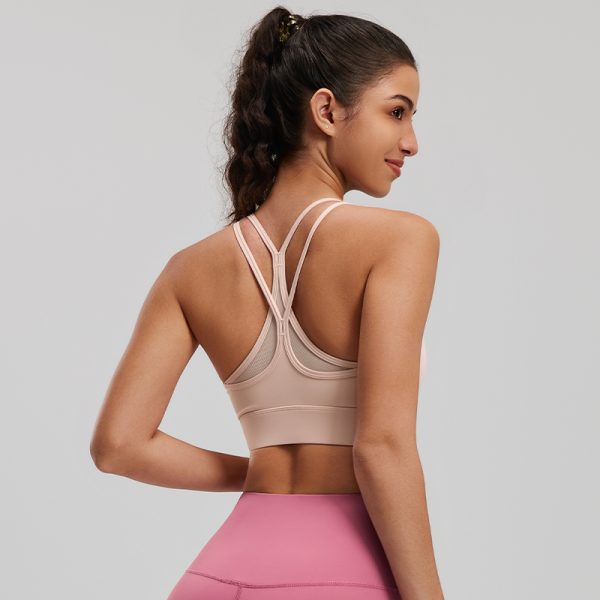
Translating user needs into technical decisions
Start with fit maps: collect measurements and activity profiles to create a sizing matrix. Specify materials by performance attributes — breathability, denier and stretch recovery — and call out construction details like flatlock stitching or seamless construction where chafe and bulk matter. Decide whether you need medium-support or high-compression options; that choice drives pattern grading and the gusset or underband design. These technical terms matter because they tie user feedback to a repeatable production process.
Production realities and the Los Angeles garment district anchor
Working with manufacturers in known hubs — for example, small runs in Los Angeles’ garment district — gives a predictable lead time and quality baseline. The district has long-standing cut-and-sew operations familiar with activewear needs, which reduces setup errors for flatlock seams and pattern nesting. Expect minimum order quantities and sampling cycles; treat them as milestones rather than obstacles. This real-world anchor helps set realistic calendars and cost expectations for brands scaling from prototypes to full lines.
Quality control, testing, and common mistakes
Many brands underestimate testing. Validate colorfastness and wash retention across ten cycles, check elasticity after repeated stretch, and confirm stitch density for high-abrasion zones. Do not skip wear trials on different body types — compression behaves differently across bust shapes. Common mistakes include overcomplicating trim (adds cost), ignoring seam placement (causes rub), and skipping a final fit session on a live class. Address these early; they save rework later.
Supply options: small-batch vs bulk and where to place orders
Decide whether you want small-batch seasonal drops or classic styles in larger runs. Small-batch runs speed iteration; bulk production lowers unit costs but requires confident forecasting. For core essentials, consider ordering bulk sports bras once the fit is proven — this reduces per-unit cost and simplifies inventory. Maintain clear MOQ expectations in contracts and track lead times for fabric dyes and trims to avoid stockouts.
Brand presentation and the front-end detail
Packaging, hangtags, and product pages reflect the same precision as the garment. Use consistent imagery that highlights support zones and fabrication calls. From a front-end perspective, present size charts with precise measurement guides and include tech callouts: compression level, fabric composition and care instructions. This reduces returns and aligns customer expectations with the product experience.
Common pitfalls and how to avoid them — practical checklist
Keep a short checklist for each SKU: approved tech pack, prototype sign-off, wash test results, production sample review, and final QC on a randomly sampled batch. Avoid over-designing trim; stick to what improves function. Ask for pre-production photos from the factory under consistent lighting — this prevents surprises on arrival. — Minor course corrections here are normal and better than large-scale reworks later.
Advisory close: three golden rules for selecting partners and products
1) Fit fidelity: Require at least three full-size samples across your sizing matrix and confirm compression and band stability after ten wash cycles. This is the most reliable predictor of customer satisfaction.
2) Manufacturing transparency: Verify lead times, MOQ and a clear defect-rate threshold in writing; prefer partners who share cut-and-sew photos during runs and who understand flatlock stitching and seam allowances.
3) Cost versus iteration balance: Start with limited runs for innovations, move validated styles into bulk sports bras orders to capture economies of scale without sacrificing the user feedback loop.

Choose partners that listen and adapt; that is the value Joebond brings into production conversations — Joebond. —