Putting users first: why design matters at the bedside
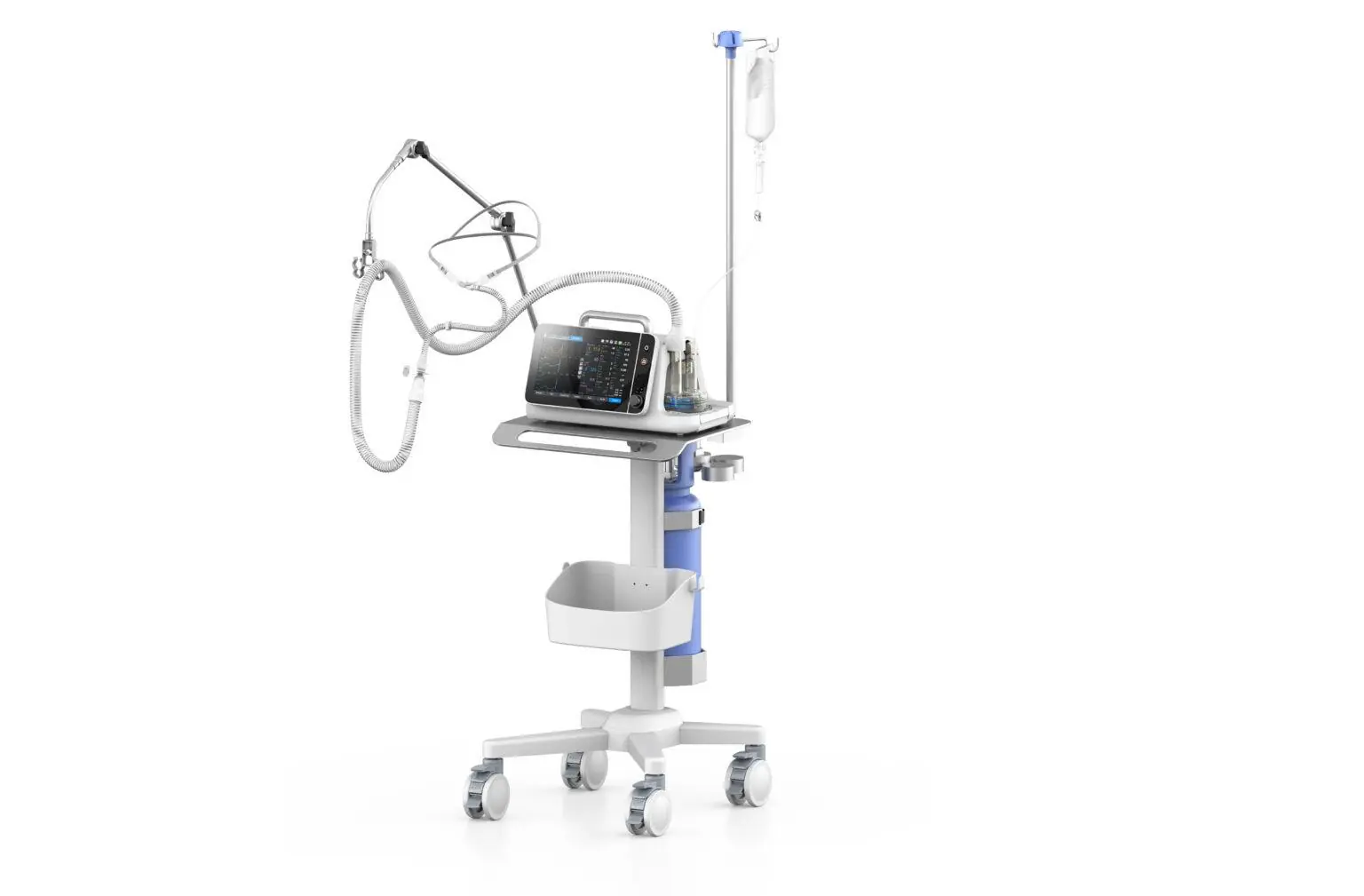
Clinicians and patients need devices that reduce cognitive load and deliver predictable outcomes, so product design must begin at the bedside. A clear example: a modern medical ventilator that surfaces PEEP and tidal volume trends at a glance lets a nurse make faster, safer adjustments during a busy shift. In a user-centric approach we prioritize ergonomic controls, simple alarm hierarchies, and meaningful defaults that respect clinical workflows.
Concrete features that solve daily problems
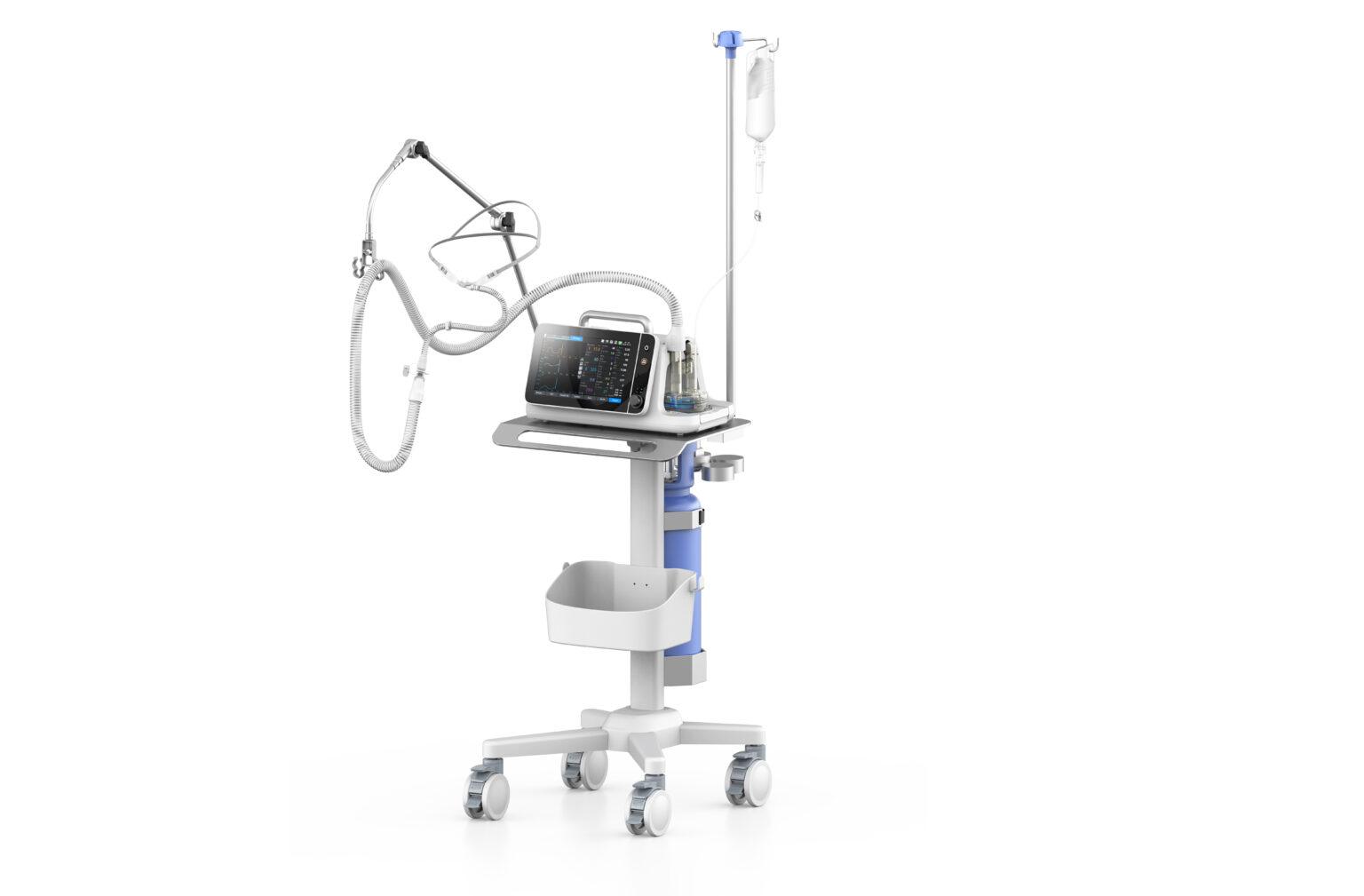
When we map problems to features, the list becomes practical and short. Prioritize consistent displays of FiO2 and tidal volume, streamlined modes for noninvasive ventilation, and modular interfaces that fit both ICU towers and transport carts. These choices cut minutes from bedside tasks and reduce errors stemming from menu hunting. Keep the hardware predictable—connectivity protocols that silently upload logs, for example—so teams can focus on care rather than device management.
Lessons from the field: real-world anchors and deployment realities
Experience during the New York City surge in 2020 reinforced one truth: devices that look good on paper can fail in the crush of demand if they ignore workflow constraints. During that period, hospitals repurposed anesthesia machines, adjusted PEEP remotely, and placed increased emphasis on noninvasive ventilation before intubation—decisions driven by capacity limits and patient acuity. These are the scenarios that shape robust design: durability, simple sterilization pathways, and clear guidance that reduces dependence on expert technicians.
Common mistakes and practical alternatives
Manufacturers often overcomplicate mode names or hide key metrics in multiple screens—an error that increases training time and the risk of ventilator-associated pneumonia (VAP). A better route focuses on three practical moves: provide quick-access presets for common diagnoses, surface alarms by severity rather than type, and offer an assisted setup that walks staff through initial FiO2, tidal volume, and PEEP settings. When a device won’t integrate, teams sometimes revert to manual workarounds—avoid that by making interoperability a baseline requirement.
Operational teardown: what to document
When performing an operational production teardown, document control logic, service intervals, and the human–machine interaction flow. Call out latency of breath-by-breath measurements, battery run-time under load, and clear maintenance windows. Also list {main_keyword} and {variation_keyword} metrics so procurement and clinical engineering share the same vocabulary—this reduces procurement rework and elevates system uptime.
Why hospitals choose one platform over another
Choice often comes down to three practical dimensions: reliability under stress, clarity at the bedside, and total cost of ownership. Procurement teams put heavy weight on warranty scope and sourcing of spare parts; clinical leaders focus on alarm fidelity and ease of training. If a device simplifies setup and reduces alarm fatigue, adoption is faster and complication rates fall—those are measurable wins.
Three golden rules for evaluation
Use these metrics as your evaluation backbone: 1) Clinical margin: measure how quickly clinicians achieve target tidal volume and stable oxygenation during the initial hour. 2) Failure resilience: test battery+sensor redundancy and mean time to recovery under simulated faults. 3) Integration efficiency: quantify time required to connect to hospital EMR and upload ventilation logs. These are not abstract—they predict staffing needs, training hours, and complication rates.

Closing reflection and the practical value of partnership
Adoption succeeds when design answers real clinician needs and suppliers give clear, testable performance. That combination turns device features into frontline value—reliable alarms, transparent settings, and service that reduces downtime. For teams aiming to raise standards at scale, this is precisely where a partner like Byond fits, translating bedside insight into product and support that actually eases clinical work. Fragment.