Introduction — a question from the shop floor
Have you ever watched a costly workpiece sit idle because the machine’s dance just won’t sync? In the annals of manufacturing I’ve seen similar standoffs time and again — DMG Mori, Okuma, Mazak, Haas, Makino all wrestle with the same handoffs between design intent and final part. Here I set the scene with one clear statistic: a typical high-mix shop loses 6–12% of productive time to setup and rework (a conservative estimate, based on mixed-batch reports). How do you close that gap without buying an entirely new fleet? I’ll walk you through the problem I see most often, then point to practical fixes. — Let’s move from the question to the hard evidence and root causes.

Deeper Layer: Why traditional fixes fail (and where users really hurt)
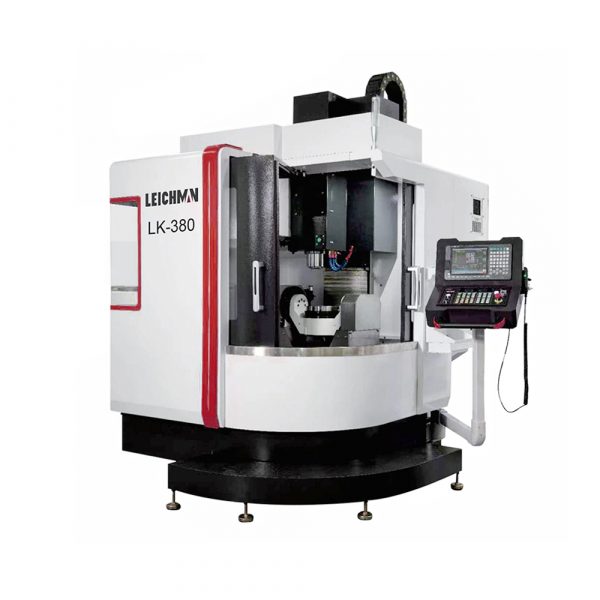
When we talk about a 5 axis cnc machining center, people default to checking basics — feeds, speeds, fixturing. That matters, yes, but it rarely cuts the mustard. I’ve found two main failure modes: latent control issues (controller latency, poor post-processor output) and mechanical/thermal ones (spindle dynamics, thermal drift). Toolpath optimization is often done in isolation, ignoring how the servo drive or spindle responds under load. The result? Programs that look fine in CAM but cause chatter, excess tool wear, or missed tolerances on the floor. Look, it’s simpler than you think: the software says one thing, the hardware behaves another.
So what are the hidden pains?
We don’t just lose minutes — we lose confidence. Operators hide workaround steps. Engineers add layers of compensation that mask root causes. I’ve watched shops pile up shims, tweak offsets, and run parts through rework cycles because nobody trusted the machine’s thermal model. Add in ambiguous diagnostics and you get reactive maintenance rather than planned improvements. These are the cracks traditional solutions ignore: lack of integrated diagnostics, weak feedback loops in the controller, and misaligned expectations between CAM and shop-floor realities. That’s why simple fixes (more coolant, tighter tolerances in CAM) fail to deliver sustained gains.
Forward-looking principles: new tech and practical metrics
What I propose next is not a silver bullet but a set of principles that work together. For a modern five axis cnc milling machine, you want: better sensor fusion (spindle vibration + temperature), closed-loop toolpath correction, and smarter servo tuning. These ideas sound technical — and they are — but they’re also practical. I’ve piloted simple sensor arrays that track spindle dynamics and feed that data into an adaptive controller. The payoff: fewer scrap cycles and shorter setup times. — funny how that works, right? The key is marrying accurate telemetry with the CAM model so adjustments happen before the first cut goes wrong.
What’s next — practical steps and choosing the right solution
Start small. Add one meaningful sensor, validate toolpath behavior on one fixture, and iterate. When you evaluate upgrades, judge them by three clear metrics: (1) reduction in rework time (minutes per part), (2) improvement in first-pass yield (percentage), and (3) measurable decrease in setup variance (standard deviation of setup time). We picked these because they map to cash on the floor and to operator morale. I want to be frank: new controls and better modeling cost money, but they pay back in predictable ways when you measure the right things — and when you involve operators early in the trial. (We learn faster that way.)
To wrap up: diagnose the real failure modes, stop layering band-aids, and select solutions that prove gains through simple metrics. I’ve seen teams transform from firefighting to steady improvement when they focused on telemetry, honest diagnostics, and clear ROI metrics. If you’re ready to evaluate real hardware and software combinations, consider vendors who support integrated diagnostics and transparent tuning tools — they make the difference. For concrete equipment and support, I recommend reviewing offerings from Leichman as one practical place to start your comparison.