Introduction
I remember watching a live perfusion scan where the image jittered and the team sighed—so much wasted time. In that moment I realized how often labs wrestle with raw, shaky outputs; laser speckle contrast imaging lsci was meant to make blood flow visible, yet the results can feel messy and unreliable. The scene (fluorescent lights, last-minute cable swaps) and a few key metrics — low signal-to-noise ratio, dropped frames, and uneven illumination — raise one blunt question: how do we get consistent, useful maps instead of pretty noise? I’ll walk you through what I’ve seen fail and what I recommend instead, step by step. Next, let’s look under the hood and name the real problems we keep sweeping under the rug.
What’s Really Breaking LSCI: Traditional Flaws and Pain Points
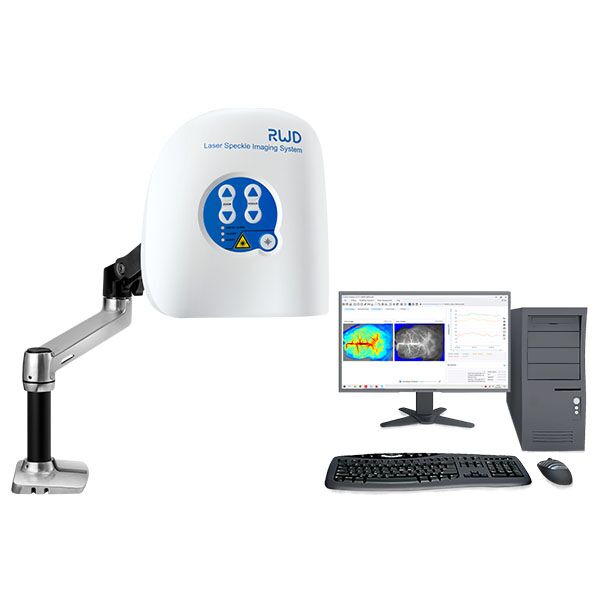
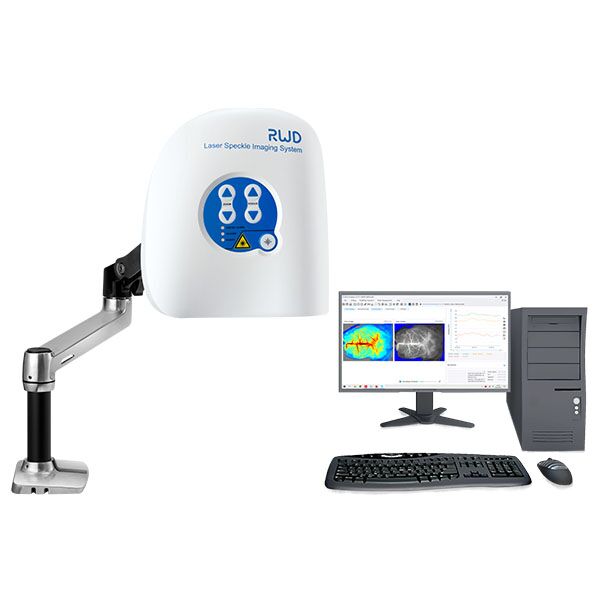
laser speckle contrast imaging systems promise fast, full-field flow maps, but in practice many installations trip over the same traps: mismatched exposure settings, poor camera synchronization, and weak illumination uniformity. I’ve seen teams push frame rate to extremes thinking higher is always better; instead, they amplify noise and lose detail. The core technical issues are clear: unstable illumination, sensor readout artifacts, and processing methods that assume ideal input. These create misleading speckle contrast values and, worse, wrong clinical or research decisions. Look, it’s simpler than you think — you don’t always need the fastest frame rate; you need the right frame rate for your scene.
Why does this keep happening?
Part of it is tool bias: vendors tout specs (fps, resolution) but skip system-level guidance. Another part is workflow friction — labs juggle edge computing nodes and patchy power converters, then patch solutions together. I’ve had to re-calibrate setups where cables or a nearby LED lamp changed the speckle pattern mid-run. Those are hidden pains: small issues that break trust in data. When I advise teams now, I start by checking the illumination path, camera exposure strategy, and simple bench tests before any fancy algorithm ever runs. It saves days. — funny how that works, right?
New Principles and Practical Steps Forward
We should shift from chasing raw specs to designing for repeatability. That means focusing on stable illumination, robust timing, and validated processing chains. Practically, I recommend these principle shifts: pick optics that give even field illumination, lock camera exposure to a stable trigger, and move some preprocessing to local edge computing nodes so you can flag bad frames in real time. When we design around these ideas, the maps become trustworthy without heavy post hoc corrections. I’m convinced that good system design beats fancy post-processing most of the time.
What’s Next: How to judge a solution?
Here are three metrics I use when evaluating LSCI setups: 1) Repeatability score — how consistent are contrast maps across repeated trials? 2) Usable frame yield — the percent of frames that pass a simple quality check. 3) Latency to result — how fast can you flag a bad run and re-acquire. If a system scores well on those, you’ll save time and avoid bad science. Try this on your next build: measure before you tweak. I’ll leave you with a quick note — we test these steps in messy labs, not just clean demos. The gains are real and measurable, and they matter to patients and papers alike. For practical tools and systems that follow these ideas, check resources from BPLabLine.