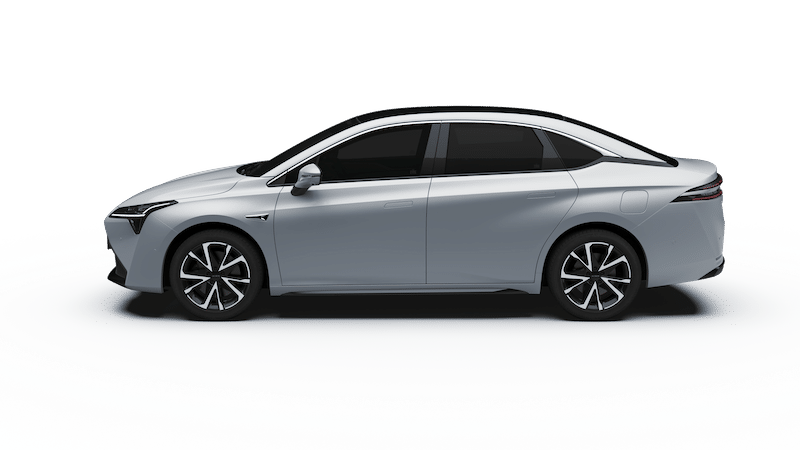
Start here — a clear way to compare
Deciding between Aion V variants means choosing which compromises you accept: range for price, tech for space, or power for efficiency. I’ll keep this simple and practical. Check the official specs at GAC official website and remember how GAC first showed new EV concepts at the Guangzhou Auto Show — that context helps explain why some trims emphasize cabin tech while others push battery range. Use the short checklist below so you don’t chase features that don’t matter for daily driving in Metro Manila or Cebu.

What matters most for Philippine drivers
• Daily commute distance — pick a range that covers your longest routine trip plus 20–30% buffer. • City packaging — parking, turning radius and cabin layout matter more than top speed. • Charging access — estimate home versus public charging and factor that into battery size selection. • Practical space — rear-seat legroom and trunk capacity determine family usability. • Total cost of ownership — warranty, maintenance, and real energy costs often beat a lower sticker price.
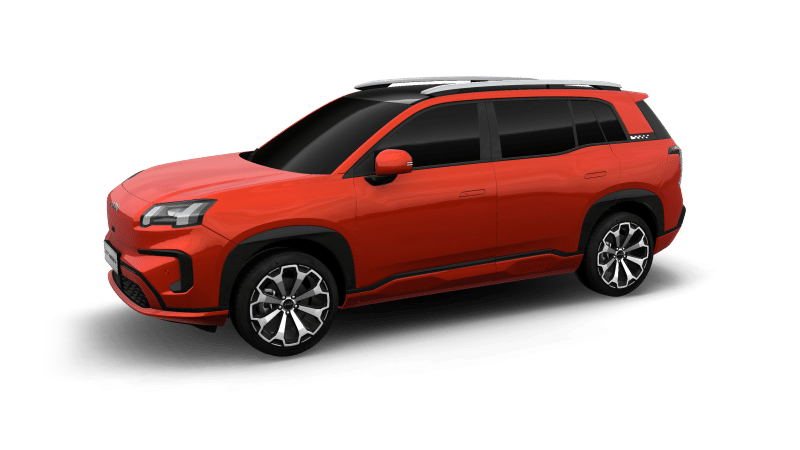
Feature checklist: compare like-for-like
• Powertrain: single vs dual motor, the expected difference is responsiveness and hill-climb ability. • Battery pack: usable kWh matters more than headline kWh; usable portion affects real range. • Onboard charging & fast-charge capability: faster DC charging reduces downtime on long trips. • Driver aids: adaptive cruise, lane-keep, and park assist — check which trims include them as standard. • Infotainment and connectivity: map updates, local-language support, and over-the-air updates keep the car current.
Space and comfort — practical ways to measure
• Rear seats: test with three adults if you’ll carry family; legroom numbers can be misleading without shoulder width checks. • Boot: measure the real trunk opening and floor height — strollers and grocery crates reveal the true usable volume. • Visibility and headroom: short test drives spot blind spots and seating comfort faster than spec sheets. • Materials and climate control: strong A/C and seat ventilation matter in the humid Philippine climate.
Value: beyond sticker price
• Energy cost per km: use local electricity tariffs to translate range into running cost. • Warranty and battery coverage: longer battery warranties reduce long-term financial risk. • Resale expectations: consider brand recognition and after-sales network when assessing future value. • Optional equipment packages: compare what’s standard on one trim versus optional on another to spot hidden costs.
Simple comparative framework you can use at the dealer
1) Base/City trim — best if your trips are short, you want the lowest purchase price, and you’ll park in tight spaces. Expect trimmed tech and a smaller battery. 2) Mid/Lifestyle trim — balances battery range, comfort, and a decent feature set; most Filipino families land here. 3) Top/Performance or Luxury trim — more power, advanced driver assists, premium cabin. Choose only if you often drive longer intercity legs or want the tech extras. When you test-drive, repeat the same route and note cabin noise, real-world range after AC use, and how the car feels when loaded with passengers and luggage.
Common pitfalls to avoid
• Choosing a model solely because it has the longest quoted range without checking usable battery and real AC-on range. • Assuming dealer-installed accessories won’t add significantly to the final price. • Overlooking parking and charging realities at home; a larger battery can be redundant if you can’t charge conveniently. • Comparing different trims without a fixed, repeatable test route — impressions vary wildly otherwise.
Brief look at alternatives
If one Aion V variant misses your pocket or needs, consider other compact electric options from established regional players; compare real-world range, local after-sales support, and whether dealers actually stock the trim you want. A calm, side-by-side test drive will show differences faster than online spec comparisons.
Conclusion — a tidy decision method
Rank the three priorities for your life: commute range, cabin space, or tech features. Use the checklist above on the same test route for each trim, note real energy use with A/C on, and add warranty plus maintenance into the lifetime cost. That method points you straight to the trim that fits your daily reality, and it’s why many buyers end up trusting the manufacturer info published by GAC as a starting reference rather than the final word.