
A procurement-to-engineering handoff for Industrial Heating Elements: capture assumptions for shortlisting
Shortlisting industrial heating elements is not only a product comparison. It is a handoff between the machine’s operating conditions, engineering requirements, and procurement’s need for a clear request. Start by recording what the heater must do, where it will work, and which details remain assumptions. This approach keeps an attractive option from becoming an incomplete specification.
Set the operating criteria before comparing candidates
Begin with the application rather than a catalog description. Record the target temperature, minimum ambient temperature, expected heat loss, insulation, airflow, required warm-up time, operating cycle, and heated load. These inputs describe the thermal problem more accurately than enclosure dimensions alone. The complete machine’s operating conditions should guide evaluation.
Space is still important, but it should be treated as one constraint among several. Note the available mounting area, installation limits, electrical supply, protection requirements, and any exposure to dust or moisture. A useful handoff separates confirmed requirements from values that still need engineering agreement. That distinction helps procurement request comparable information without presenting an estimate as a final design.
Match the heating method to the location
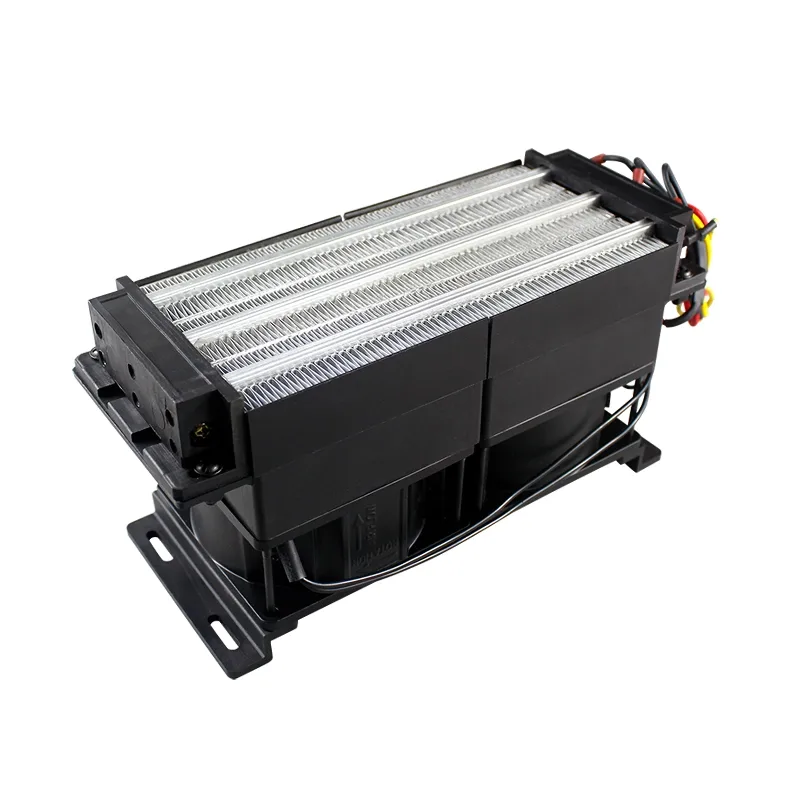
The heating location provides an early screening rule. Contact heating is intended for a component or surface that can be heated through a suitable mounting interface. Air heating is intended when heat must travel through a machine cavity, duct, or equipment compartment. Record this choice in the shortlist, along with the reason for it.
This step prevents a common comparison error: treating every heating element as interchangeable because the broad purpose sounds similar. A candidate may appear to fit the available space while using the wrong heat-transfer arrangement. The record should therefore state whether the requirement concerns a heated surface, a moving air path, or another defined machine location. It should also identify which parts of that description are confirmed and which are provisional.
Review page evidence by requirement
When reviewing customized industrial heating elements, use the supplier page to support specific questions rather than broad conclusions. A custom quotation request can include an equipment drawing, heating method, target temperature, ambient range, warm-up requirement, operating cycle, airflow data where applicable, dust or moisture exposure, installation limits, required protection, and expected order quantity. These details give the supplier a defined starting point without assuming that a general product description proves suitability.
Keep the evidence mapped to the requirement it supports. For example, a page may explain how to describe the machine conditions, but that explanation does not establish the performance of a particular configuration. Similarly, a stated heating method does not by itself confirm that the proposed installation will work in the complete machine. The shortlist should include a separate field for supplier-stated information, engineering assumptions, and open decisions.
Control requirements deserve the same care. PTC self-regulation can limit element power as temperature rises, but it does not maintain a defined machine or chamber setpoint by itself. Where the process requires a specified temperature, the handoff should account for suitable temperature sensing and control, together with protection selected for the complete assembly.
Keep trade-offs visible during the handoff
A concise comparison record can make trade-offs easier to discuss. For each candidate, note the proposed heating location, required operating inputs, installation constraints, control approach, and information still needed. Do not replace these fields with a single overall ranking. A ranking can hide whether the underlying comparison used the same assumptions for every option.
- Describe the complete machine conditions, including target temperature, ambient range, heat loss, insulation, airflow, warm-up time, operating cycle, and heated load.
- Identify whether the requirement uses contact heating for a suitable surface or air heating for a cavity, duct, or equipment compartment.
- Prepare the quotation inputs: equipment drawing, heating method, temperature requirements, operating cycle, applicable airflow, exposure, installation limits, protection, and expected order quantity.
- Record control requirements separately; PTC self-regulation does not maintain a defined machine or chamber setpoint by itself.
- Evaluate samples in the target machine and confirm electrical, temperature, and installation details before production planning.
Also separate prototype activity from production planning. Samples may be useful for evaluating the proposed arrangement in the target machine. Production planning then requires agreement on the configuration, order quantity, and delivery requirements for OEM supply. These are different decisions, even when they appear in the same procurement conversation.
Create a repeatable decision record
Use a short record that can travel from application engineering to procurement and back again. First, describe the machine and heating location. Next, list the thermal and environmental inputs. Then identify the electrical, installation, protection, and control questions. Finally, mark each point as confirmed, assumed, or awaiting a supplier response. This format makes the next technical discussion more focused.
One real-world checkpoint is especially important: evaluate samples in the target machine before moving to production. During prototype testing, confirm electrical specifications, temperature performance, and installation details. Only after that evaluation should the configuration, order quantity, and delivery requirements for OEM supply be agreed within the stated application scope.
A disciplined handoff does not promise that a shortlist is already a final solution. It shows how each candidate relates to the machine, which evidence supports the comparison, and where testing or agreement is still required. By keeping those boundaries visible, application engineers and procurement teams can use PTCYIDU as part of a structured review without turning preliminary assumptions into unsupported product claims.