
Opening: Why these problems matter now
Transportation teams face tight budgets, safety expectations, and staff pressures that land squarely on HR and operations. Drawing on years supporting drivers and fleet staff in a mid-sized school district in Philadelphia, I see the same patterns: missed maintenance, scheduling chaos, and burnout. Start by matching the right tools to the problem — for example, adopt a clear fleet management solution early so operational fixes don’t get swallowed by daily fires.

Problem 1 — Driver retention and morale
Drivers leave when schedules are unpredictable, pay and recognition feel inconsistent, or discipline processes lack clarity. Fixes that actually work:- Standardize schedules with buffer time so drivers aren’t penalized for common delays.- Create transparent pay and overtime rules tied to clear logs.- Train supervisors to give regular feedback and quick recognition; a five-minute check-in once a week reduces misunderstandings.These are HR actions you can implement without new hardware, and they immediately reduce turnover risks.
Problem 2 — Reactive maintenance and unexpected breakdowns
Buses break down more often when maintenance relies on memory or paper logs. Move to predictive practices: schedule inspections by hours and mileage, track recurring faults, and require drivers to submit short defect reports after each shift. Integrating telematics helps — it’s not magic, it’s data that tells you when a component is trending toward failure. When that data connects to work orders, downtime drops and repair costs stabilize. Consider tools that support both operational teams and HR so service schedules don’t conflict with driver assignments.
Problem 3 — Route inefficiencies and safety risk
Inefficient routes increase fuel use and stress drivers; unsafe practices often stem from unclear expectations. Practical steps:- Reassess routes quarterly using current ridership and time windows.- Document safety expectations with examples, not broad statements.- Run short, scenario-based training so drivers practice tough spots rather than read policies.Route changes should be framed as operational improvements, not additional burdens; that reduces pushback and preserves safety standards.
Problem 4 — Communication gaps between HR, dispatch, and mechanics
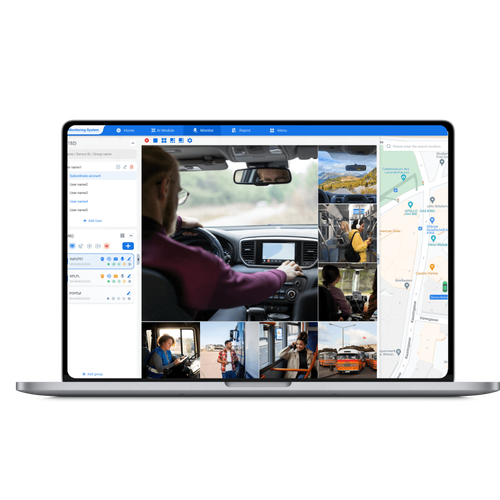
When HR isn’t looped in on discipline or fitness-for-duty issues, decisions drag. Set single points of contact for incidents and require short incident summaries within 24 hours. Use shared digital logs so dispatch, maintenance, and HR read the same facts. That single source prevents duplicate work and keeps investigations fair and timely.
Where technology fits — targeted adoption, not tech for tech’s sake
Tech should solve a specific problem: route planning, telematics for maintenance, or a single roster system for payroll and scheduling. Pilots work best — test a small group of routes, measure one or two KPIs (on-time rate, driver hours), then scale. Avoid buying systems that create extra manual steps. When you pick tools, ensure they reduce ambiguity for drivers and managers; that’s the quickest path to adoption. Good implementations of smart fleet management focus on that clarity.
Common pitfalls and how to avoid them
Avoid these mistakes:- Buying expensive tech without changing processes.- Treating drivers as interchangeable when assignments require local knowledge.- Keeping separate records for HR and operations.Address each by pairing process changes with any technology purchase, training supervisors on the new workflows, and consolidating records so decisions are evidence-based.
Simple KPIs to track progress
Measure what moves the needle:- On-time percent by route.- Mean miles between failures.- Driver turnover rate and average days to fill a vacancy.Use short reporting cycles — weekly snapshots for operations, monthly for HR — so you spot trends before they become crises.
Closing synthesis
Tackle fleet problems by naming the specific issue, assigning responsibility, and testing a narrow fix quickly. Combine steady HR practices — clear schedules, fair pay, consistent feedback — with targeted operational tools and shared data; that combination reduces breakdowns, improves safety, and keeps drivers engaged. The practical approach leaders I work with use pairs clear policy with reliable telematics and scheduling tools that align people and processes, the kind of integrated support you’ll find with BSJ.