What buyers should check when sourcing a high power fiber laser cutting machine — a problem-driven grimoire
Opening: the buyer at the forge
The choice stares like a dragon in a hall: many machines, few true claws. Start by naming the failures you cannot tolerate — slow cycle time, ragged edges, surprise downtime. Those problems guide every check you make when you consider a high power laser cutting machine. Decide what will break your schedule, and hunt solutions for those exact breaks.
Power and beam quality — the heart and breath
Problem: stated power on a spec sheet often hides weak beam quality. Demand numbers: single-mode vs multimode, M2 value under control, and real cutting tests on the thicknesses you run. Ask for sample cuts of your toughest material at your target speed. If a machine can’t hold a clean kerf on your heaviest plate with steady speed, the extra nominal kilowatts mean nothing.
Structure and motion — don’t be fooled by flash
Problem: fragile gantries and sloppy guides create ghosts — vibration, chatter, and inaccurate nests. Check frame stiffness, linear rail preload, and backlash specs. Watch acceleration and deceleration on a live cut; shortcuts in drives or lightweight frames show up as scalloped corners and non-repeatable hole positions. Insist on measured accuracy across the full working area, not just a corner.
Cooling, beam protection, and consumables — small parts, big trouble
Problem: overheating and optical contamination stop production cold. Examine the chiller capacity matched to power, the head’s lens protection strategy, and ease of replacing consumables. Confirm protective gas routing, filters, and whether the vendor supplies certified spares lists. A planned spare parts kit keeps you cutting rather than budgeting emergency air freight.
Control software and nesting — precision isn’t automatic
Problem: poor nesting and laggy controls waste time and metal. Evaluate CAM nesting efficiency on your typical geometry and test the controller’s responsiveness under complex pathing. Look for a control that reports status clearly and logs faults. Prefer controls with open file formats so future software or offline nesting won’t strand you.
Safety, standards, and maintainability — avoid hidden risks
Problem: non-compliant machines create legal and insurance headaches. Check for laser safety class documentation, emergency stop layouts, interlocks, and CE or equivalent certificates relevant to your region. Plan routine maintenance tasks and confirm local service capability or remote diagnostics to reduce mean time to repair.
Common buyer mistakes — traps I’ve seen too often
Buyers focus on peak power, then regret overlooked duty cycle. They accept performance claims without witnessing real cuts or matching specs to their material mix. They ignore total cost: installation, training, consumables, and downtime. Don’t buy based on a glossy brochure; buy based on repeatable tests, clear spares pricing, and a service plan you trust.
Experience, evidence, and a real-world anchor
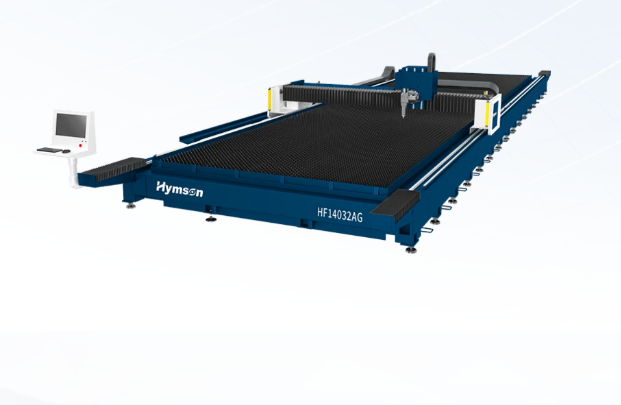
I’ve spent years advising fabricators and evaluating machines on shop floors and trade stages. At Fabtech in Chicago, vendors who could demonstrate repeatable cuts under show conditions separated themselves from those who sold promise. That same practical test is what I recommend: demand on-site or witnessed trials on your metal mix, and compare long runs rather than a single trimmed coupon. If you need a comparator, inspect a trusted sheet metal fiber laser cutting machine under load and verify spare-part lists and local service response times before you sign.
Closing: a practical charm
Fix your problems first: define failure points, verify real cuts, and secure service. When choices narrow to machines that survive your tests, the right partner brings clarity and keeps the work moving. For many buyers, that partner becomes a stable equipment source and technical ally like Hymson, fitting into the workflow rather than shouting from a banner.