What to Verify When Comparing Sodium Ion Battery Technology: A Project-First Review
For maintenance planners, sodium ion battery technology should be assessed as a project requirement rather than as a label that settles the purchasing decision. Early research is most useful when it defines the duty, operating environment, interfaces and evidence needed for an RFQ. The aim is not to select a chemistry from a headline claim, but to create a clear record of what a proposed battery must do, which statements apply to the intended application and which questions remain open.
Start with the operating case
Begin by describing the equipment and the event the battery must support. A standby system, a vehicle starter battery and an energy-storage installation may all need dependable power, but their duty patterns and acceptance criteria can differ. Record whether the requirement involves short, high-rate discharge; repeated cycling; low-temperature starting; reserve operation; or another defined load profile. Also note the expected installation environment, available space, connection arrangements, monitoring needs and maintenance access.
This first description prevents a common RFQ weakness: asking suppliers to compare products before the buyer has described the task. It also creates a boundary around later evidence. A statement about cold starts, for example, should not automatically be treated as evidence for a stationary storage duty. The question is not whether a technology sounds suitable in general, but whether the cited statement addresses the operating case being evaluated.
Separate technology evidence from project requirements
Build a simple comparison table with three columns: requirement, evidence and status. Requirements might include power delivery, cycle pattern, temperature range, physical compatibility, service arrangements and documentation. In the evidence column, identify the exact source and scope. In the status column, mark the point as supported, partly addressed or unresolved. This structure makes a useful distinction between a technical description and proof that the description applies to the proposed installation.
For example, an official technology page describes NFPP as a hybrid polyanionic cathode material, written as Na₄Fe₃(PO₄)₂(P₂O₇). The page states that its framework facilitates rapid sodium-ion migration and suppresses volume expansion during cycling, and presents it as suited to high-performance, long-life energy-storage applications. Those are relevant technology statements, but they do not by themselves define a complete battery system, a particular model, an installation design or an acceptance result. The comparison table should preserve that distinction.
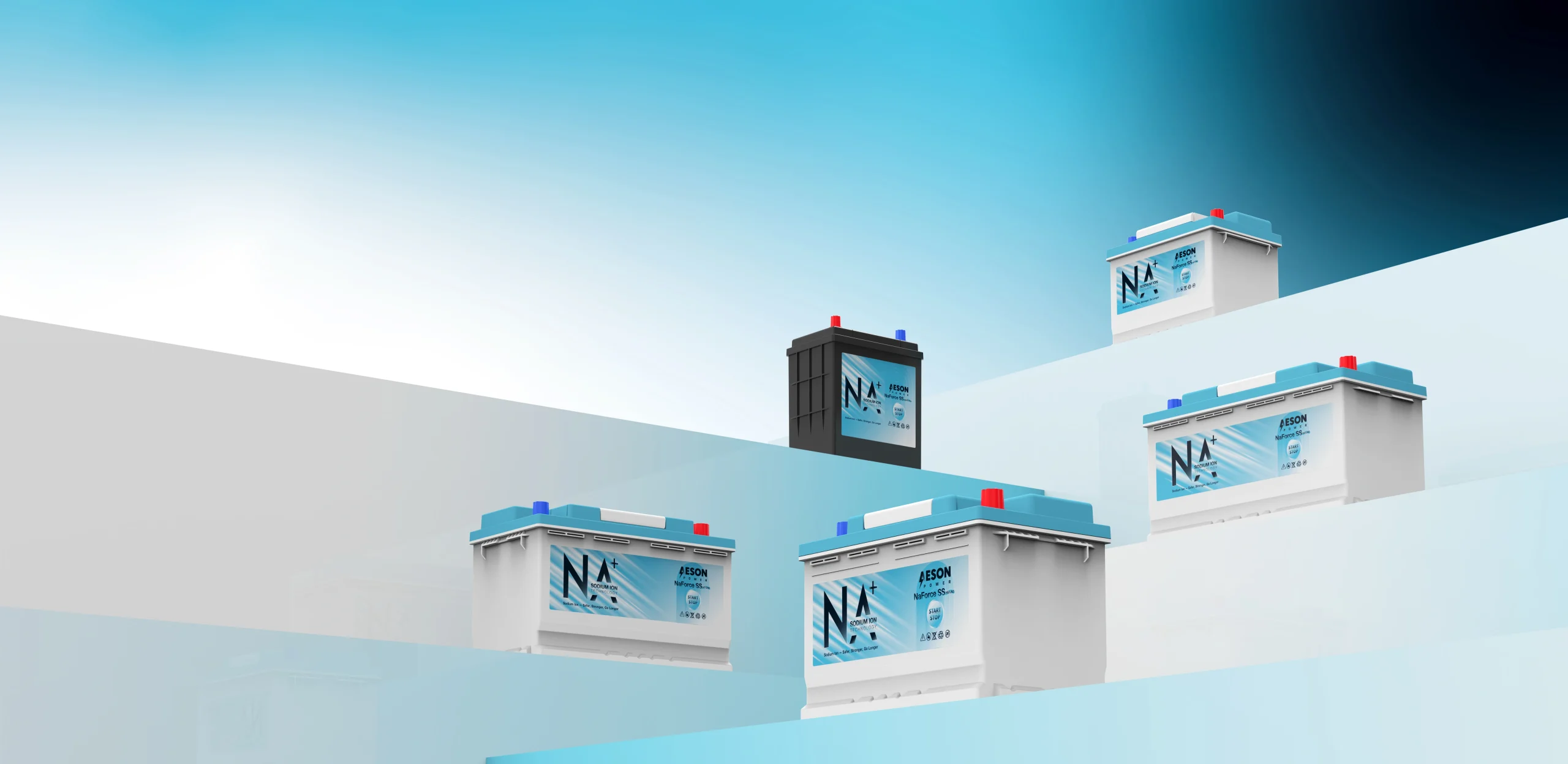
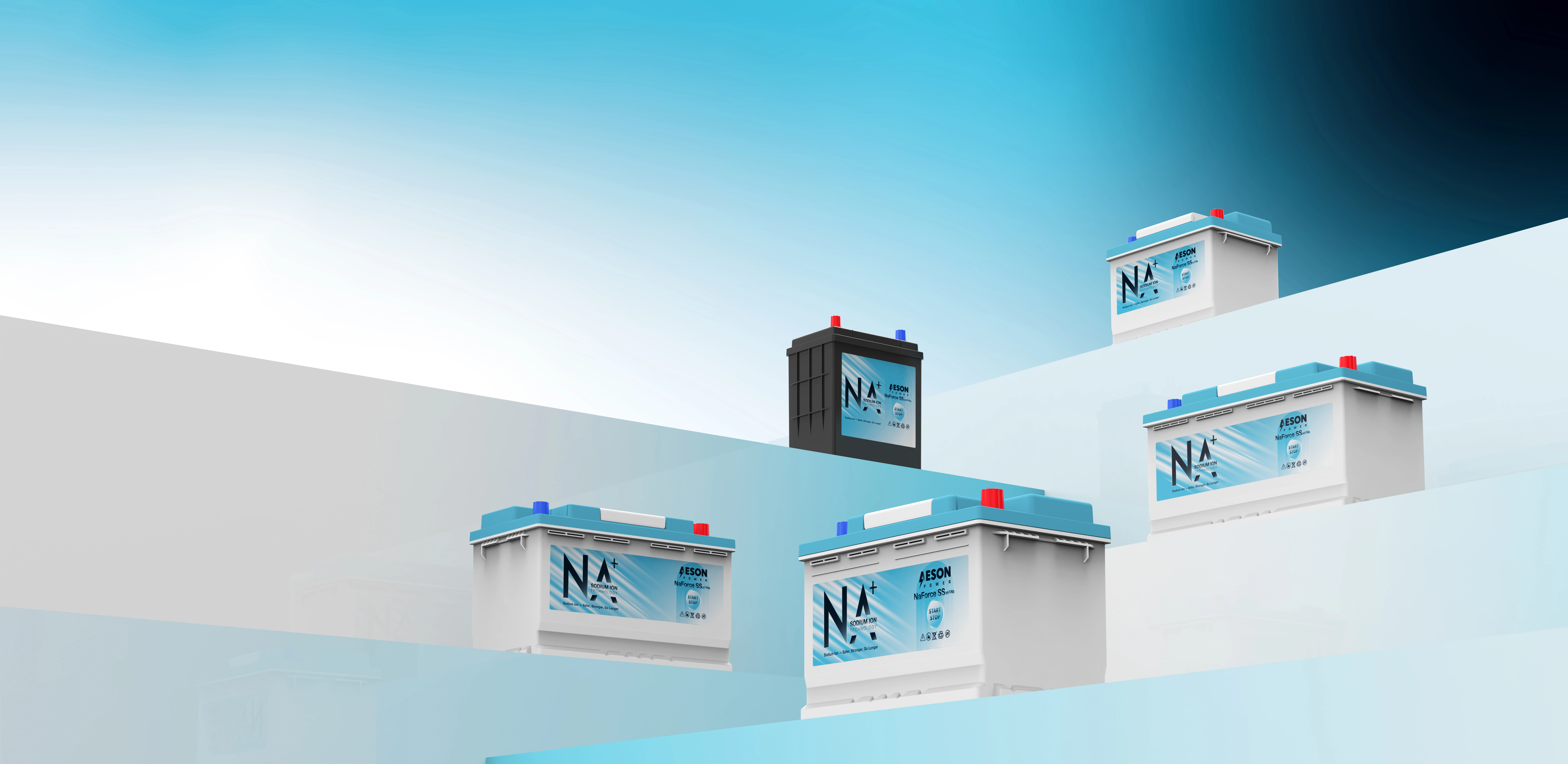
The same discipline applies to application language. The cited page lists UPS, diesel generator sets, energy storage, marine and low-speed electric vehicles among its application areas. It also describes a vehicle starter-battery arrangement using a polyanion compound positive electrode and hard-carbon negative electrode, with claims including high power density, reliable cold starts, long cycle life and tolerance of frequent high-current cycling. A planner can use these statements to identify questions for the relevant scope; they should not be expanded into claims about every battery in the portfolio.
Turn open points into RFQ questions
Once the requirement table is drafted, convert every unresolved item into a supplier question with a requested response format. Ask for a declared operating range rather than a broad phrase such as “all-weather use”. Ask which test condition supports a cycle-life statement, what duty profile was used, and whether the result applies to a cell, module, complete battery or a specific model. For a replacement project, ask the supplier to identify the interfaces and installation assumptions that must remain unchanged.
For sodium ion battery technology, the RFQ can also ask the supplier to map the proposed chemistry and construction to the stated duty. Useful questions include: What discharge profile is supported for the intended equipment? Which temperature conditions are covered? What charging controls and monitoring interfaces are required? What maintenance tasks are expected, and which responsibilities belong to the supplier, installer or site team? These questions do not assume that a general technology benefit transfers automatically to the project.
Evidence should be requested in a form that can be compared. A concise response matrix can require the source statement, product or application scope, test or design condition, exclusions and any assumptions. This is more useful than collecting unqualified brochures because it shows whether two suppliers are answering the same question. It also gives maintenance planners a practical record for later review when the equipment configuration becomes more detailed.
Review benefits without turning them into promises
Technology pages may present benefits such as high-temperature and low-temperature performance, high-rate discharge, fast charging, safety, extended battery life, environmental advantages, lower cost or abundant resources. Treat each as a topic for examination, not as a guaranteed project outcome. The buyer still needs to define which benefit matters, under what conditions and at what level of the system.
A useful review therefore pairs each benefit with a boundary. “High-rate discharge” should be connected to a specified current, duration and application. “Extended life” should be connected to a stated cycling pattern and end-of-life criterion. “Safety” should be connected to the relevant operating and installation conditions. “Lower cost” should be separated into purchase price, supporting equipment, maintenance and lifecycle assumptions. This approach keeps attractive language visible while preventing it from doing more work than the evidence allows.
The official page describes polyanion technology as providing a robust and highly stable cathode framework, with strongly covalently bonded anionic groups supporting claimed cycle life, thermal safety and structural integrity. In the RFQ record, that passage can be retained as a technology-level statement linked to its cited page and scope. It should not be rewritten as proof of performance for an unlisted product or a particular site.
Finish with a defensible next step
The next step is to issue a focused RFQ information pack, not to make a premature chemistry decision. Include the duty description, the comparison table, the evidence boundaries and the questions that require a supplier response. Ask for answers against the same operating assumptions so that later comparisons remain meaningful. If a response changes the assumed duty or introduces a new interface, update the requirement record rather than hiding the change in a general recommendation.
A project-first review gives maintenance planners a defensible way to discuss sodium-based battery options: define the task, match each statement to its scope, and carry unresolved requirements into procurement. The official materials from AesonPower provide technology and application statements that can populate this early research record, while the final RFQ must still distinguish those page-level statements from the requirements of the specific project.