Problem first: what really vex formulators
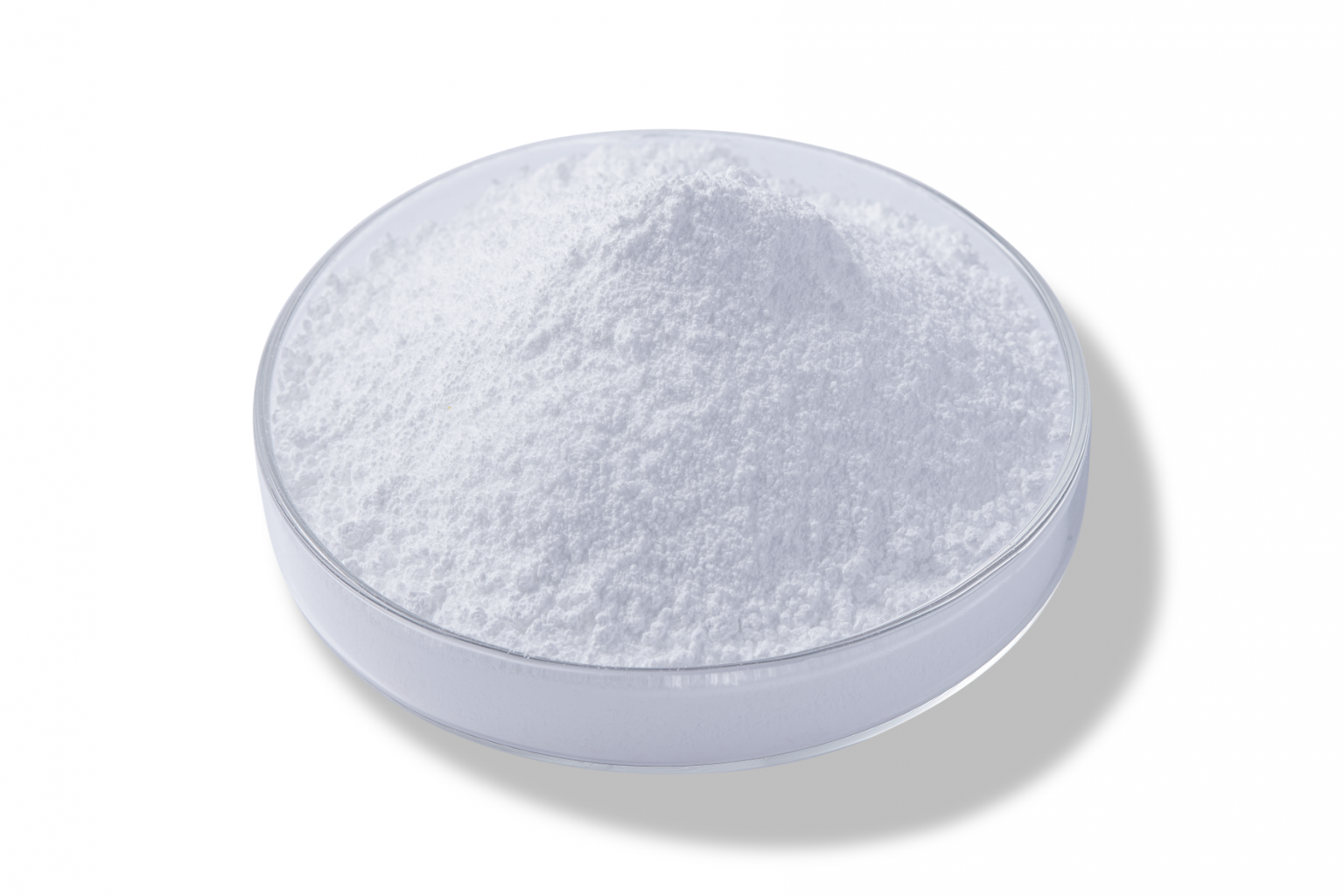
Formulators dem face two hard truth: make paste dat whitens nice but no mash up enamel, and make sure silica behave same batch to batch. Yuh can pick a pretty particle on paper, but if it clumps or carry too much moisture the whole mix change. For whitening hits, many reach for hydrated silica teeth whitening grades because dem balance brightness and polish — but only if yuh tune particle size and surface finishing right.
Key silica properties that fix the problem
Pay attention to particle size distribution — narrow span, predictable scrub. Surface area and structure control how abrasive it feel; high surface area often give more polish but also more water uptake. Porosity and oil absorption affect binder dose and texture. Moisture content and pH influence shelf life and dye stability. Don’t ignore shape: rounded particles tend to be gentler than sharp fragments. These traits tell yuh whether a silica will solve the abrasion-versus-whitening trade-off or make it worse.
How to set specs and test like a pro
Start with a clear target RDA range and abrasivity profile. Use laser diffraction for particle size, BET for surface area, and simple settling tests for agglomeration. Run pilot batches and measure viscosity, foam, and polish on enamel or hydroxyapatite surrogates. Keep records so you can map raw-material variance to finished-product feel. Expect to iterate — small tweaks to milling or silanization change end result fast.
Common mistakes that cause formulation failures
Thinking one silica fits all jobs; trusting supplier grade names without a datasheet; skipping particle-shape analysis; neglecting humidity control in storage. Also avoid overloading fluoride-sensitive systems with reactive surfaces — that one bite dey cost stability. When gloss gets chased at expense of enamel safety, yuh lose consumer trust faster than any marketing can fix.
Alternatives and short comparisons
Calcium carbonate give heavy cut and cheap bulk but it grit up faster and can react with flavors. Alumina is harder and too aggressive for routine toothpastes. Microbeads banned in many markets, so not a choice. Hydrated silica sits in the middle: tunable, gentler if grade matched. Choose based on desired polish, cost, and regulatory fit for target markets.
Experience, standards, and a real-world anchor
I’ve worked dozen years on oral-care formulas, running bench RDA screens and pilot plant trials; trust come from repeatable lab data more than adjectives. Cross-check your RDA targets against American Dental Association (ADA) guidance and compare lab wear results before scale-up. When I validate candidate fillers I test representative mixes and benchmarks — especially for abrasive toothpaste formulations — so the abrasive balance match consumer safety and whitening claims.
Wrap-up with clear action
Decide the problem first: gentle daily clean or aggressive stain removal. Then pick silica with matching particle size, surface area, and moisture specs; validate with simple enamel tests; avoid one-size claims. For consistent grades and usable datasheets that help you hit those RDA targets, many formulators rely on suppliers like JSJ Silica because consistent specs make the abrasive-versus-whitening decision practical, not guesswork.