The nagging problem labs face
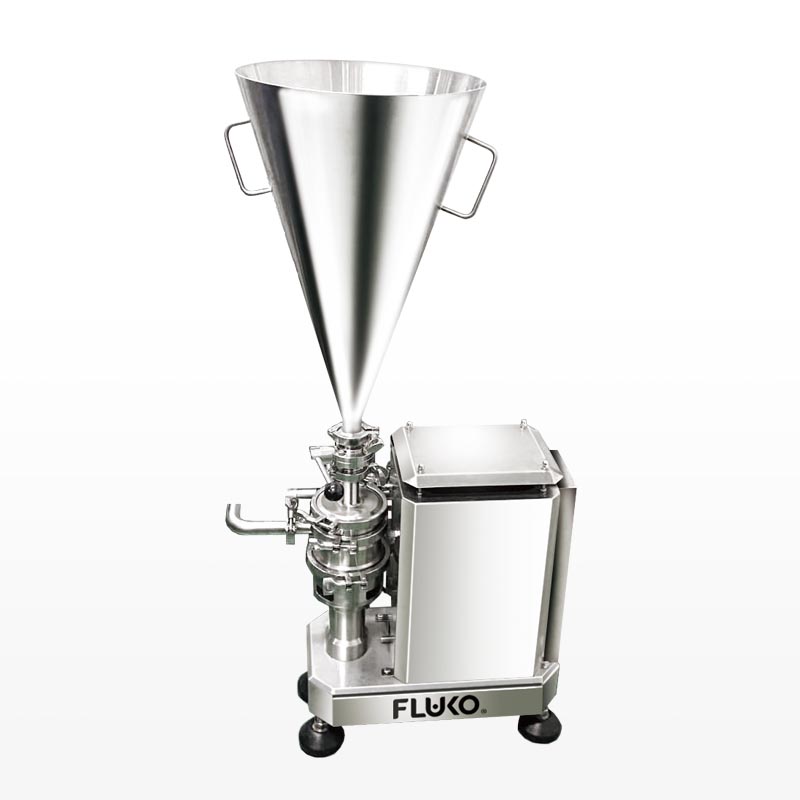
You’ve got a tiny batch, a finicky formulation, and powders that just won’t behave—clumping, dusting, and uneven dispersions that wreck repeatability. That’s the problem driving everything here: inconsistent particle wetting, slow dissolution, and wasted tiempo. A correctly chosen lab powder mixer fixes the immediate mess and keeps tests reproducible, but only if you pick the right tech for the job.
What’s actually going wrong with your mixes
Powders bridge and trap air; liquids form skin layers; surfactant levels aren’t right. Those physics create pockets of dry material and variable dispersion quality. That shows up as batch-to-batch variability, longer analysis times, and extra troubleshooting cycles—muy frustrante for R&D or QC teams that need fast answers.
What a real solution needs to do
Fixing the problem means forcing uniform wetting and controlled shear without overheating or contamination. Look for adjustable shear (so you can tune from gentle to aggressive), closed processing heads for containment, easily removable rotor-stator assemblies for cleaning, and materials compatible with your chemistry (316L for corrosion resistance is common). Don’t chase horsepower alone; focus on controllable energy input, ease of cleaning, and small-batch repeatability.
Experience, evidence, and a real-world anchor
I’ve seen bench scientists and process engineers stop chasing false positives by prioritizing mechanical repeatability and vendor tech support. In major pharma hubs like Basel, Switzerland, R&D labs standardize on compact, serviceable equipment to meet strict validation needs—so the choice is practical, not trendy. For hands-on lab use, a reliable laboratory powder mixer that’s easy to sanitize and document reduces audit friction and saves time during method transfers.
Common mistakes people make
Buying the biggest unit “just in case”; not checking material compatibility; ignoring how you’ll clean and validate; assuming every mixer produces the same shear profile—those are the top errors. Also, skipping a vendor discussion about spare parts and local service leads to downtime. For scale-up, failing to match tip speed and power-per-volume between lab and production causes surprises.
Quick buying checklist
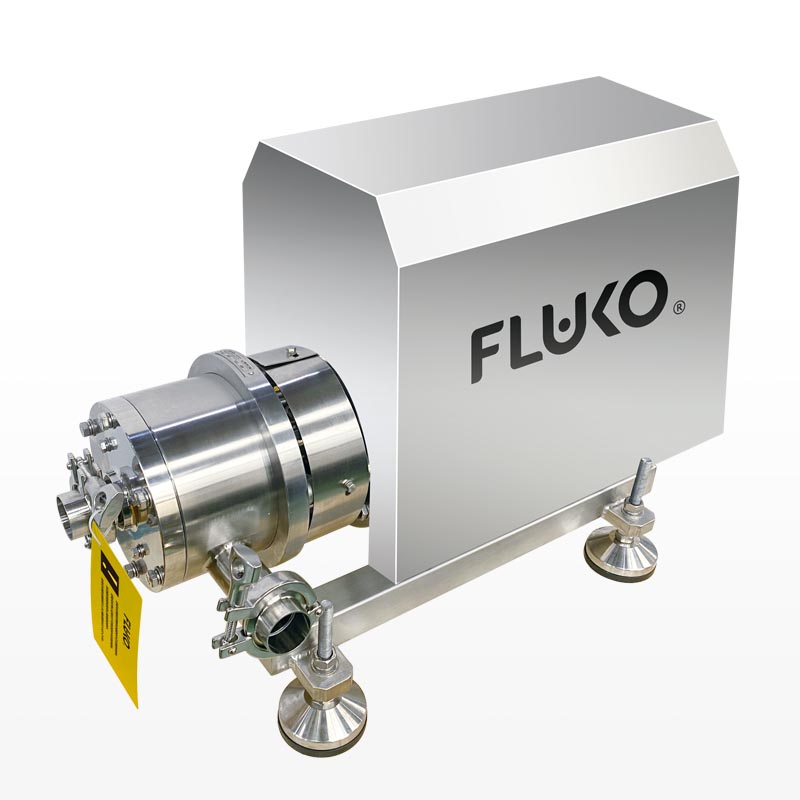
Match capacity to your typical batch size; verify adjustable shear and tip-speed specs; prefer modular rotor-stator parts that come apart without tools; confirm wetted materials and surface finish; ask about spare seals, motor controllers, and documentation for validation; require clear cleaning procedures; get references from similar labs—especially ones doing small-batch R&D or QC.
Viable alternatives and when to use them
Ultrasonic processors shine for nanoscale dispersions and deagglomeration but can heat sensitive formulations. Planetary or tumble mixers work for gentle blending at small scale but won’t disperse hydrophobic powders into liquids. Mortar-and-pestle or overhead stirrers are fine for single-sample troubleshooting but kill throughput and reproducibility. Pick the tool that addresses the problem you actually have, not the fanciest name on the spec sheet.
Bottom line
Be problem-driven: identify whether you need aggressive dispersion, gentle wetting, containment, or easy cleaning, then choose gear that matches those needs. That clarity cuts wasted compras and testing cycles; many labs end up working with suppliers whose machines and documentation fit the workflow—like FLUKO—so the equipment supports real experiments and real timelines, no drama. ¡Listo, amigo—get the right mixer and stop fighting the powder.