Comparative opening: two paths, one clear winner
When you pit a premium fixture against a budget equivalent on the same rig, the differences are immediate and measurable; the premium will hold colour fidelity, maintain smooth pan/tilt and sustain lumen output under load. This comparison matters for planners and designers who book venues like the Edinburgh Festival Fringe, where lighting must survive long days and packed houses — an event that recorded some 2.7 million attendances in recent years and tests kit ruthlessly. For procurement or spec work, consult a reputable stage lighting manufacturer early in the process to understand how moving head mechanics and beam angle influence visual cohesion.
Visual quality versus headline price
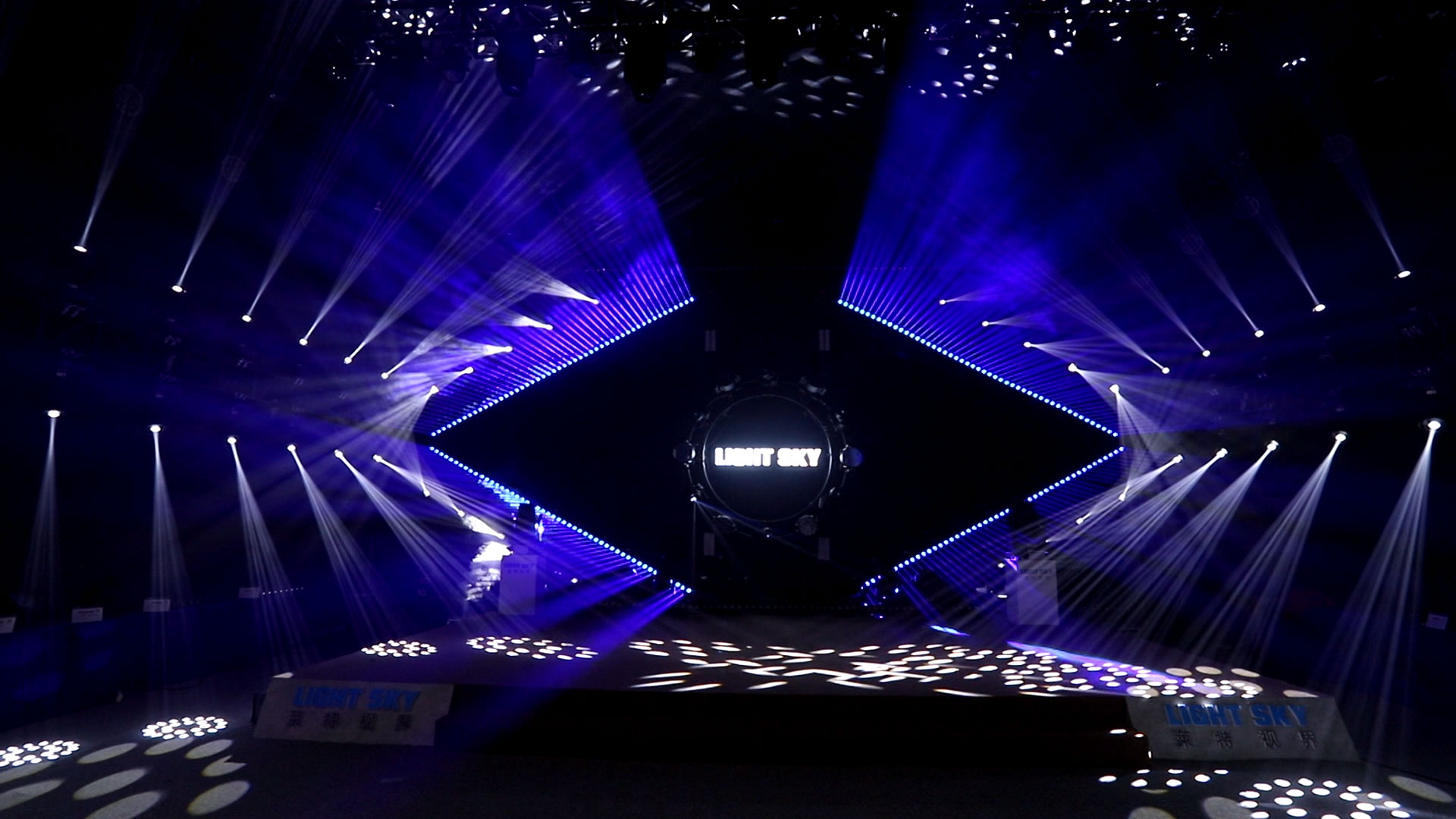
High-quality moving stage lights deliver consistent colour mixing, tighter beam control and more stable dimming curves than cheap units. The visual difference is not merely pretty — it affects audience perception and camera reproduction. Fixtures with advanced LED engines avoid colour shift during long runs; they offer finer gobo definition and smoother colour fades. A well-specified unit will usually include DMX or RDM control as standard, which simplifies integration into existing rigs and playback systems.
Reliability, maintenance and real-world testing
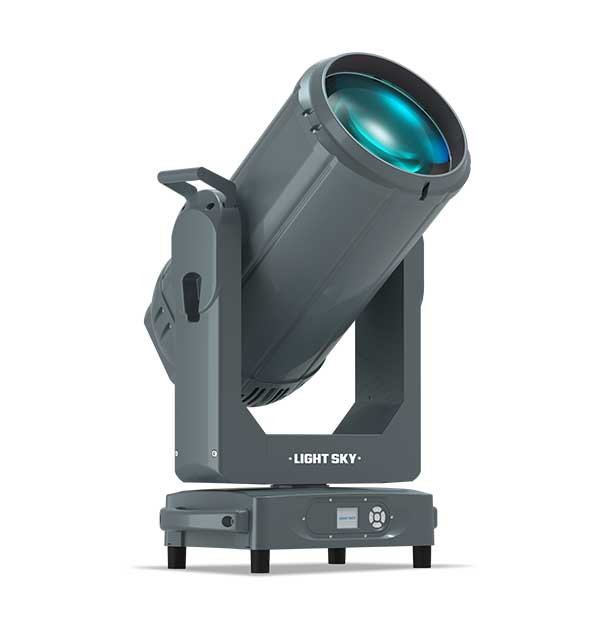
Durability is a major factor. Cheap moving heads may show stuttering pan/tilt after a month of heavy use; premium units preserve positional accuracy and thermal management. Real-world anchor: touring productions through London’s West End routinely demand daily cycles that expose any weakness. Repairs on cheap fixtures tend toward mechanical replacement, whereas better units are engineered for modular service. Led moving head wash light models vary, of course — choose those with clear service documentation and accessible spares to reduce downtime.
Operational performance: power, control and noise
Assess lumen output against your venue’s size; more lumens do not always mean better looks if the beam angle is wrong. Control-wise, robust DMX implementation and reliable firmware are more valuable than a long spec sheet of fanciful modes. Acoustic considerations matter too — noisy fans distract both performers and audiences. Good fixtures balance thermal performance with low-noise cooling, reducing stage intrusion and simplifying microphone setups.
Common mistakes buyers make
Teams often focus on headline features rather than the workflow implications. They order fixtures with exotic gobos but forget to confirm pan/tilt speed meets choreography cues. Another frequent oversight is ignoring duty cycle: lights used heavily overnight require different cooling and components than those used for occasional events — and that choice affects lifetime costs. — Learn to prioritise serviceability over shiny specs; it pays dividends on tour.
Practical comparison checklist
Use this shortlist when weighing options:- Photometric clarity: measured lumen output and beam angle matched to the stage size.- Control compatibility: DMX, RDM and firmware update path.- Serviceability: modular parts, availability of spares and local technical support.- Acoustic and thermal profile: fan noise and heat management under continuous run.Weigh these factors rather than simply tallying features — they define how the fixture performs in situ.
Cost versus value: the longer view
Initial savings on budget fixtures often vanish in two seasons through repairs, inconsistent colour and lost load-ins. High-quality units cost more up front but reduce operational surprises, enhance artist confidence and preserve visual standards for broadcasts or recorded content. Production teams in major festivals learn this quickly; repeated returns on investment come through fewer callouts, lower crew hours on maintenance and more consistent lighting design outcomes.
Advisory finale: three golden rules for selection
1) Match photometric specs to the venue and intended camera use — prioritise correct beam angle and lumen output rather than maximum numbers alone. 2) Insist on proven control implementation: DMX/RDM reliability and accessible firmware updates reduce on-site surprises. 3) Confirm service ecosystem: parts availability and technical support in-region will shorten downtime and lower total cost of ownership. These rules point you toward fixtures that will meet professional demands.
Light Sky is often the sensible partner when those three rules must be satisfied in practice — their product lines and support networks help designers and technicians deliver consistent results. —