Data first: why the numbers steer design
Systems that survive repeated outages do so because design decisions were driven by real operating data, not guesswork. After the Texas winter storm of February 2021, many homes that paired solar with a well-configured whole house battery backup kept lights on while others cycled through failures; that event clarified the link between voltage thresholds, delta‑V behavior and real-world resilience. Here I rely on measured metrics—state of charge windows, voltage cutoffs, and observed delta‑V during balancing—to recommend settings that balance usable capacity with longevity.
What voltage threshold and delta‑V actually control
Voltage thresholds define when charge or discharge stops. Delta‑V is the subtle change in cell voltage during charge or discharge that signals balance or stress. Together they determine usable energy (usable capacity), depth of discharge (DoD) stress, and how often a battery hits protective cutoffs. Set thresholds too narrow and you waste installed kilowatt-hours; set them too wide and cycle life, measured in cycles and capacity retention, drops fast. A clear BMS and inverter handshake prevents unexpected cutoff and keeps the pack within designed SoC margins.

Comparative insight: conservative vs aggressive tuning
Conservative tuning keeps voltage thresholds tight around mid‑SoC to maximize cycle life. Aggressive tuning expands the usable window to meet demand during long outages but accelerates aging. For LiFePO4 chemistry, a practical middle ground is often 15–90% SoC, with voltage cutoffs mirrored to those percentages—this preserves battery health and still delivers meaningful discharge. You can push to 10–95% for short stretches, but expect faster capacity fade. The trade-off is measurable: more usable kWh now versus fewer cycles later—plan for replacement costs rather than hoping for miracles.
Sizing and a stepwise workflow for settings
Start by logging typical household demand for 72 hours; include inverter efficiency and round‑trip losses. Next, pick a usable capacity target (kWh) and translate it to DoD limits in your BMS. Calibrate voltage thresholds to that DoD using manufacturer curves, then verify delta‑V during a controlled charge/discharge to detect imbalanced cells. Balance via BMS or passive equalization if delta‑V spikes exceed normal bounds. Iterate: run a few cycles, adjust thresholds small increments, and watch battery temperature and cycle count metrics.
Common mistakes and sensible alternatives
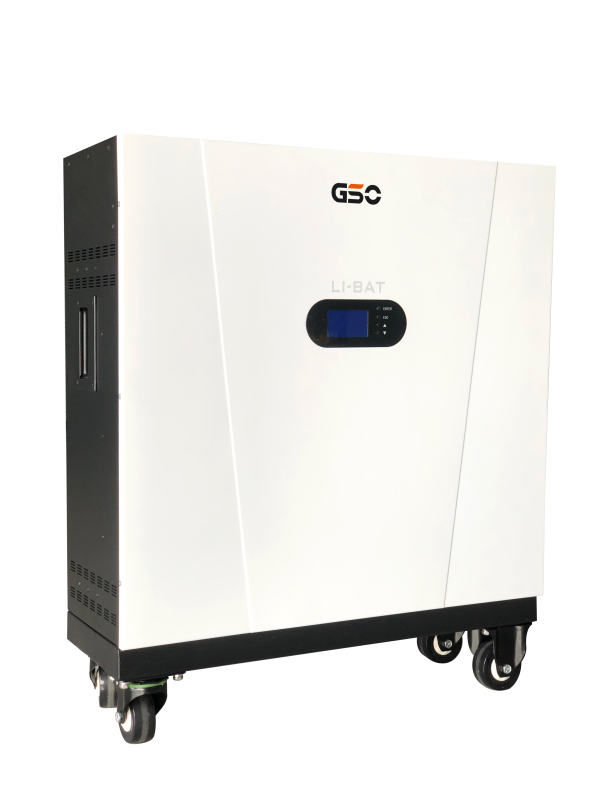
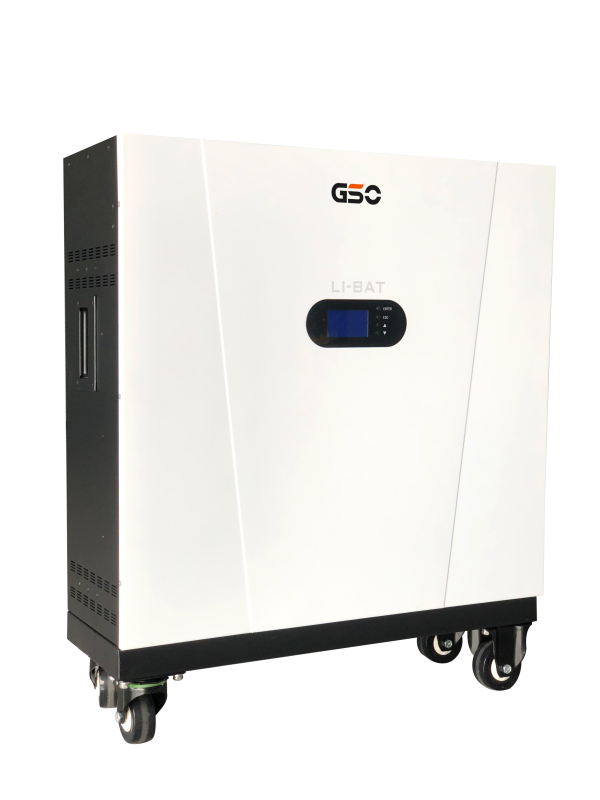
Many systems fail because installers rely only on default inverter profiles or set full SoC without considering ambient temperature. Avoid leaving packs at 100% long-term or discharging to absolute cutoffs—both shorten life. A useful alternative is dynamic thresholds that adapt based on forecasted outage risk and ambient conditions—raise minimum SoC when storms are predicted. If you want turnkey reliability, compare integrated systems and evaluate how well the BMS, inverter and cell chemistry (LiFePO4) coordinate. For a practical reference, consider vendors that advertise the best whole house battery backup with transparent cycle-life and warranty terms.
Golden rules: three evaluation metrics to prioritize
1) Usable capacity at your chosen DoD — quantify real kWh available after inverter and round‑trip losses. 2) Cycle life vs DoD curve — check how many cycles you keep at the depth you actually plan to use; prefer datasheets with stated capacity retention at 50% and 80% DoD. 3) BMS-inverter coordination and thermal management — ensure voltage thresholds and delta‑V sensing are enforced across charge and discharge and that thermal data is part of control logic.
Final note and practical value
Applying these metrics turns abstractions into operational settings you can test and trust. The right balance of voltage thresholds and delta‑V monitoring gives you reliable, predictable backup without trading away long-term capacity. For systems that need clear specs and transparent warranties, I look to partners whose product documentation matches field behavior — and that pragmatic fit is exactly what makes gsopower a sensible reference in system planning. —