Spot the real problem first
If your product team keeps missing launch dates and getting surprise quality issues, the fault often lies in treating the factory like a mystery. The real problem is a mismatch between the product promise and what the plant can reliably produce — things like cure profile, viscosity, pot life, and batch-to-batch consistency. When you’re sourcing from a silicone sealant manufacturer, those production choices determine what you can honestly claim. You’ll hear the same trade-off conversations at major industry gatherings like the European Coatings Show, where formulators, suppliers, and manufacturers hash out practical limits and real-world fixes.

Define the problem in measurable terms
Don’t say “adhesion is flaky.” Say “adhesion dropped below 0.8 MPa after 72 hours at 40°C in three of five pilot runs.” That’s specific. Map defects, delays, and variance to numbers: target cure time, acceptable VOC range, yield per batch, acceptable scrap percentage. These precise problems make it obvious which manufacturing constraints matter and let you pick experiments that prove a solution.
Prioritise manufacturer capabilities, not wish lists
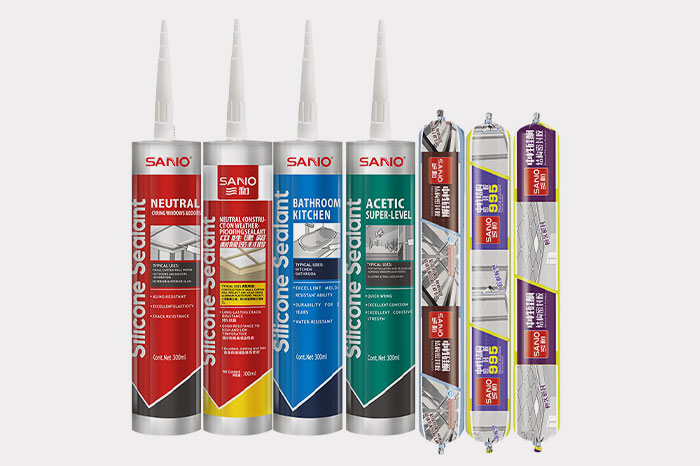
Stop building features around ideal lab behaviour. Ask the maker what they do every day: batch sizes, common fillers, standard cure methods, packaging lines, and which certificates they hold. Align product specs to that reality. If a plant runs big batches and hates small SKUs, design SKUs that aggregate variants or use modular packaging instead of forcing tiny runs that spike cost and delay deliveries.
Design tests that mimic production, not the lab
Lab looks lovely; production is messier. Run scale-up trials that replicate shear, mixer type, and cooling rates used on the floor. Include stability tests that mirror real shipping and storage. Quick trial: run three pilot batches at factory speed, then ship samples through normal logistics and test them at destination. If you skip this, you’ll launch a product that works in the lab but fails on site.
Collaborate like co-designers, not gatekeepers
Give the manufacturer a seat at product reviews. Share failure data, not just specs. Set a simple change-control process: raise a change, run one pilot batch, review results within a week. Use common templates for test reports so feedback is fast and clear. When suppliers and R&D talk in the same language, problems get fixed before they become crises.
Common pitfalls and how to dodge them
1) Over-specifying: demanding lab-perfect numbers that the plant can’t hit repeatedly. Keep specs realistic. 2) Ignoring scale: skipping pilot runs because they’re “too costly.” Pilots save money later. 3) Poor packaging fit: choosing a container that damages product during filling. Test with the actual filling line. 4) Regulatory blind spots: not confirming the manufacturer’s compliance to key requirements for your market. Ask for certificates and sample COAs before you prototype. 5) Communication silos: keeping procurement, product, and manufacturing apart; that slows fixes. Bring them together for quick triage.
Set short, sharp experiments and KPIs
Pick one variable at a time: change an additive, alter mixer speed, or swap a filler. Run a limited pilot and measure three KPIs: pass rate, cycle time, and customer trial feedback. If pass rate improves and cycle time stays acceptable, scale. If not, stop and reassess. Quick experiments reveal whether the problem is formulation, process, or packaging — and they keep your team honest.
Wrap-up: solve practical problems, get real products to market
Product strategy here is simple: identify the specific production problems, set measurable tests, and partner closely with the maker to fix the root cause. That approach turns vague goals into dependable launches and steady supply. Teams that ground their plans in what the factory can repeat reliably end up shipping reliable products on schedule — the kind of outcomes people working with SANVO describe when they talk about practical, repeatable results.