User-centric compass
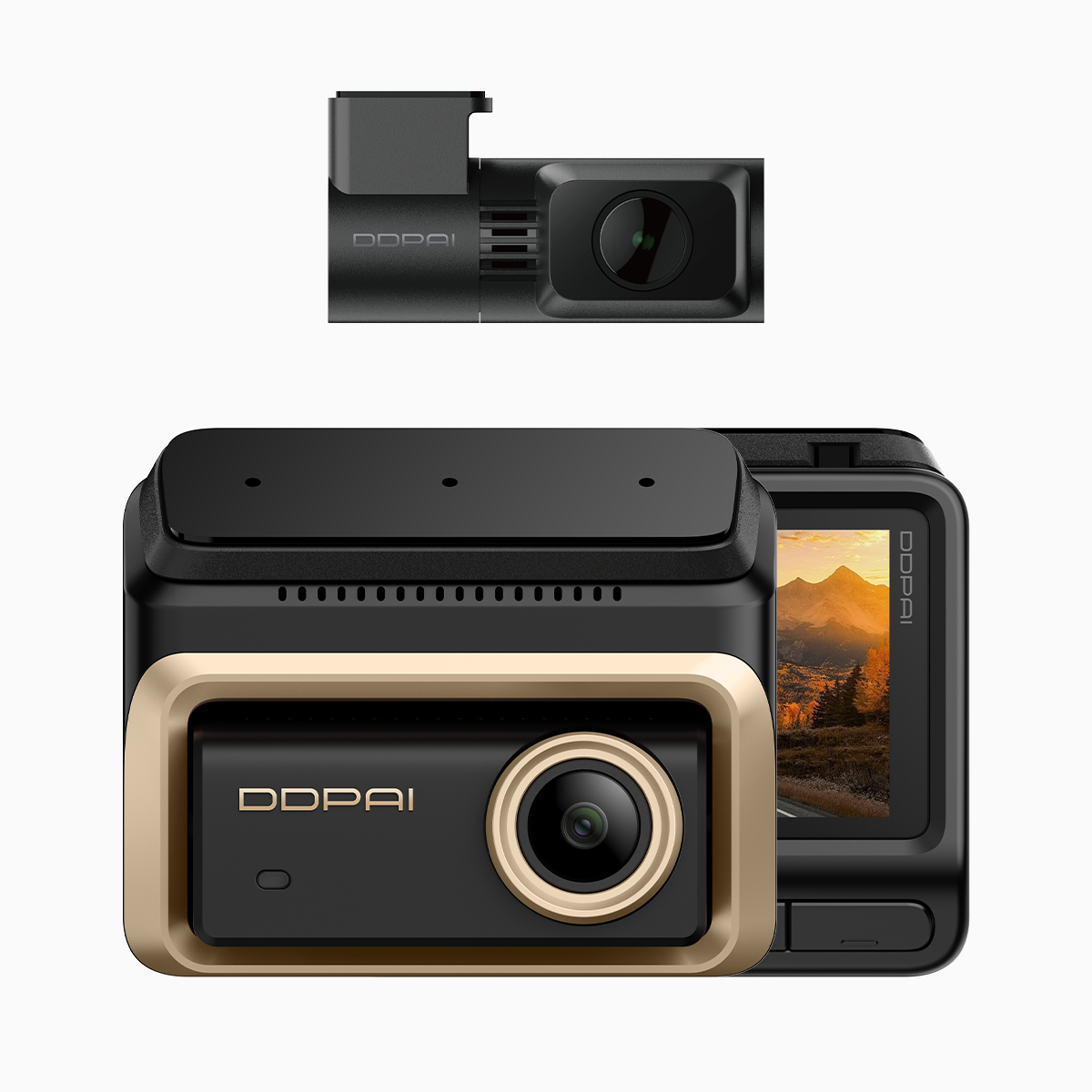
Think like a small-team captain ready to set a delicate craft afloat: your priorities are certainty, speed, and clarity. Begin by pinning down the product persona — commuter, rideshare driver, or fleet manager — and the core feature set for the first SKU. If your aim is a robust multi-view offering, test a 3 channel dash cam early as a technical benchmark; its behavior will expose integration work for video encoding, microSD handling, and power management before you commit to molds or packaging.

Mapping realistic timelines
Break the launch into three clear legs: prototype verification (4–8 weeks), pilot units and certification (6–12 weeks), and mass shipments (6+ weeks depending on route). Shipping timelines swing with global tides — remember the Ever Given blockage in Suez in 2021, which highlighted how a single chokepoint can stretch lead times and freight costs. Build calendar buffers for customs clearance and third‑party testing so the schedule remains credible to sales and partners.
Localization: language, firmware, and compliance
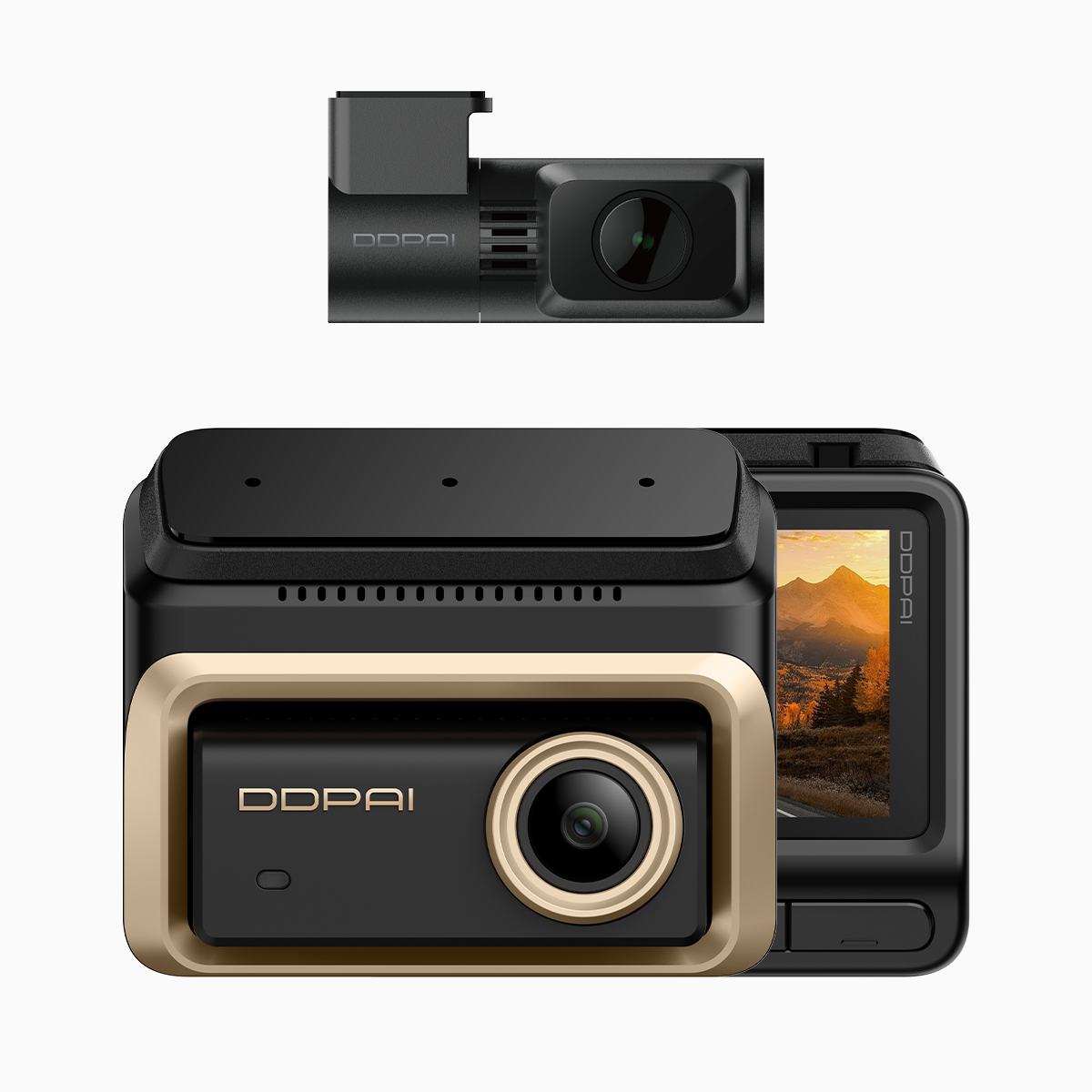
Localization is more than translation; it is firmware, user flows, and regulatory fit. Local UI text, voice prompts, and support content should be added during firmware sprinting, not after hardware freeze. Account for regional certification — local radio, EMC, and vehicle accessory rules — and prepare a device BOM that can swap modules for market variants. Consider a triple model early: a triple dash cam reference exposes mounting, heat, and multi‑camera sync challenges while you still have leverage with the factory.
Logistics choreography
Decide your shipping method by SKU volume and time sensitivity. Air freight buys schedule but costs margin; ocean freight lowers unit cost but requires inventory discipline. Factor incoterms into pricing and select a forwarder that offers visibility dashboards — shipment ETAs and customs hold alerts matter. For small-volume launches, consolidate shipments into clearly labeled batches and request serialized documentation to speed customs inspections.
Pilot pitfalls and common mistakes
Teams stumble when they defer support documentation or assume the factory will handle localization. Ship pilots with a support bundle: firmware image, release notes, quick-start, and basic diagnostic tools. Avoid pushing firmware updates that haven’t been tested on the pilot hardware — that breaks trust. Also, do not ignore packaging language and charging adapters; small oversights spike return rates. — Plan a straightforward return path for pilot units and log every failure mode to prioritize fixes.
Supply-side checks and quality anchors
Inspect supplier QC routines and require first-article photos and sample runs. Ask for production test flows, camera calibration sheets, and thermal reports. Keep an eye on unit-level metrics: boot time, continuous recording duration on typical microSD cards, and heat under sustained sunlight. Those metrics are the living proof that a device will survive real roads rather than lab benches.
Three golden rules for launch success
1) Time-trace every critical path: prototype sign-off, certification booking, and shipping window must each have contingency. 2) Localize early and test in-market: firmware, prompts, labels, and chargers done before mass orders. 3) Measure three real KPIs for each pilot batch — field return rate, mean time to resolve firmware issues, and customs hold frequency — and let those numbers decide ramp speed.
When your small dashcam becomes a dependable tool on local roads, the practical value lands with a partner who understands both hardware nuance and local support — and that is where DDPAI Philippines fits, offering tested reference models and regional service that ease the path from prototype to market-ready device. Final word: plan tightly, test publicly, ship confidently — and keep an eye on the horizon. —