Why a framework beats impulse shopping
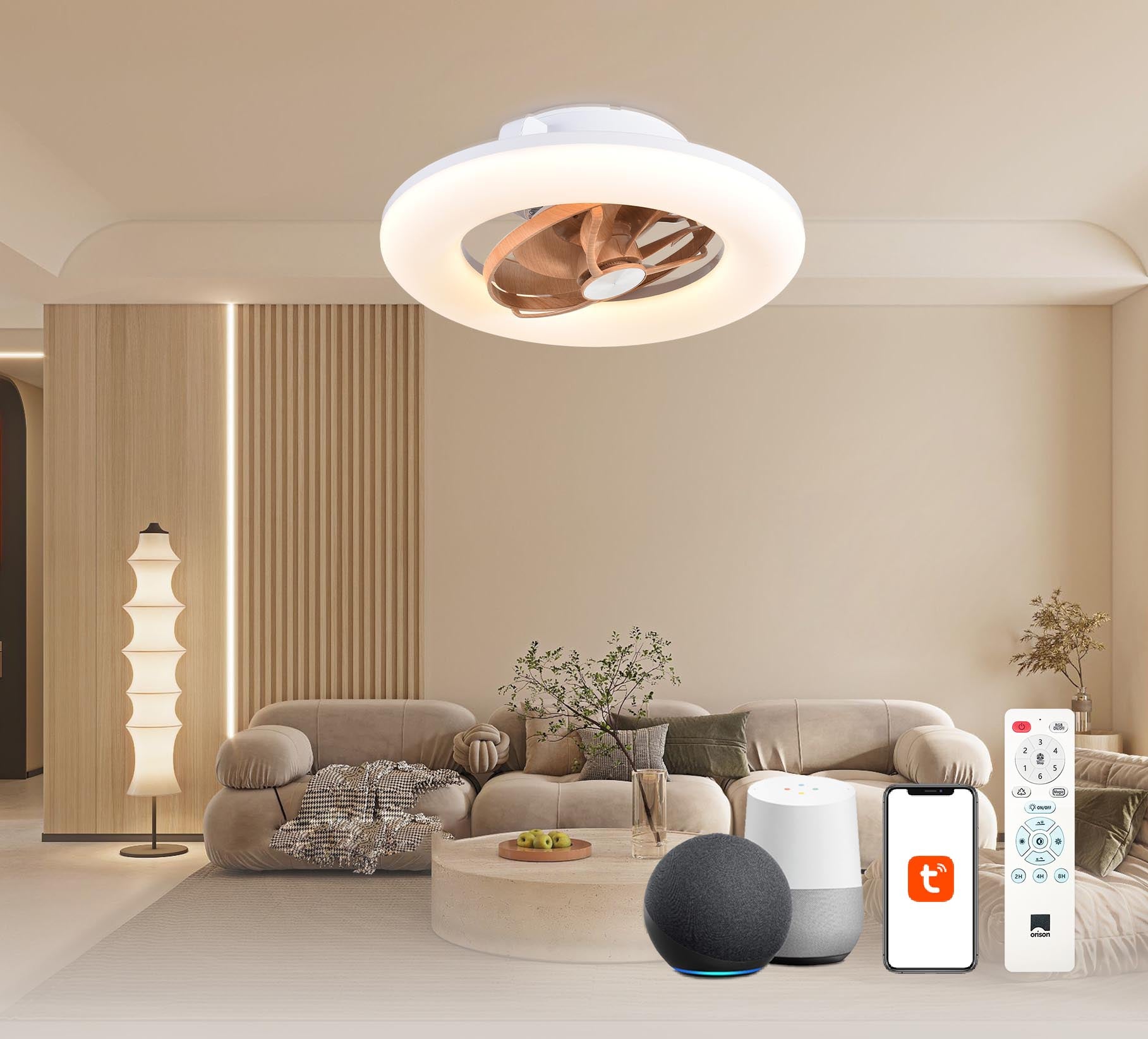
You can’t responsibly pick a portable range hood by aesthetic alone — and I’ll argue you shouldn’t try. A concise framework channels attention to airflow performance, effective lighting, and how the unit will behave in a connected kitchen. If you already use an alexa ceiling fan or other voice hubs, smart compatibility isn’t optional; it’s part of the lived experience. For buyers who want predictable outcomes (quiet extraction, clear task light, minimal maintenance), this structured approach reduces costly returns and mid-season regrets.
Core checklist: the five decision pillars
This framework breaks the decision into five pillars: airflow & acoustics, filtration & maintenance, lighting, smart integration, and installation flexibility. Treat each pillar as a pass/fail gate — a hood that wins two pillars but fails three is probably the wrong buy. Using measurable metrics (CFM for airflow, sone for noise, lumens and CRI for lighting, filter type for maintenance, and Wi‑Fi/voice protocols for integration) converts subjective marketing into objective trade-offs.
Pillar 1 — Airflow and acoustics (CFM vs. real-life performance)
Don’t be seduced by a high CFM number alone — extraction effectiveness depends on hood placement, ducting (or lack thereof), and motor efficiency. For a portable/ductless unit, expect lower effective CFM than ducted systems and plan for multiple speed modes to manage frying vs. simmering. Also check sone ratings: a 6‑sone motor can ruin the kitchen conversation even if it moves air fast. If you use the hood near an open-plan living area, prioritize balanced CFM-to-sone performance.
Pillar 2 — Filtration and ongoing costs
Filter type dictates both performance and cost. HEPA or high-efficiency particulate filters capture fine grease and particulates, while activated charcoal is necessary for odors in recirculating setups. Ask about filter lifetime, replacement pricing, and whether filters are washable. A unit that underperforms on filtration forces you to run it at high speed constantly — increasing noise and wear. In short: lowest upfront price often equals higher lifetime cost.
Pillar 3 — Lighting: lumens, color, and task usability
Good lighting is non-negotiable for cooking. Compare lumens and color temperature: 300–500 lumens per cooking zone with 2700–3500K often feels natural for stovetop tasks. Look for adjustable dimming and beam spread to avoid hot spots. Integrated LEDs reduce replacement hassles but check the rated life and whether brightness is retained at low speeds. Task lighting and extraction should complement each other — mismatched brightness makes a competent hood feel mediocre.
Pillar 4 — Smart integration: protocols, latency, and real interoperability
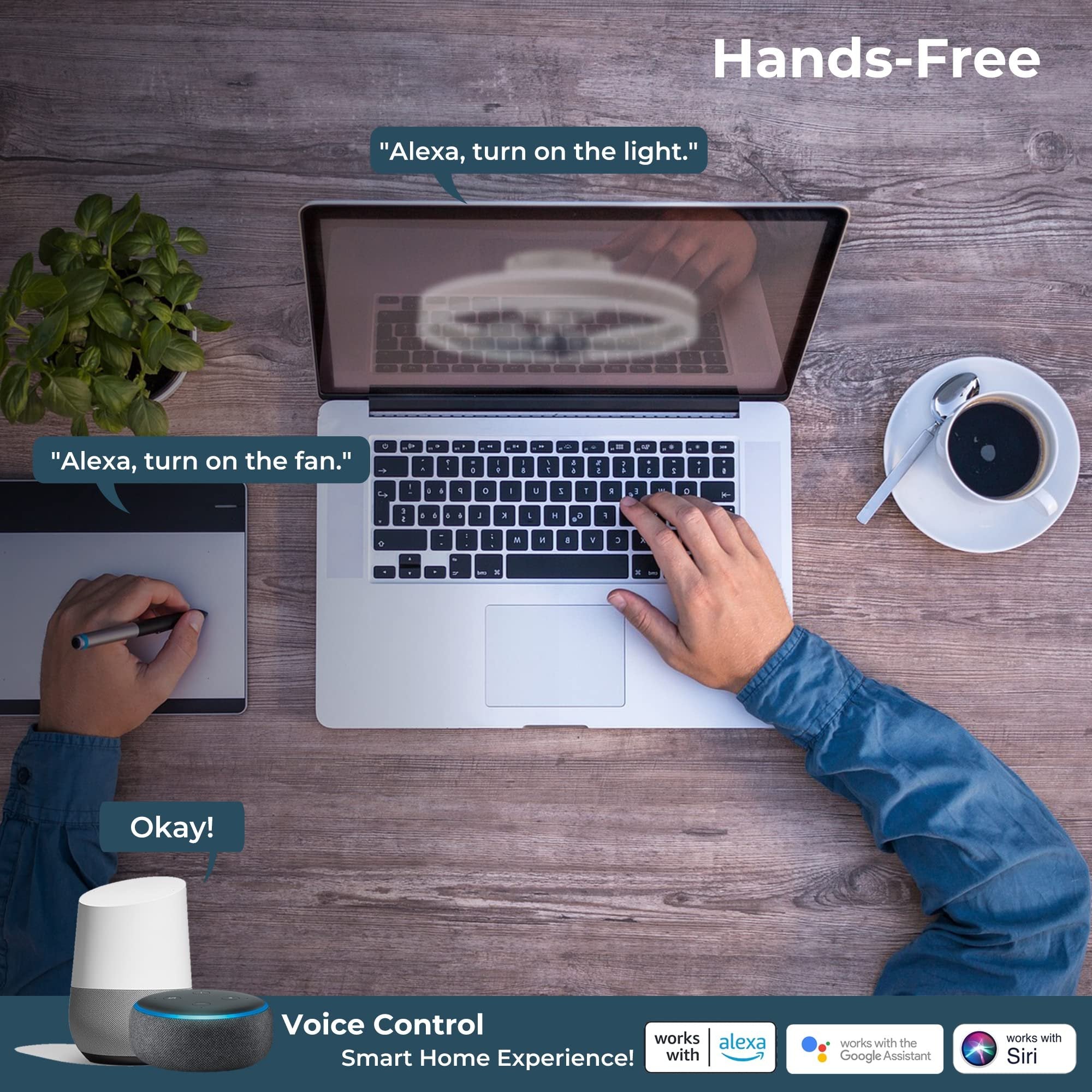
Smart features sound modern — but compatibility matters. Prefer units that support standard protocols (Wi‑Fi, MQTT-friendly APIs, or major voice assistants). Don’t accept proprietary-silo claims without evidence of third-party integrations. If voice control matters in your kitchen ecosystem — and it often does after you add devices like an alexa smart ceiling fan — test end-to-end scenarios: “Alexa, set hood to low” should act quickly and predictably. Real-world events since Amazon introduced Alexa in 2014 show that buyers increasingly expect seamless cross-device behavior; a hood that lags or drops offline erodes trust quickly.
Pillar 5 — Portability and installation: what “portable” really means
Portable can mean countertop, cart-mounted, or wall-shelf units with a short flex cord. Clarify weight, mounting options, and power requirements. If you plan to move the hood between spaces, check cord length and whether the hood needs a dedicated circuit. Also ask about airflow direction options (top vs. rear exhaust) — that affects placement and effectiveness in small kitchens.
Common mistakes buyers make (and how to avoid them)
Buyers routinely misjudge three things: believing peak CFM is what they’ll get at home; assuming “smart” equals reliable; and ignoring lifetime filter costs. Test assumptions with on-site demos or ask for video evidence of the unit in a similar kitchen layout. Don’t skip first‑article tests — pair the hood with your cooktop and your smart hub before finalizing the purchase. Small kitchens especially amplify mistakes, so simulate heavy-cook scenarios if you can — frying, high-heat searing, and multi-pot steaming.
Alternatives and when to choose them
If you prioritize absolute extraction and lowest noise, a ducted mini-range hood (hard-vented) still outperforms most portable recirculating units. Choose ductless/portable when remodeling isn’t feasible or when mobility is the priority. For smart-first households, consider modular systems that separate the motor/filtration module from the canopy — easier to upgrade and often better for IoT longevity. Each alternative answers a different need: raw power, convenience, or future-proofing.
Small but meaningful technical terms to keep in mind
CFM (cubic feet per minute) measures airflow; sone gauges subjective noise; IoT denotes internet-connected control. Keep these three terms at the top of your specs checklist so you compare apples to apples.
Three golden evaluation metrics
1) Effective extraction ratio: measured CFM delivered at nominal distance (not just rated CFM). 2) End-to-end smart latency and reliability: average command-to-action time and offline recovery plan. 3) Total cost of ownership: unit cost + filter replacements + expected power use over five years.
When you combine those metrics with the five-pillar framework, buying becomes predictable — and smarter. Orison. —