Opening: why a data lens changes the sourcing conversation
When you look at isolongifolene through a data-first frame, the decision shifts from “who has stock?” to “who documents purity, batch variance, and analytic controls?” For product teams and formulators, that shift matters: small differences in a sesquiterpene’s impurity profile change aroma, stability, and regulatory classification. The lesson became painfully visible during the 2020 supply-chain disruptions — companies that tracked component-level QC and had secondary suppliers navigated the shock far better than those that didn’t. This piece gives strategic, actionable criteria to evaluate suppliers, production methods, and risk controls for isolongifolene at scale.
Why purity metrics matter (and which ones to ask for)
Purity isn’t just a percentage on a spec sheet. Ask for: GC-MS chromatograms, documented residual solvent limits, and certificate-of-analysis variability across at least three recent batches. These metrics show whether a supplier’s fractionation process consistently isolates the target compound versus yielding mixed terpene fractions. For commercial formulations, reproducibility (batch-to-batch variance) is as important as peak purity — one affects performance, the other affects predictability on shelf.
Supply-chain signals that predict reliability
Track three leading signals: supplier QC cadence, tooling and capacity commitments, and contingency sourcing routes. A company that publishes regular analytical reports and maintains a safety stock strategy is less likely to cause fill-line interruptions. Also consider geographic concentration — heavy regional dependence increases exposure to logistics shocks and raw-material constraints. The 2020 disruptions are a clear real-world anchor here: diversified sourcing and transparent QC were key differentiators for survival and recovery.
Extraction and distillation: what to expect and common pitfalls
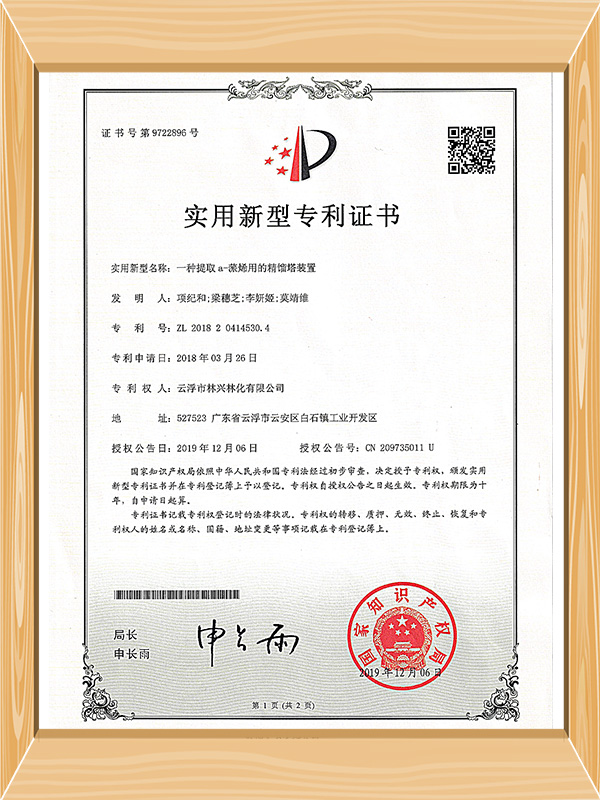
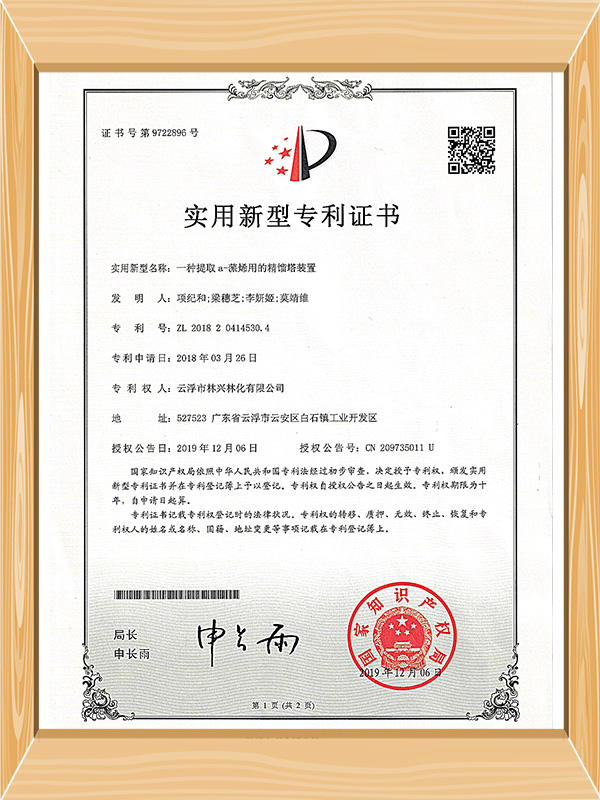
Isolongifolene is typically separated via targeted fractionation after primary steam or solvent extraction. When teams evaluate suppliers, probe for details on fractionation technique, distillation column design, and post-distillation purification steps. A common mistake is assuming “steam-distilled” equals the same quality across vendors — column cut points, reflux ratio, and condenser configuration change the terpene profile. Also watch atomization: inadequate dehydration or poor fraction control leads to heavier olfactory tails in the final product — and that’s expensive to correct on a production line.
Where “distilling turpentine” fits into the workflow
Primary resins and turpentine processing often deliver the initial feedstock for isolongifolene extraction. Understanding how a vendor manages feedstock variability — whether by batch blending, pre-fractionation, or adaptive cut-pointing — matters. If a supplier can demonstrate controlled processes for distilling turpentine and downstream fractionation, you reduce downstream formulation surprises and regulatory complexity.
Comparing production approaches: in-house fractionation vs. tolling
There are trade-offs. In-house production offers tighter control over process parameters and faster iterations on cut-points. Tolling or contract fractionation reduces CAPEX but can add lead time and obfuscate provenance if the toller serves multiple feedstock sources. Evaluate by asking for sample traceability, access to raw chromatograms, and a written escalation path for out-of-spec events. — These practical questions separate marketing claims from operational reality.
Common mistakes product teams make (and fixes)
Teams often skip pilot trials with actual production equipment, underestimate tooling amortization, or accept single-batch COAs without historical context. Fixes: require at least three production-cohort COAs, run pilot fills with the actual formulation, and include an acceptance window for key markers rather than a single-point spec. These steps reduce surprises and help you scale from lab to production predictably.

Alternatives and when to choose them
If absolute highest purity is non-negotiable — for a fragrance hallmark or a specialty active — prioritize partners with analytical labs and ISO-style QA processes. If cost and rapid turnover dominate, consider blended terpene fractions with tighter price controls but expect more formulation work. Hybrid models (partial in-house plus tolling for peaks) can balance cost and control when demand is uncertain.
Advisory: three golden rules for choosing isolongifolene supply
1) Demand transparent analytics: require raw GC-MS chromatograms and a minimum three-batch variance report before signing. 2) Validate process traceability: ensure feedstock origin, fractionation method, and cut-point documentation are contractual deliverables. 3) Prioritize operational resilience: confirm published lead-time adherence, secondary sourcing plans, and an agreed-upon corrective action timeline for OOS events.
These rules reduce commercial risk and align technical expectations with procurement realities — and for teams scaling formulations, they’re the essential guardrails. In practice, a partner that combines repeatable fractionation, transparent QC, and contingency planning becomes a strategic asset; that’s the value proposition often associated with companies that invest in analytical rigor and production discipline, like Linxingpinechem. —