Introduction — A Shop Floor Moment, Some Numbers, and One Big Question
I still recall the morning I stepped into a small machine shop and watched an operator wrestle with a stubborn part — the kind of scene that sticks with you. In that shop, the CNC turret lathe sat at the center of the floor, humming, but the team was losing nearly 18% of planned run time to tool changes and setup (yes, I timed it). The machines were capable. The process wasn’t. So I asked: what would happen if we put the operator’s needs first and tuned machines around real shop rhythms rather than ideal cycle charts? That question has guided my work ever since — and it’s one I want to explore with you here. I’ll walk through what I’ve learned about spindle speed choices, tool offset practices, and how small changes in setup cut scrap and idle time. Next, we’ll dig into where common solutions fall short and what users secretly struggle with — and why those things matter on the shop floor.
Part 2 — Where Traditional Fixes Fail and What Users Really Feel
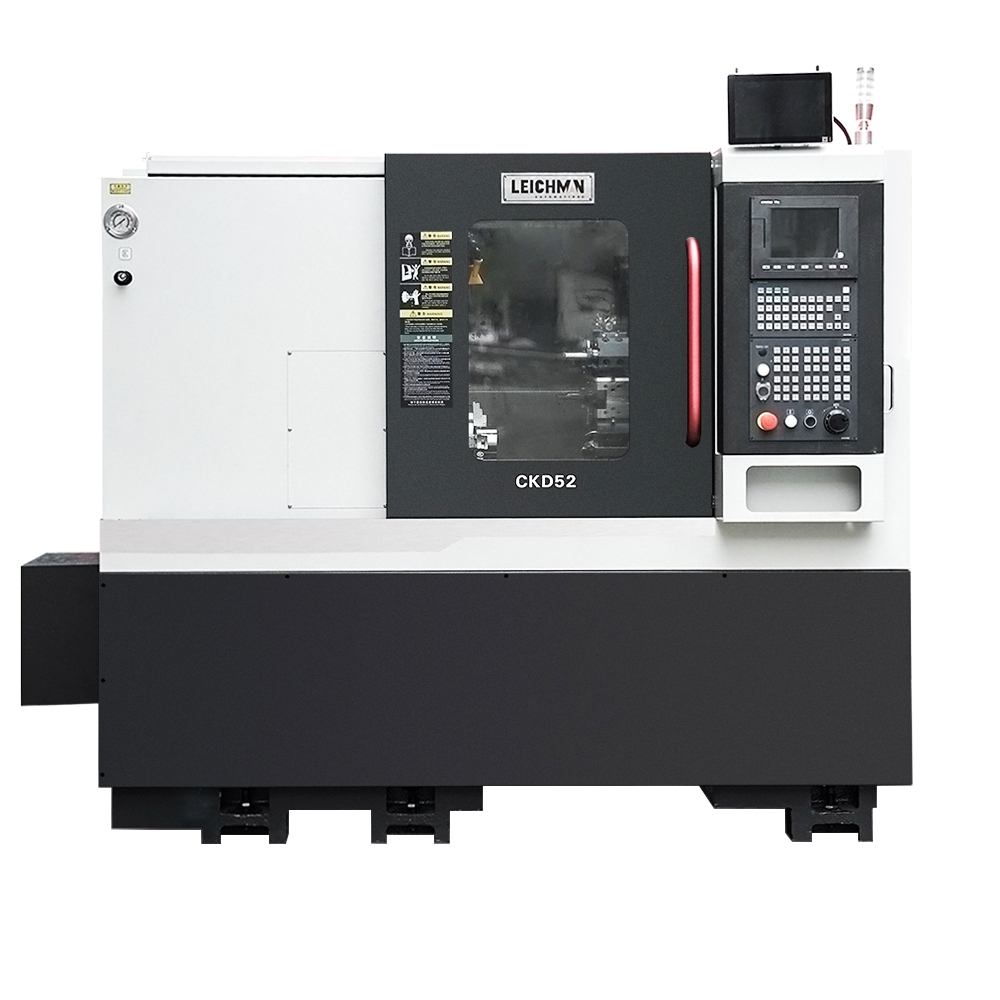
multi turret cnc lathe vendors often sell repeatability and higher throughput as the cure-all. In practice, I’ve seen shops buy into that promise and then hit a different wall: complexity overload. Programmers and operators face dense menus, clunky tool libraries, and setups that assume perfect conditions. The result? More time spent babysitting tool offsets and live tooling than actually cutting parts. Look, it’s simpler than you think — but only if you design for the people at the controls. I’ve noticed issues with tool offset drift, inconsistent spindle tuning, and servo motor lag when machines run mixed batches. These aren’t just technical hiccups; they cause stress, long shifts, and avoidable scrap. — funny how that works, right?
Why do these fixes miss the mark?
First, many traditional fixes treat symptoms. They add faster tooling or promise smarter controllers, yet they ignore the operator’s workflow. Second, training is often an afterthought; the same team that knows the parts best has no time to learn complex updates. Third, diagnostics can be opaque — fault codes without clear next steps. In short: you get sophisticated gear, but not the human-centered systems that turn specs into steady output. The result: higher theoretical capacity on paper, lower real output where it counts. I’ll show examples and practical tweaks next — things you can test on a shift without tearing up the production schedule.
Part 3 — Principles for Better Systems and a Practical Roadmap
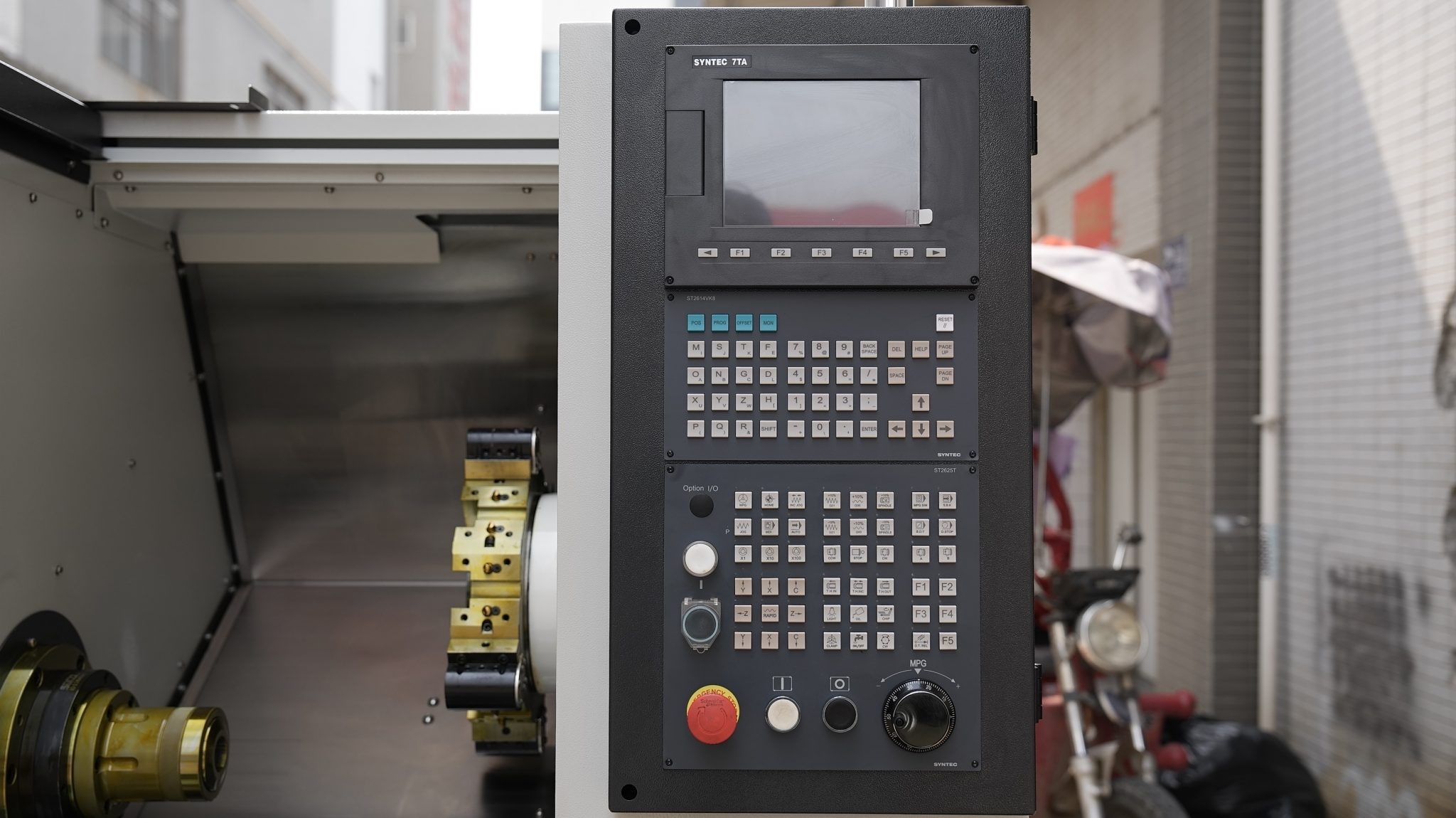
Moving forward, I favor principles over gimmicks. When I evaluate new designs, I focus on three ideas: intuitive controls, accessible diagnostics, and modular tooling. That’s the core of new technology principles for a modern shop. For instance, a simplified HMI that highlights spindle speed, tool wear, and coolant status reduces guesswork and helps an operator react fast. Integrating predictive alerts for tool life (based on cutting forces and C axis feedback) keeps changeovers planned, not panicked. And yes — the hardware matters, but the way it talks to people matters more. I’ve started recommending hybrid setups where live tooling is prioritized for repeat families and quick-change turrets back up short runs. There’s a balance to strike; it’s not just about adding features, it’s about sequencing them so humans can use them without a manual open on the bench. — I mean that honestly.
What’s Next: Practical Steps for Your Shop?
Start small. Pilot an HMI tweak on one cell. Track spindle speed variability and tool offset corrections for two weeks. Compare that with your standard metrics. You’ll see which changes actually cut minutes per cycle and which feel good but don’t move the dial. I also advise pairing seasoned operators with programmers for one week — side-by-side — to surface hidden steps in setup that no one documents. That speeds the feedback loop and makes your machine’s performance more predictable. And yes, test different turret configurations: sometimes a slightly slower cycle with fewer manual interventions yields better net throughput over a shift.
Closing — How to Choose Wisely: Three Metrics I Use
When I help shops pick solutions, I don’t fall for flashy specs. I ask three simple questions you can measure: 1) Effective uptime after human factors (how much run time remains once you account for real setups and changeovers); 2) Mean time to correct (how long does an operator take to fix a fault or recover from a tool issue); and 3) First-pass yield on mixed batches (do parts meet tolerance straight off the machine?). Those metrics reveal whether a system helps people do their job, not just a machine’s lab performance. Use them. I’ve seen shops that track these improve output by double digits in months, not years — and the team morale follows. Finally, if you want a practical partner that understands both the hardware and the human side, I’ve found working with makers who keep things straightforward (tools, controls, training) makes all the difference — and that’s where Leichman fits into the conversation.