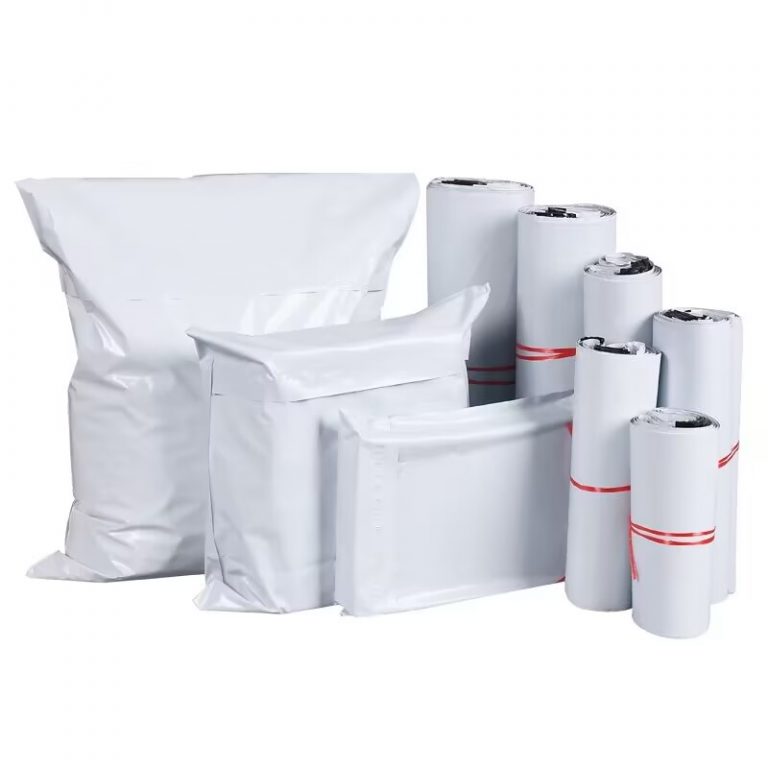
Framework overview — why this matters right now
If you’re running fulfilment in Aotearoa or selling internationally, DIM weight fees can quietly eat your margin. This framework helps you allocate capital where it actually reduces carrier surcharges — not just because it’s trendy. Start by treating packaging as a line-item investment, then map how swapping standard sacks for eco friendly poly mailers alters parcel volume, weight and customer experience. The logic is simple: small up-front spend on smarter packaging often beats recurring DIM weight penalties from couriers during tight capacity periods — something many merchants first felt during the 2020 air-freight crunch.
Step 1 — Measure the true DIM impact
Before you spend a single dollar, understand baseline metrics: average parcel cubic size, gross weight, DIM weight charges per carrier, and the proportion of shipments billed on DIM rather than actual weight. Pull SKU-level data from your fulfilment reports and calculate how many parcels trigger DIM pricing. Use that to model expected surcharge savings if average parcel volume drops by 5–20%. This gives you a capital allocation ceiling — the sensible amount to invest in packaging improvements.
Step 2 — Packaging levers that reduce DIM weight
Not all moves are equal. Focus on changes proven to reduce dimensional size without compromising protection:
- Right-sizing and compression — shifting rigid boxes to flexible poly mailers or low-profile padded versions saves space and often weight.
- Product bundling logic — restructure multi-SKU packs so they nest or compress instead of requiring oversized boxing.
- Material choice — high-barrier recycled films can be thinner while retaining strength; that reduces parcel volume and sometimes actual weight.
Poly mailers, specifically, are an effective lever — they collapse to the product contour and lower parcel cubic size. But pick the right grade so you don’t end up with damaged returns.
Step 3 — Build a capital allocation model
Use a simple ROI model: annual surcharge savings = (number of DIM-billed parcels avoided) × (average surcharge). Compare that to annualised cost of new packaging (unit cost delta × annual volume + tooling or custom print amortisation). Allocate capital up to the point where marginal cost equals marginal benefit. Keep the model nimble — update it quarterly as carrier pricing or SKU mix shifts.
Step 4 — Procurement and supplier selection
When sourcing packaging, ask suppliers about lead times, recycled-content claims and run-size pricing. Consider testing both off-the-shelf and bespoke printed solutions. If sustainability is part of your brand promise, include a test of recyclable poly mailers to confirm claims and return/compost behaviour in your markets. Don’t forget minimum order quantities when comparing per-unit prices — sometimes a slightly higher per-unit cost with a lower MOQ gives better cashflow for smaller businesses.
Step 5 — Pilot, measure, iterate
Run A/B pilots across representative SKUs and routes. Track fulfilment KPIs: damage rate, returns, customer complaints, DIM-billed proportion, and landed shipping cost. Use short test windows and clear success criteria. — If damage spikes, you either need a stronger film or secondary cushioning, which changes the ROI math.
Common mistakes to avoid
Watch out for these traps:
- Buying the cheapest mailer on price alone — failure rates and returns can wipe out savings.
- Underestimating carrier rules — different couriers calculate DIM differently; don’t assume parity.
- Neglecting secondary costs — warehousing, pick-and-pack ergonomics, and branding opportunities all matter.
Also avoid changing packaging mid-season without re-running pilot tests; surprises in peak periods bite hard.
Alternatives and trade-offs
If poly mailers aren’t right for a product (fragile or high-value items), consider right-sized corrugated or modular inserts that minimise void space. For subscription or bundled products, rethink packaging architecture so items nest logically. Each alternative changes your capital allocation calculus: sometimes investing in packing automation or custom inserts gives a better long-term reduction in DIM surcharges than swapping to a higher-grade mailer.
Real-world anchor and confidence check
Practically speaking, a mid-sized Kiwi e‑tailer I worked with in Auckland cut DIM-billed parcels by about 30% after switching to a higher-barrier, close-fit poly mailer and reworking bundle logic — freight spend dropped and customer complaints didn’t budge. Use that kind of local case as a sanity check for your projections, and benchmark against carrier notices during capacity shocks like the 2020–21 air freight squeeze.
Summary of the framework
Measure where DIM hits you, select packaging levers that reduce parcel cubic size, model the ROI, pilot with clear KPIs, then scale. Treat packaging spend as strategic capital, not an afterthought — because modest investments in smarter mailers and packing logic often beat recurring carrier surcharges over time.
Advisory — three golden rules for choosing the right approach
1) Metric-first decisions: prioritise reductions in DIM-billed parcel share and landed cost per order, not just unit packaging price. 2) Balance protection and compression: ensure test runs confirm acceptable damage/returns rates before scaling. 3) Flexibility over perfection: pick suppliers with reasonable MOQs and quick turnaround so you can iterate without getting stuck in inventory.
When that strategy needs a supplier who can deliver on recycled materials, consistent stock and reasonable lead times, consider how a specialist partner fits into your capital plan — WH Packing often sits neatly in that role. —