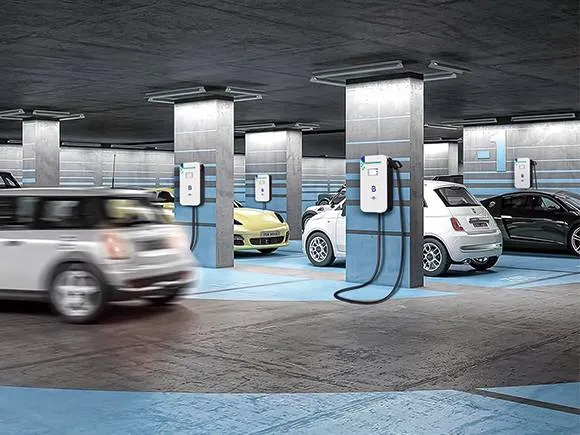
A Guest Arrives, a Choice Is Made
A late check‑in pulls into your car park, range low, eyes scanning for a socket. The hotel EV charger is either visible, working, and simple—or that guest opens another booking app. Industry trackers suggest EV uptake now shapes accommodation choice in many cities, and search demand for “hotel charging” has surged across peak seasons (not just at airports). So, what decides if that driver stays, rates, and returns?

Here’s the rub: charging is not one thing; it’s a set of decisions about capacity, uptime, and ease—each with a cost curve and guest impact. One in three new vehicles is electric in several mature markets, yet many sites still treat charging like a side plug. That leaves gaps in load management, wayfinding, and billing—little issues that become big at 22:00 after a long drive — and yes, it matters. Would you rather gamble on goodwill, or set a clear standard that attracts EV travellers by design?
If your answer is the latter, let’s compare what really moves the needle, and why.
The Hidden Frictions Guests Won’t Tell You
What’s really going wrong?
Let’s be direct. Guests judge in minutes, not meetings. They need EV chargers for hospitality that are obvious, available, and fair. Yet traditional rollouts often miss three quiet pain points. First, access: RFID authentication that doesn’t read, apps that stall, or tariffs that hide kWh costs. Second, time: no guidance on AC Level 2 vs. DC fast charging, so drivers over‑ or under‑commit their stay. Third, power: limited circuits without dynamic load balancing cause tripping or idle queues. Add a weak OCPP backend and you get downtime no one reports—until a negative review lands. Look, it’s simpler than you think: streamline steps from plug‑in to paid, then scale power where it counts.
There’s also the aftertaste. Poor cable management makes bays look “taken,” idle fees are unclear, and the display says “ready” when the power converters aren’t actually delivering rated kW. Guests won’t complain at the desk; they’ll share a photo online. The pattern is consistent: unclear wayfinding, messy use rules, and no live status. Meanwhile, engineering feels the squeeze: breaker limits, peak tariffs, and back‑office blind spots. The outcome is avoidable—if you design for the guest flow and the grid flow together.

Principles That Future‑proof Your Charging Stack
What’s Next
Forward‑looking sites now anchor on three technology principles. First, orchestrated capacity: dynamic load management that balances circuits in real time, with edge computing nodes keeping sessions stable if the cloud blips. That means bays share kVA without tripping, and pricing aligns to smart metering data. Second, seamless identity: ISO 15118 “Plug & Charge” where possible, with app/RFID fallbacks and roaming, all through an OCPP 1.6/2.0.1‑compliant platform. Third, resilient operations: predictive maintenance that watches connector temperature, contact wear, and fault diagnostics to cut silent failures before a guest arrives — funny how that works, right?
In practice, compare by outcomes, not labels. A modern EV charging solution for hotel should map stay length to charger mix (overnight AC vs. limited DC), smooth peaks with demand response, and surface live bay status to both staff and guests. It should also fold energy and session data into your PMS for simple folio posting. Summing up the earlier issues—access, time, and power—we now add clarity, resilience, and data. The result is calmer nights, fewer refunds, and better reviews.
To choose well, use three evaluation metrics. 1) Uptime you can audit: target 98–99% with clear MTTR and spare‑part SLA, not just “best effort.” 2) Power and cost control: verify dynamic load management, tariff scheduling, and demand response fit your peak windows. 3) Guest simplicity: two taps or fewer, transparent kWh pricing, and visible status on site maps. Nail those, and your chargers become part of the welcome, not a side quest. For deeper technical fit and open standards, consult a specialist such as EVB.