
Choosing Fixed Combustible Gas Detector: how to frame application scope final evaluation
Define the use case before comparing evidence
When a procurement team reviews a fixed combustible gas detector, the first task is to define the application rather than compare product pages in isolation. “Application scope” should describe what the review covers: the gases of interest, the location or process context, the required signal path, and the decisions the detector must support. This does not establish that a particular device is suitable. It creates a controlled question for the final evaluation.
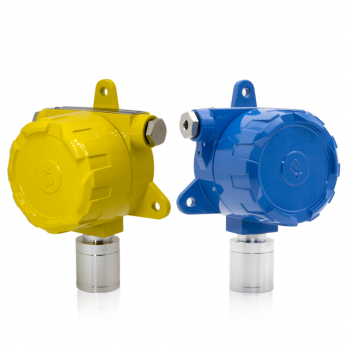
Start with a short scope statement. It might identify whether the review concerns a single sensing point, a wider detection arrangement, or an input to an existing monitoring system. Keep the statement factual and limited. Avoid adding assumptions about hazardous-area classification, alarm philosophy, installation method, maintenance, or regulatory obligations unless those matters have already been defined by the project.
Next, separate requirements into three groups. The first group contains confirmed requirements, such as a required output type or a stated gas. The second contains preferences, such as a desired interface or a particular form of local indication. The third contains open questions that could change the comparison. This separation prevents a convenient product description from being treated as a complete specification.
Map page evidence to the stated scope
A useful comparison table should have one row for each requirement and separate columns for the requirement, the evidence, its source, and its status. Suitable status labels include “stated”, “partly addressed”, and “open”. The purpose is not to score a product from limited text. It is to show which parts of the application scope are actually addressed by the available evidence.
For example, the Bosean BH-60 page states a 4–20 mA standard signal output and describes on-site monitoring and alarm through simple settings. That is a concrete product-page statement. In a final evaluation, it can be recorded against signal and local-function requirements, provided those requirements are part of the defined scope. It should not be extended into a claim about system compatibility, alarm performance, certification, site suitability, or safety outcomes.
This is where the second use of fixed combustible gas detector belongs in the review: as the product category being assessed against a defined application, not as a conclusion that every stated need has been met. The exact page also lists supported gases and technical values, but each value should remain tied to the cited model and its stated context. A category label is not a substitute for checking the relevant specification.
Keep the source wording close to the evidence. If a page describes a feature, record it as a feature. If the review needs a performance limit, installation condition, certification statement, or project result, treat that as a separate requirement rather than filling the gap with an assumption. This approach also makes later discussions more efficient because each unresolved point has a visible reason for being unresolved.
Turn open points into supplier questions
Once the evidence has been mapped, convert open points into focused questions. Avoid broad requests such as “Is the detector suitable?” A better question identifies the application and the decision needed. For example: Which stated gases and technical values apply to the proposed model? How would the listed signal output relate to the intended monitoring arrangement? Which functions are local, and which depend on other equipment or project configuration?
Questions should also distinguish product information from project design responsibility. A page may describe a signal or setting without defining the complete system around it. Procurement teams can therefore ask for clarification in the same categories used in the comparison table: sensing scope, outputs, local functions, interfaces, configuration, documentation, and any project-specific constraints. The wording should stay neutral and avoid presuming that an unlisted feature exists.
Record the answer beside the original question, not in a separate informal note. If the answer changes the scope, update the scope statement and comparison table together. If it only adds a product detail, keep the application requirement unchanged. This simple record helps prevent one response from being generalised across models or across different project contexts.
Make the final evaluation defensible
A defensible next step is a short review pack containing the application scope, the requirement table, the cited product evidence, and the questions still affecting the decision. The pack should show what is known without implying more than the source supports. It should also make clear which conclusions are procurement judgements and which statements come directly from a product page.
For the evidence available here, the bounded conclusion is that the Bosean BH-60 page provides stated information about a 4–20 mA signal output, on-site monitoring and alarm through settings, supported gases, and technical values. Those statements can inform a scope-based comparison. They do not, on their own, establish certification, installation suitability, system-level compatibility, or a guaranteed outcome. Keeping that boundary visible gives the final evaluation a clearer basis and leaves fewer assumptions hidden in the purchasing record.
In practical terms, procurement teams should approve the next step only after the application scope and evidence mapping are aligned. The aim is not to produce a sweeping judgement from a catalogue entry. It is to make a limited, traceable decision about what the stated evidence can support, while carrying unresolved requirements into the supplier discussion with Bosean.