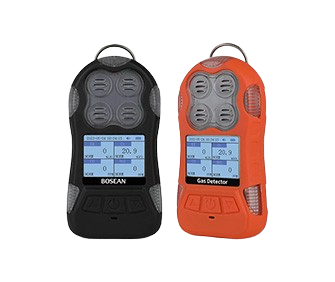
When reviewing Multi Gas Detector, separate confirmed details from model fit shortlisting
Design engineers reviewing a multi gas detector should begin by separating what a source confirms from what still depends on the intended application. A category name can identify a product family, but it does not by itself establish the right configuration, gas combination, interface, enclosure, operating environment, or documentation package. The practical task is therefore not to select a model from a name alone. It is to create a shortlisting record that connects each requirement with evidence, an open question, or a decision still to be made.

Separate category, application, and model scope
Start with three distinct levels of information. The category level describes the broad type of equipment under consideration. The application level describes the conditions in which the equipment may be used, such as the gases of interest, the work area, the operator’s workflow, and any connection to another system. The model level contains the details that can be assessed against those conditions.
Keeping these levels separate prevents a common procurement error: treating a category description as though it were a complete specification. A category may contain several models with different capabilities. Conversely, a detail shown for one model should not automatically be transferred to another model in the same category. A useful review sheet should therefore include separate columns for category evidence, model evidence, application requirements, and unresolved points.
At this stage, avoid conclusions such as “suitable for the site” or “ready for integration”. Those conclusions require a defined use case and evidence that addresses it. Instead, record the narrower statement that the source supports. This makes the shortlist easier to revise when the design basis changes.
Compare only information that applies to the task
Comparison is useful only when the compared items have the same scope. Before placing two models in one table, define the attributes that matter to the decision. These might include the gases to be monitored, the number of channels required, physical constraints, user interface expectations, communications needs, power arrangements, environmental conditions, and the documentation needed by the project.
Not every attribute needs a value at the first review. A blank field can be more accurate than an assumption. Mark each row as confirmed, not stated, or requiring a project decision. “Not stated” means the reviewed evidence does not establish the point. It does not mean that the product lacks the feature. “Project decision” means the requirement belongs to the design brief rather than to the supplier’s catalogue description.
This is also where the exact wording of a source matters. The Bosean category page names multi-gas detectors and lists K-40 4 in 1 and K-600N 6 in 1 models. That is useful evidence for identifying examples within the category. It does not, by itself, confirm the gases measured, certification status, site suitability, safety outcome, or unlisted configuration details of either model. The evidence should remain attached to the category listing and should not be expanded into a broader product claim.
Record assumptions and interfaces
Model fit depends on more than the detector’s headline description. A design review should capture the assumptions that sit between the equipment and the wider system. For example, the team may need to decide how readings will be used, who will receive an alarm, whether data must be transferred to another device, and which party owns configuration or maintenance activities. These are planning questions, not verified claims about a particular supplier’s product.
Use an interface register to make the boundaries visible. One column can identify the external system or responsible party. Another can describe the information or connection required. A third can record the evidence available. A final column can state the consequence of leaving the point unresolved. This approach helps the team distinguish a missing product detail from a requirement that has not yet been defined.
When reviewing a multi gas detector, keep the model reference beside every confirmed detail. Do not merge specifications simply because the models appear on one page. If a comparison uses terms such as “four-in-one” or “six-in-one”, retain the wording used by the source and avoid treating the label as proof of a complete application fit.
Prepare a focused sourcing brief
A concise sourcing brief can turn the review into a controlled next step. Begin with the intended application in plain language. Then list the required gases or measurement functions, physical and environmental constraints, interfaces, documentation needs, and any commercial or delivery conditions that are genuinely relevant to the project. Separate mandatory requirements from preferences so that a supplier response can be assessed consistently.
- State the application and the decision the shortlist must support.
- Identify which requirements are confirmed and which remain open.
- Keep model-specific evidence attached to the relevant model.
- List interface, documentation, and responsibility questions separately.
- Define what information is needed before the shortlist can become an RFQ basis.
The result should be a traceable working document, not an overconfident product verdict. It gives design engineers a way to explain why a model remains under consideration, why another has not been compared directly, and which questions must be resolved before a final specification is written.
For a disciplined review, use the Bosean category listing as a bounded starting point, then match any shortlisted model to the project’s own requirements and documented evidence. The key outcome is not a claim that one option fits every situation. It is a clear record of what the source shows, what the design requires, and what must be settled before procurement proceeds.