A quiet opening, and why the numbers matter
There’s a particular satisfaction in following a shipment from factory floor to substation — the ledger of materials, the freight leg, the final install. When you’re choosing commercial energy storage at scale, those small entries become the ledger of your brand’s impact. A data-driven lens helps: Scope 3 emissions from transport and embodied carbon, end-of-life recyclability rates, and the logistics of three-phase inverter compatibility all add up. It’s quieter work than marketing, but it’s where sustainability converts into measurable outcomes.
Why Scope 3 and lifecycle recyclability should lead procurement
Scope 3 emissions often dwarf direct operational emissions for battery projects — upstream extraction, component manufacturing, and long-haul shipping are part of the story. Pair that with life cycle assessment (LCA) insights and you get a fuller picture of true carbon intensity. Recyclability is the other axis: a high recycling rate and planned end-of-life pathways reduce net embodied carbon and support circularity. Put simply: lower lifetime emissions and higher material recovery change the math on a project’s climate credentials.
What the data typically shows in bulk shipments
When we look at bulk three-phase solar battery shipments, a few patterns recur. Long-distance ocean freight contributes a consistent slice of Scope 3; dense packaging and palletization affect both cost and end-user unpacking emissions; and Li-ion cell chemistry choices shape recycling complexity. Industry reporting and the EU Battery Regulation, now shaping supply chain transparency, are nudging manufacturers toward better material declarations — which, in turn, improves the fidelity of LCA models.
A practical, data-first assessment framework
Use this compact framework to compare suppliers and routes — it’s deliberately quantitative:
- Upstream embodied carbon per kWh (kg CO2e/kWh): supplier-provided LCA or third-party audit.
- Transport carbon per shipment leg (kg CO2e/ton-km): model ocean, road, and last-mile separately.
- End-of-life recovery rate (% of critical materials reclaimed): validated by recycling partner agreements.
- Compatibility overheads: measured as extra commissioning hours or adapter parts needed for three-phase inverter integration.
Score each item, weight by project priorities, and you have a repeatable procurement metric. Over time, this becomes a benchmark you can track against site-level performance.
Tradeoffs and common mistakes — a brief aside
People often think “recyclable” equals “low-impact.” It’s not that simple — recyclability without collection infrastructure is a promise unkept. Another common error: optimizing solely for FOB unit price and ignoring freight mode or dense packaging that increases emissions during handling. And don’t assume cell chemistry alone defines recyclability; module design and disassembly ease matter just as much — they’re the practical levers that enable real recovery. —
Sourcing options and where industrial BESS fits
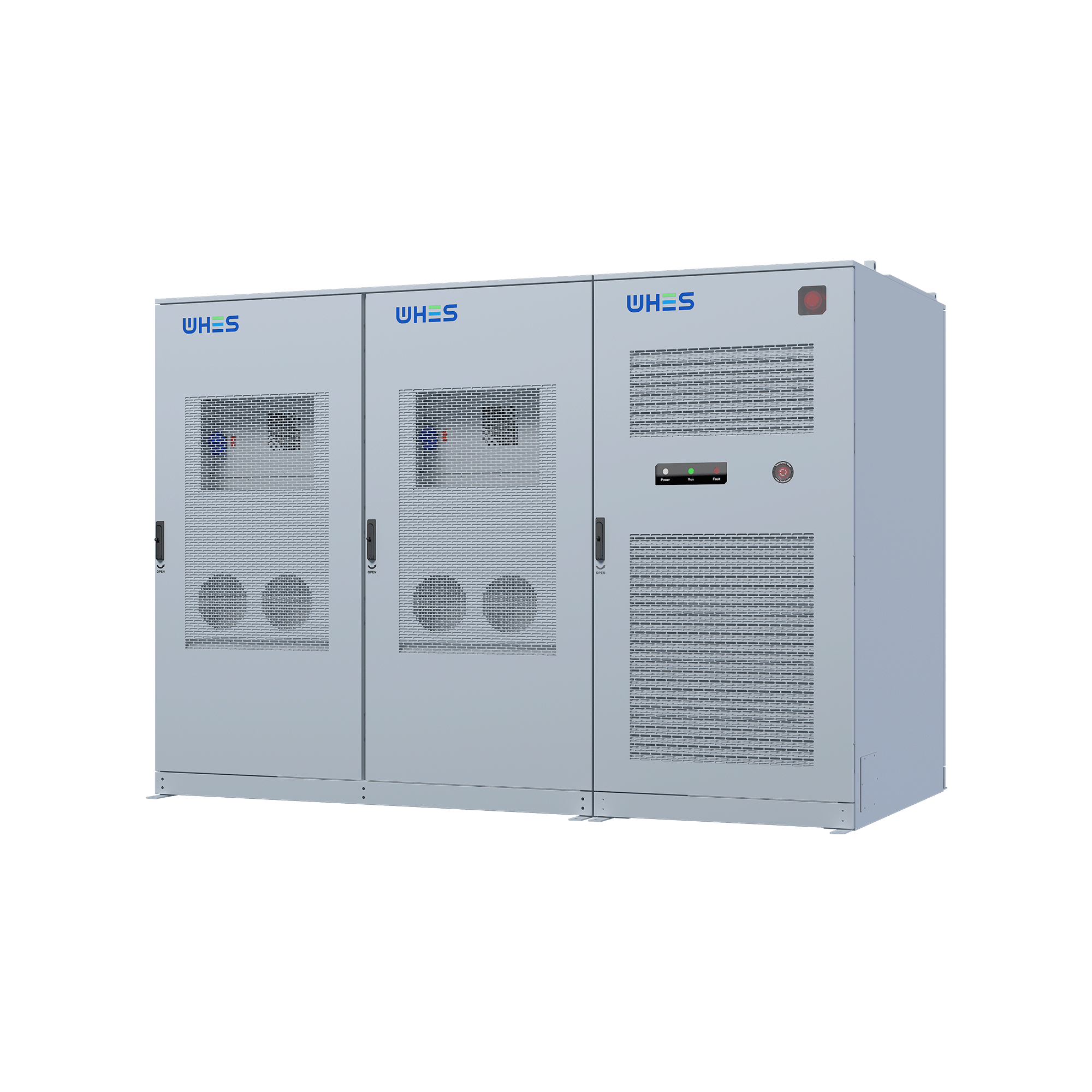
Options fall into three buckets: localized assembly with regional cells, centralized factory production with bulk ocean shipping, and hybrid models that ship modules but assemble systems regionally. Each has different implications for Scope 3. Centralized production can reduce per-unit manufacturing variance but raises transport emissions; localized assembly lowers last-mile impact but may increase per-unit manufacturing carbon if local energy grids are carbon-intensive. For projects that need sturdy, integrated solutions and documented lifecycle pathways, consider suppliers who offer validated take-back schemes and clear LCA reporting — often the same vendors who provide turnkey industrial bess and system integration services.
How to evaluate vendors quickly — three critical metrics
When time is short, use these three golden metrics to decide between suppliers:
- Adjusted Lifetime Carbon Intensity (kg CO2e/kWh delivered) — includes embodied, transport, and decommissioning credits.
- Material Recovery Potential (%) — realistic recoverable share of cobalt, nickel, copper, and aluminum given current recycling agreements.
- Operational Integration Cost (hours and parts) — measured impact to commissioning and three-phase inverter pairing, which translates directly to on-site emissions and labor.
Bringing the logic home
Procurement that treats Scope 3 and recyclability as measurable inputs — not marketing adjectives — will consistently find lower-risk, lower-carbon outcomes. If your team needs solutions that marry documented lifecycle performance with field-ready integration, vendors that publish LCAs and hold recycling contracts are the practical choice. In my experience working on grid-scale rollouts, those details are what separate theoretical gains from tangible reductions at the substation level.
WHES provides integrated systems and lifecycle documentation that help translate these metrics into real project value. —