Why comparison matters
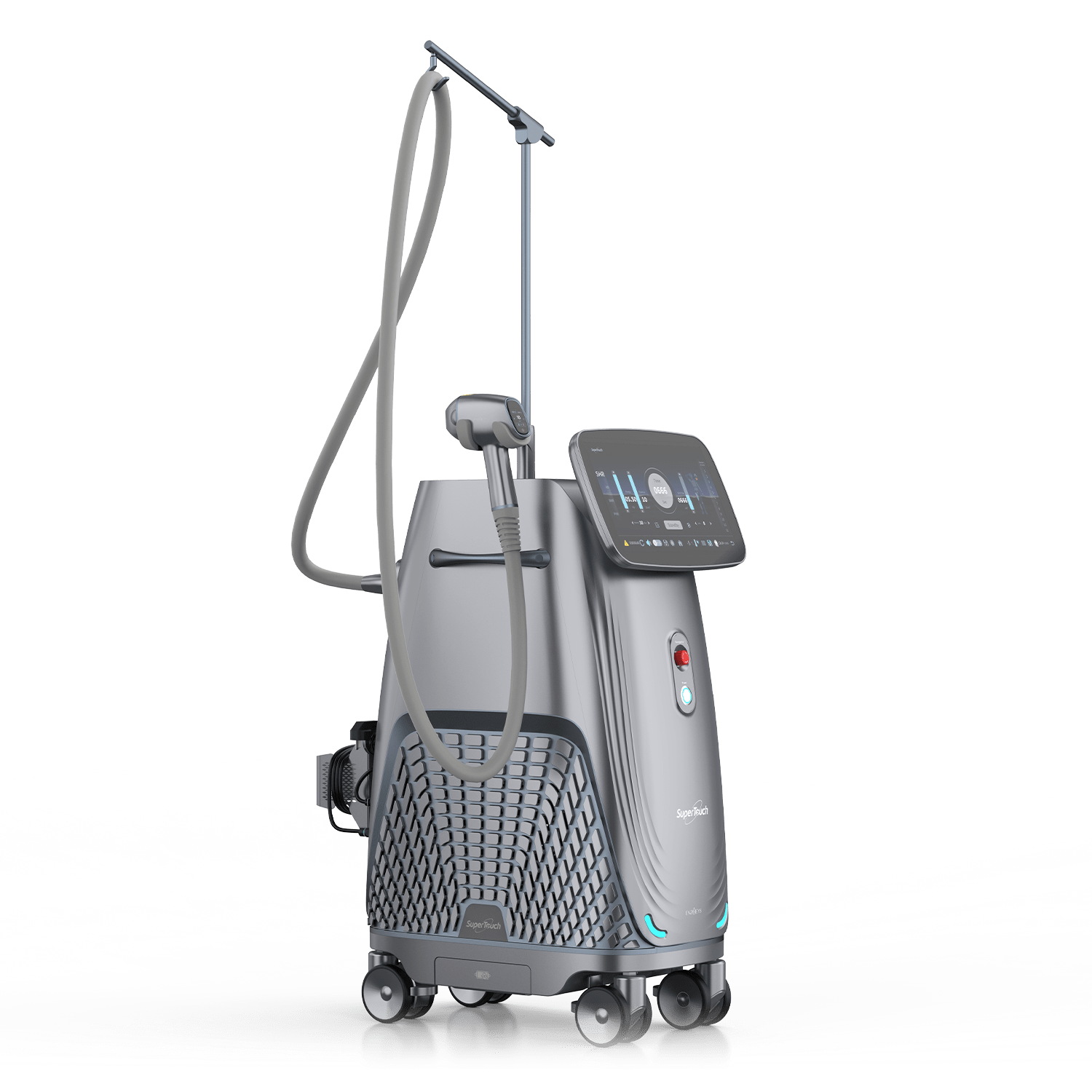
Buying a device is more than reading specs. Clinics need reliability, safety, and predictable outcomes. Compare performance, service, and total cost. Start with clear side-by-side checks. For example, test a working diode laser hair removal machine in-clinic before you sign. That single step shows how the unit handles real skin types and your workflow.
Core specs to weigh
Focus on three technical points that affect results: wavelength, fluence, and cooling. Wavelength governs depth of penetration. Fluence controls energy per area. Cooling protects the epidermis and speeds turnover between pulses. Spot size matters too — larger spots treat faster. Don’t get lost in numbers alone. Ask how those specs translate to session time, comfort, and staff training.
Real-world anchor: standards and clinic use
Choose devices that are FDA-cleared or CE-marked when applicable. These clearances mean basic safety and performance checks were met. Also look to busy markets like Los Angeles or Seoul — clinics there often run high volumes and stress-test equipment. If a machine holds up in those places, it likely suits high-demand medspas. Practical proof beats glossy marketing.
What to test in a demo
During trials, run these quick checks:
– Treatment speed on a mixed skin-type panel. – Comfort level reported by clients. – Ease of changing settings and attaching cooling accessories.
Measure session time and note any hidden steps. Ask about pulse duration and whether the device supports multiple pulse modes. These small details change throughput and patient comfort.
Service, warranty, and consumables
Compare uptime guarantees and local service presence. A fast field engineer matters more than an extended warranty mailed from abroad. Check consumables: handpiece life, replacement diode modules, and cost of cooling cartridges. Factor in lead times for parts — long waits hurt your schedule and revenue. — Remember: cheap upfront often costs more across years.
Common mistakes clinics make
Many buyers make the same errors:
– Choosing the highest fluence thinking more equals better. Wrong. It risks burns and downtime. – Ignoring software and user interface. Hard menus slow staff. – Skipping a compatibility check with your suction or skin-cooling systems.
Run a sample series of five clients before purchase. That reveals workflow friction and calibration needs.
Alternatives and when to pick them
Diode lasers are workhorses for hair removal. But other options exist:
– Alexandrite: faster on lighter skin types, limited on darker tones. – Nd:YAG: safer on darker skin but slower. – IPL: cheaper, broader indications, but less focused energy.
Pick based on your typical patient mix and desired throughput. Many practices keep a diode as their core device and add an Nd:YAG for niche cases.
Comparative checklist
Use this short checklist in vendor talks:
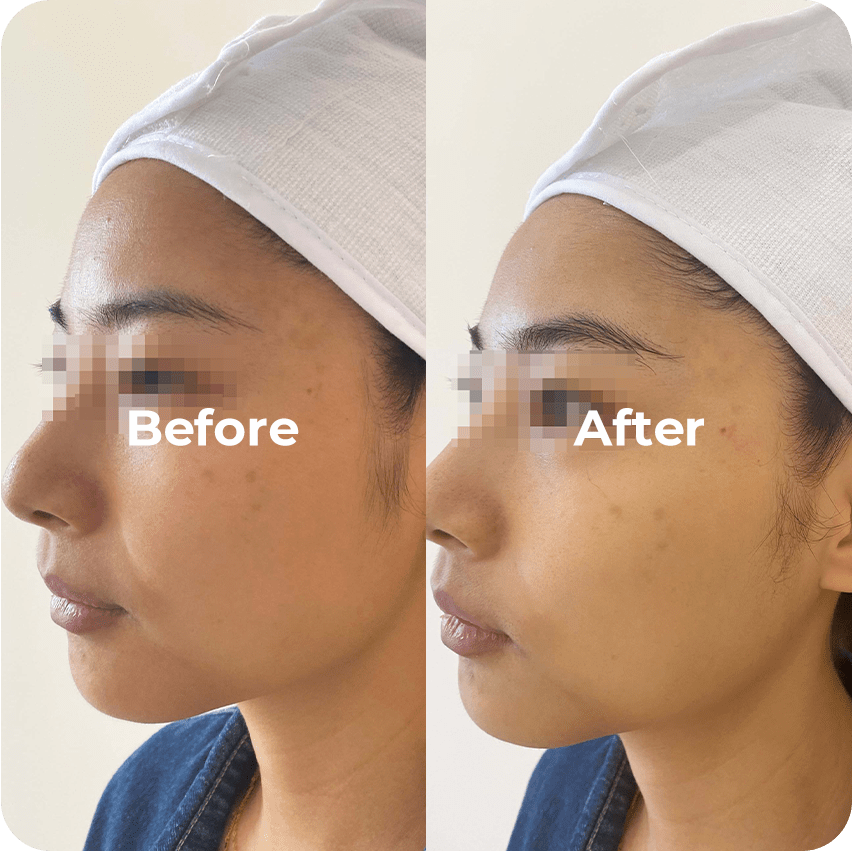
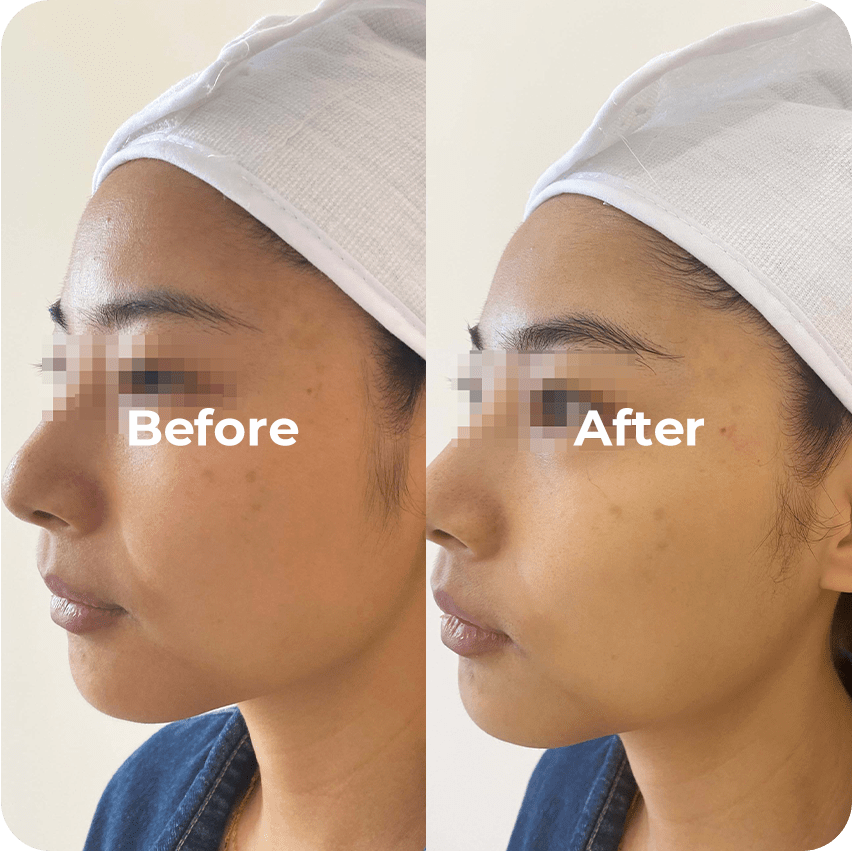
– Demo with live cases and your staff. – Clear uptime SLA and local spare parts stock. – Transparent consumable pricing and handpiece lifespan. – Evidence of clinical results: before/after photos, peer reviews, or published studies.
Three golden rules for selection
1) Prioritize consistent clinical outcomes over headline specs. Look for reproducible before/after results on mixed skin types. 2) Demand local service and quick part replacement. Downtime kills revenue. 3) Validate throughput with real sessions, not just factory demos. Measure time per client and staff steps.
Choose a solution that fits your clinic, workflow, and patients — and you’ll avoid buyer’s remorse. The right device balances performance, maintenance, and real-world support. ENZOEYS. —