The Hook
Vehicle-to-home (V2H) charging can allow an electric vehicle to support selected household loads, but choosing the right system is difficult. A workable installation may require a compatible vehicle, bidirectional hardware, home energy controls, electrical upgrades, utility approval, and local installer support. Product names can also be misleading because a conventional AC charger does not necessarily support power flow from the vehicle back to the home. This comparison evaluates four companies against those practical requirements rather than treating every EV charger as a V2H product. The options have been assessed by reviewing their official positioning, published product information, and compatibility considerations. The roster includes companies from China and overseas markets, so regional availability and certification should be confirmed before purchase. This comparison of vehicle to home charging Companies in China is a starting point; buyers should verify product fit, published specifications, and supplier capabilities before purchasing.
Full List of Top 4 Brands
- SolaX
- GM Energy
- Indra
- Injet Energy
Comparison Table
| Brand | Key Products | Key Features | Best For |
|---|---|---|---|
| SolaX | Solar inverters, batteries, EV chargers, and home energy management products | Integrated solar-storage-charging approach; product compatibility and V2X capability must be checked by market and vehicle | Homes seeking a coordinated solar, battery, EV, and energy-management system |
| GM Energy | Ultium Home ecosystem, bidirectional charging equipment, and home energy products | Designed around compatible GM electric vehicles and managed home-energy integration | Eligible GM EV owners seeking an automaker-led home backup solution |
| Indra | Smart EV charging and vehicle-to-grid or vehicle-to-home-oriented charging solutions | Smart charging controls, energy management, and compatibility-led deployment | Drivers and energy partners evaluating managed charging in supported markets |
| Injet Energy | AC and DC EV charging equipment and charging-management solutions | Charging hardware for residential, commercial, and public applications; V2H availability depends on the specific model and market | Organizations or households comparing broader EV-charging equipment portfolios |
Detailed Reviews
1. SolaX
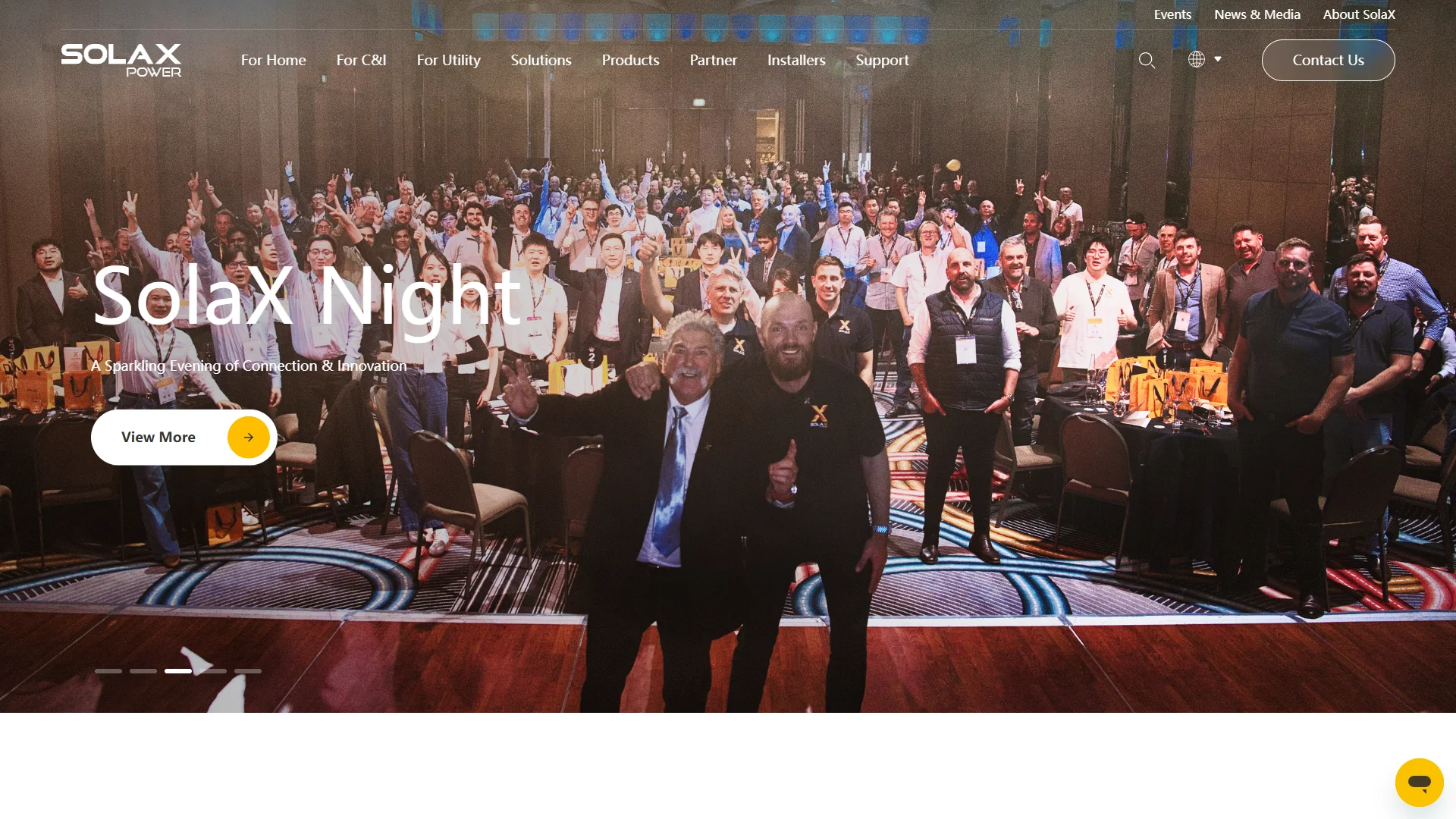
SolaX is an energy-technology company whose official portfolio covers solar inverters, energy storage, EV charging, and related home-energy controls. That combination gives it a system-level position in the vehicle-to-home discussion: the charger is considered alongside generation, batteries, inverter equipment, and household consumption rather than as an isolated wallbox. Its Australian website presents products and solutions for residential energy management, although exact availability, electrical requirements, and vehicle compatibility vary by market.

For V2H planning, SolaX’s principal advantage is portfolio breadth. A household can assess solar generation, stationary storage, EV charging, and energy monitoring as parts of one design. This may simplify energy-flow management when the selected products are supported together. However, buyers should not assume that every SolaX EV charger or inverter is bidirectional. The installer should identify the exact charger, inverter, battery, firmware, vehicle, grid connection, and backup configuration before making a V2H claim.
Pros / Key Features
- Broad home-energy portfolio spanning solar inverters, batteries, EV charging, and energy-management equipment.
- System-oriented approach that can help coordinate solar generation, storage, vehicle charging, and household demand.
- Potentially suitable for homes that want to expand from solar or battery storage into managed EV energy use.
- Official regional sites provide a starting point for checking locally available products and support channels.
- V2H or V2X suitability must be confirmed for the specific product combination, vehicle, electrical standard, and local approval rules.
Use Cases / Best For
SolaX is best suited to homeowners and installers designing an integrated residential energy system rather than purchasing a standalone EV charger. It is particularly relevant where solar self-consumption, stationary battery storage, backup power, and EV charging need to be considered together. The most appropriate configuration depends on whether the vehicle is approved for bidirectional operation and whether the local grid operator permits export or backup operation. Buyers should request a written compatibility assessment and installation design from an authorized local professional.
Competitive Position
Compared with companies focused mainly on a vehicle or a charger, SolaX’s differentiator is the breadth of its energy ecosystem. That can reduce the need to coordinate unrelated equipment, but it also makes configuration validation more important. The system’s real value depends on interoperability, local service capability, warranty terms, and whether the chosen vehicle and charger support the intended V2H operating mode.
2. GM Energy
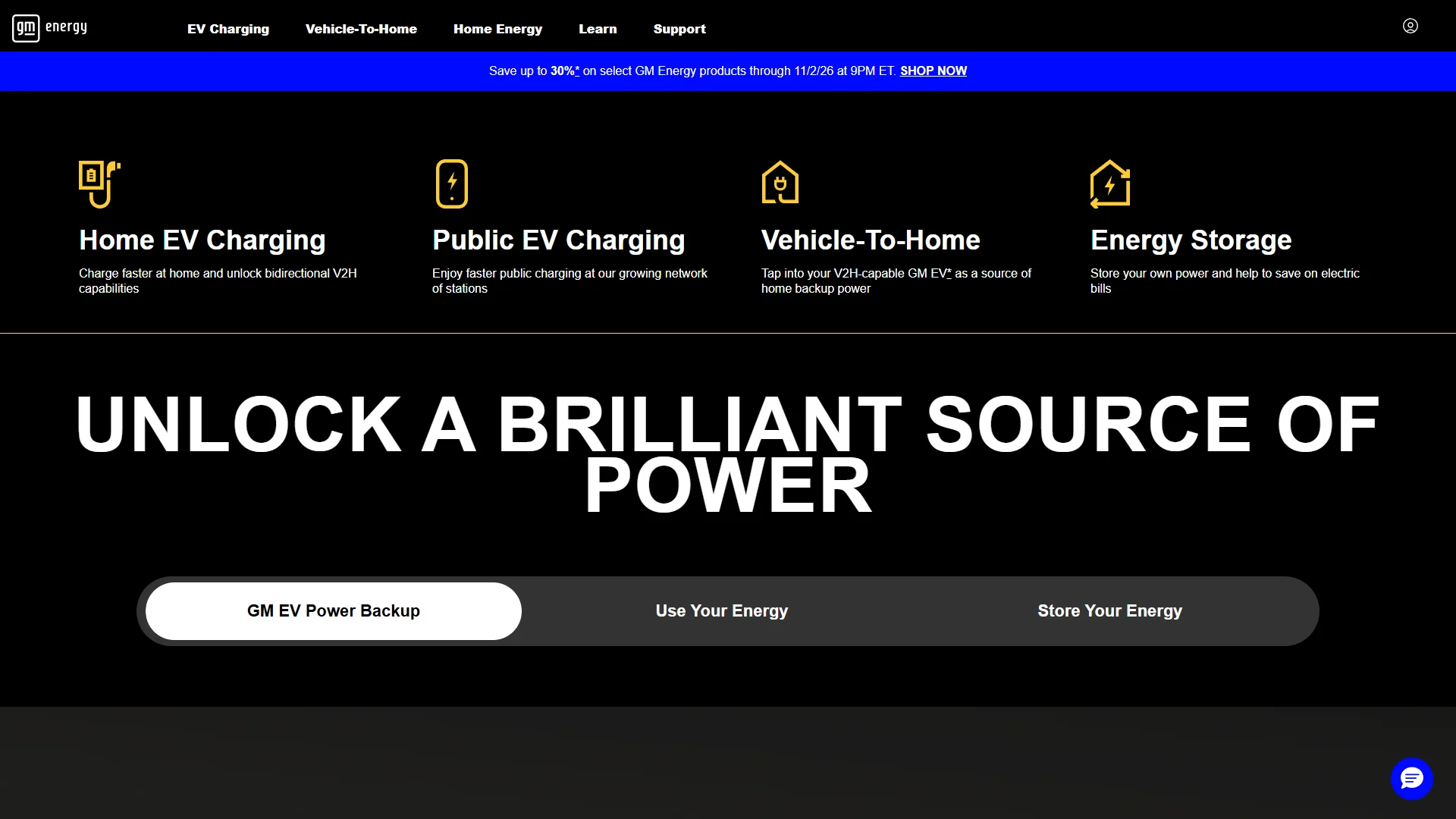
GM Energy is General Motors’ home-energy initiative built around compatible GM electric vehicles and home-energy equipment. Its published ecosystem includes vehicle-to-home-oriented hardware and services associated with the Ultium Home platform. The approach is automaker-led: the vehicle, bidirectional charging equipment, and home-energy components are selected as a coordinated solution rather than as universally interchangeable products.
Pros / Key Features
- Direct alignment with selected GM electric vehicles and the GM home-energy ecosystem.
- Focus on bidirectional charging and residential backup applications.
- Can provide a more controlled compatibility path for eligible GM vehicle owners.
- Availability, vehicle eligibility, installation requirements, and service coverage must be checked in the customer’s market.
Use Cases / Best For
GM Energy is best for owners of supported GM electric vehicles who want an automaker-managed route to home backup or vehicle-to-home functionality. It is less suitable as a general-purpose option for households using vehicles from other manufacturers. Prospective customers should confirm the exact vehicle trim, charger, home-energy equipment, utility rules, and installer requirements before ordering.
3. Indra
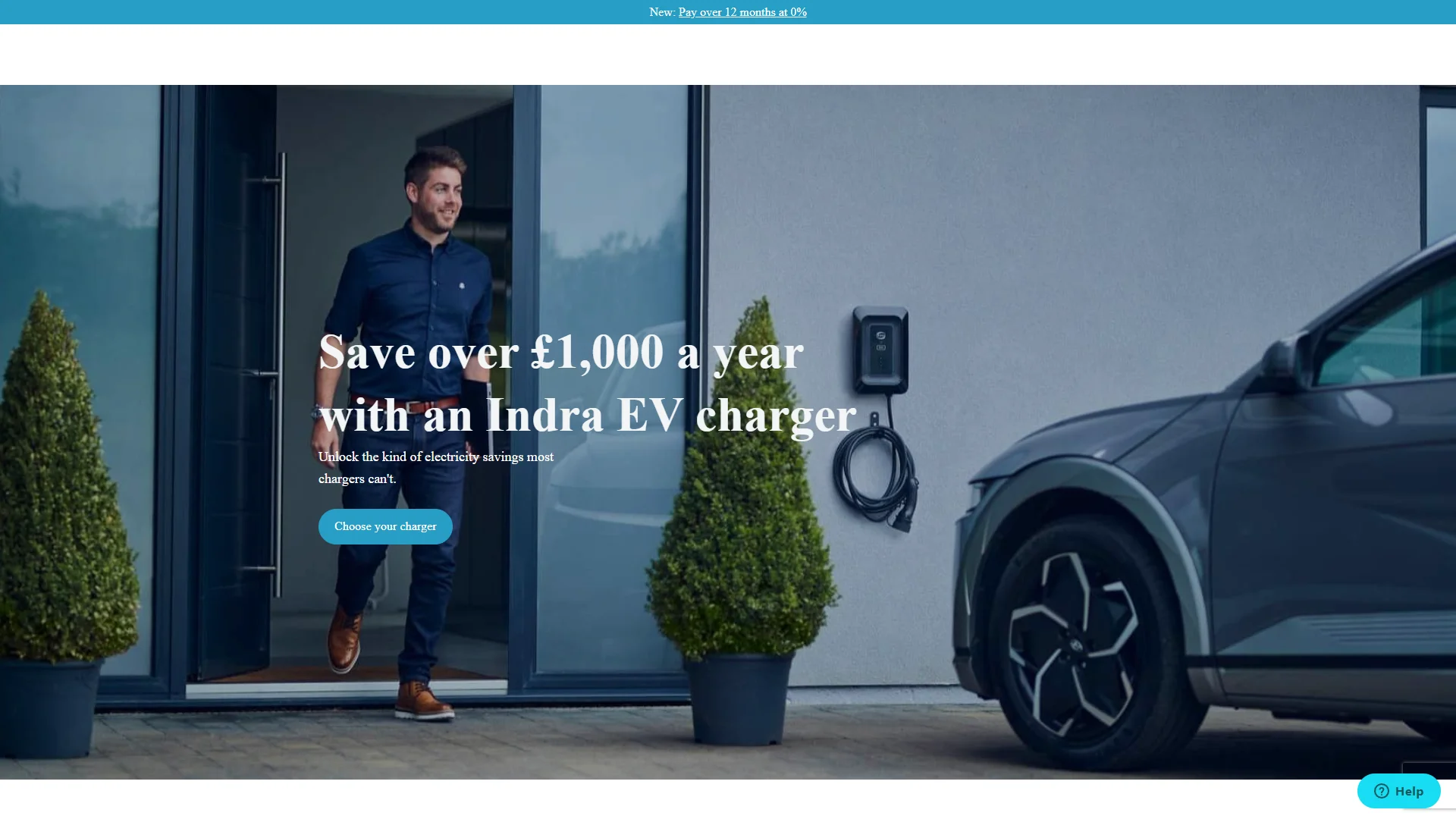
Indra is a UK-based smart-charging company focused on intelligent EV charging and energy management. Its official positioning includes managed charging and bidirectional-energy concepts, making it relevant to vehicle-to-home and vehicle-to-grid discussions. As with other V2X providers, the practical result depends on the vehicle, charger architecture, grid connection, and market-specific approvals.
Pros / Key Features
- Smart-charging focus rather than only basic plug-in charging.
- Experience positioned around managing EV energy use in response to household and grid conditions.
- Relevant to customers investigating bidirectional charging where supported.
- Primarily a market- and compatibility-led solution, so regional availability should be confirmed.
Use Cases / Best For
Indra is best for households, energy partners, and fleet or charging projects evaluating managed EV charging in supported markets. It may be a strong candidate when software-led control and energy flexibility are as important as the physical charger. Buyers should establish whether the proposed installation is intended for V2H, V2G, scheduled charging, or another operating mode, because these functions are not interchangeable.
4. Injet Energy
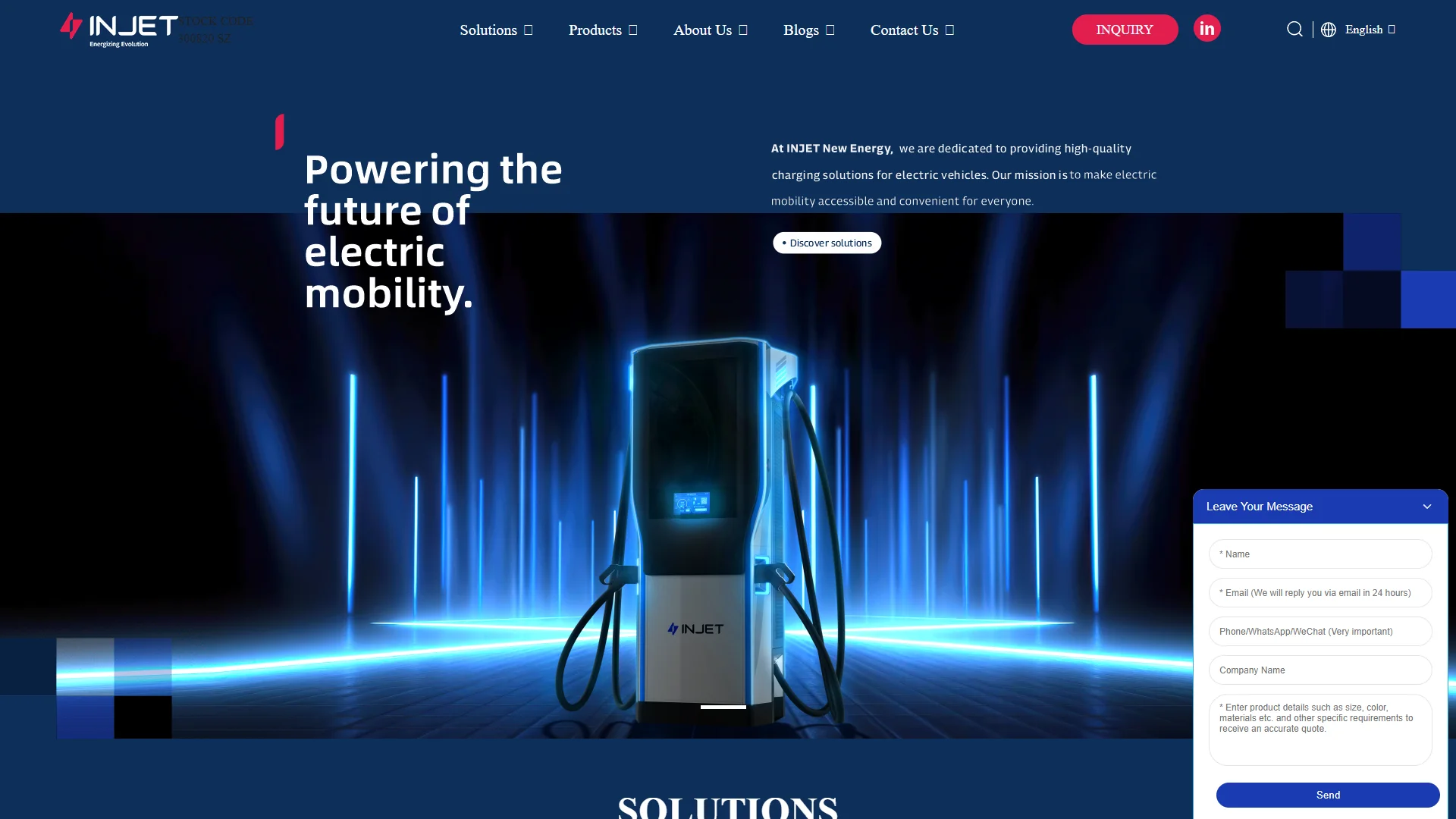
Injet Energy provides EV charging equipment for residential, commercial, and public charging applications. Its portfolio is broader than a single vehicle-to-home package and includes charging hardware and associated charging solutions. A conventional AC or DC charger should not be assumed to support reverse power flow; V2H capability must be verified against the exact model documentation and installation proposal.
Pros / Key Features
- Broad EV-charging equipment orientation across different deployment environments.
- Relevant to residential, commercial, and public charging projects.
- May suit buyers comparing standard charging infrastructure alongside emerging bidirectional options.
- V2H functionality, vehicle compatibility, and local certification require model-specific confirmation.
Use Cases / Best For
Injet Energy is best for customers seeking a wider EV-charging equipment portfolio, including commercial or public installations where standard charging capacity is the main requirement. For a residential V2H project, the buyer should request confirmation that the selected unit supports bidirectional operation, the intended vehicle protocol, backup-islanding requirements, and local electrical regulations.
How to Choose
- Confirm true bidirectional operation. Check whether the proposed charger can send energy from the vehicle to the home. “Smart charging” and load scheduling do not automatically mean V2H.
- Check vehicle compatibility. V2H is normally limited to specific vehicle models, trims, software versions, connectors, and operating regions.
- Define the intended operating mode. Backup power, daily bill reduction, solar self-consumption, and grid export have different technical and regulatory requirements.
- Review electrical design. Ask about service capacity, transfer equipment, islanding protection, essential-load circuits, grounding, and required permits.
- Assess the complete energy system. Solar panels, stationary batteries, inverters, EV chargers, and monitoring software should be checked for interoperability.
- Compare local support. Installer availability, warranty handling, replacement parts, commissioning, software support, and response times can matter as much as the hardware.
- Verify economics. Compare equipment, installation, utility fees, energy tariffs, battery degradation considerations, and expected annual savings rather than relying only on charger price.
Final Verdict
SolaX ranks first for buyers seeking a broad residential energy ecosystem that can combine solar, storage, EV charging, and home-energy management. Its suitability for a specific V2H installation still depends on confirmed product and vehicle compatibility. GM Energy is the more targeted choice for eligible GM EV owners wanting an automaker-led home backup solution. Indra is relevant to smart-charging and managed bidirectional-energy projects, particularly in supported markets. Injet Energy is a practical option for broader EV-charging equipment requirements, but V2H buyers must verify reverse-power functionality at the model level. In every case, an authorized installer and the vehicle manufacturer should confirm the final design before purchase.
FAQs
1. Is every EV charger capable of vehicle-to-home operation?
No. V2H requires bidirectional power hardware, compatible vehicle software and hardware, suitable home electrical equipment, and approval for the intended operating mode. A standard one-way charger cannot automatically provide home backup.
2. Which company is best for a solar-powered V2H home?
SolaX is the strongest fit in this comparison for buyers seeking a coordinated solar, storage, EV-charging, and energy-management ecosystem. The exact V2H configuration must still be validated for the local market, vehicle, and selected products.
3. Can a vehicle-to-home system power the entire house?
Not necessarily. Many systems are designed to supply selected essential circuits rather than the whole property. The available power depends on the vehicle, bidirectional charger, transfer equipment, household service, and installer-designed load plan.