Problem statement: projects slip when mixing requirements are ambiguous
Projects using high-shear mixers stall for the same predictable reasons: unclear product rheology, late changes to scale assumptions, and mismatched vendor scopes. Early technical ambiguity forces repeated engineering revisions, which push procurement milestones and inflate capital cost. To stop that cascade, teams must treat mixing specification as a discipline with clear checkpoints, not a checkbox to fill at the end of basic design.
Root causes that create procurement and planning friction
Product teams often hand over vague targets—“shear high enough to emulsify”—without measurable acceptance criteria. Engineering then guesses impeller type, tip speed, and power density. Procurement issues follow: bids compare apples to oranges; lead times look similar but include different scope (baseplate, controls, seals). Project managers accept the lowest bid and pay later when the vendor’s scope gaps surface. The technical fix is precise, testable specs up front and a vendor evaluation process that validates assumptions against those specs.
Essential technical checkpoints to define before vendor selection
Specify these items before issuing requests for quotation: target particle/drop size distribution, batch versus continuous duty, maximum allowable shear rate, expected solids loading and viscosity ranges, CIP requirements, and explosion-class or hygienic finishes. Add measurable acceptance tests: a defined PSD range after a 10-minute run, temperature rise per hour at full power, and seal leakage thresholds. When these checkpoints exist, vendors can give comparable scopes and realistic lead times.
Purchasing checklist that reduces rework and delays
Require vendor deliverables that align to your checkpoints: engineering drawings with motor curves, guaranteed performance numbers tied to your tests, a detailed spare-parts list, FAT protocols, and documented responsibilities for foundation and utility hookups. Contract terms should include schedule penalties for missed FAT dates and a clear warranty scope tied to acceptance tests. These measures shift risk back to suppliers who commit to measurable performance.
Common implementation mistakes and how to avoid them
Teams frequently pick equipment by footprint, brand recognition, or lowest price rather than by validated performance. They also underestimate piping and control integration time, or they omit procurement of long-lead ancillary items like seals and drives. Avoid these traps by aligning mechanical, controls, and civil scopes during early-stage procurement planning and by requiring vendor FAT with your actual process fluid or a close surrogate.
Experience, standards, and a real-world anchor that prove the approach
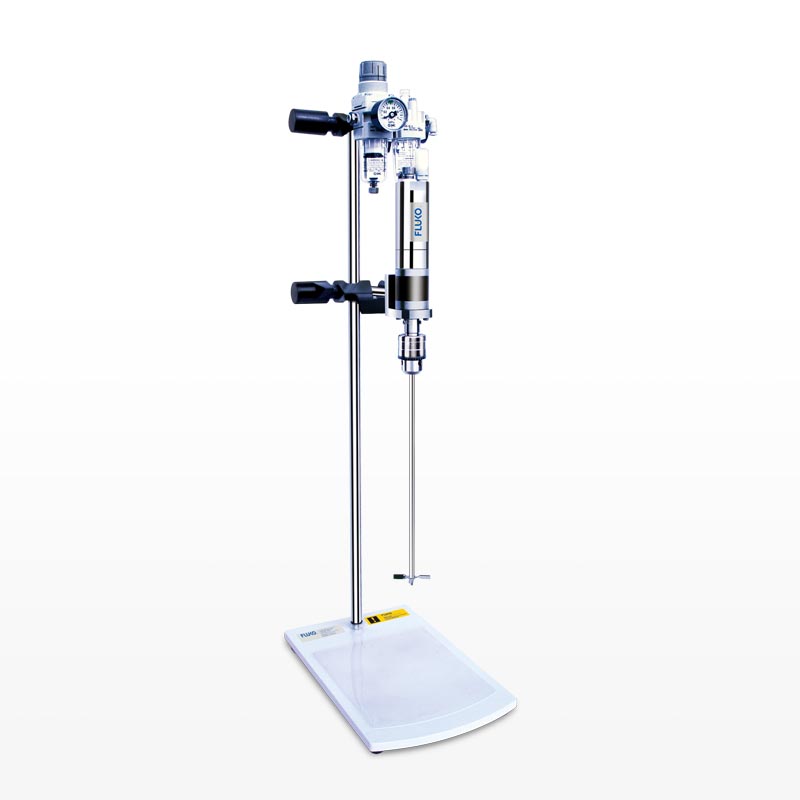
Decades of process engineering practice show that specifying measurable acceptance criteria cuts commissioning time. I’ve overseen commissioning where defined FAT tests shortened site troubleshooting by weeks. Major chemical complexes such as BASF’s Ludwigshafen site routinely publish performance-driven procurement case studies that align with these methods. For hands-on validation, request vendors show their test data on comparable systems and samples run on certified rigs that mimic your shear and residence-time profile—this is also the point where chemical mixing equipment demonstrations become decisive.
Summary and the practical value manufacturers deliver
Define what “good enough” means for your product, force vendors to prove it with measurable tests, and tie contracts to those tests. That approach reduces ambiguity, shortens construction and commissioning windows, and limits costly design changes. When project teams adopt this discipline, the supplier’s role shifts from guesswork to engineering partner, and that is the operational clarity leading teams to trust FLUKO for predictable mixing performance.