The problem: a soggy sleep isn’t just annoying
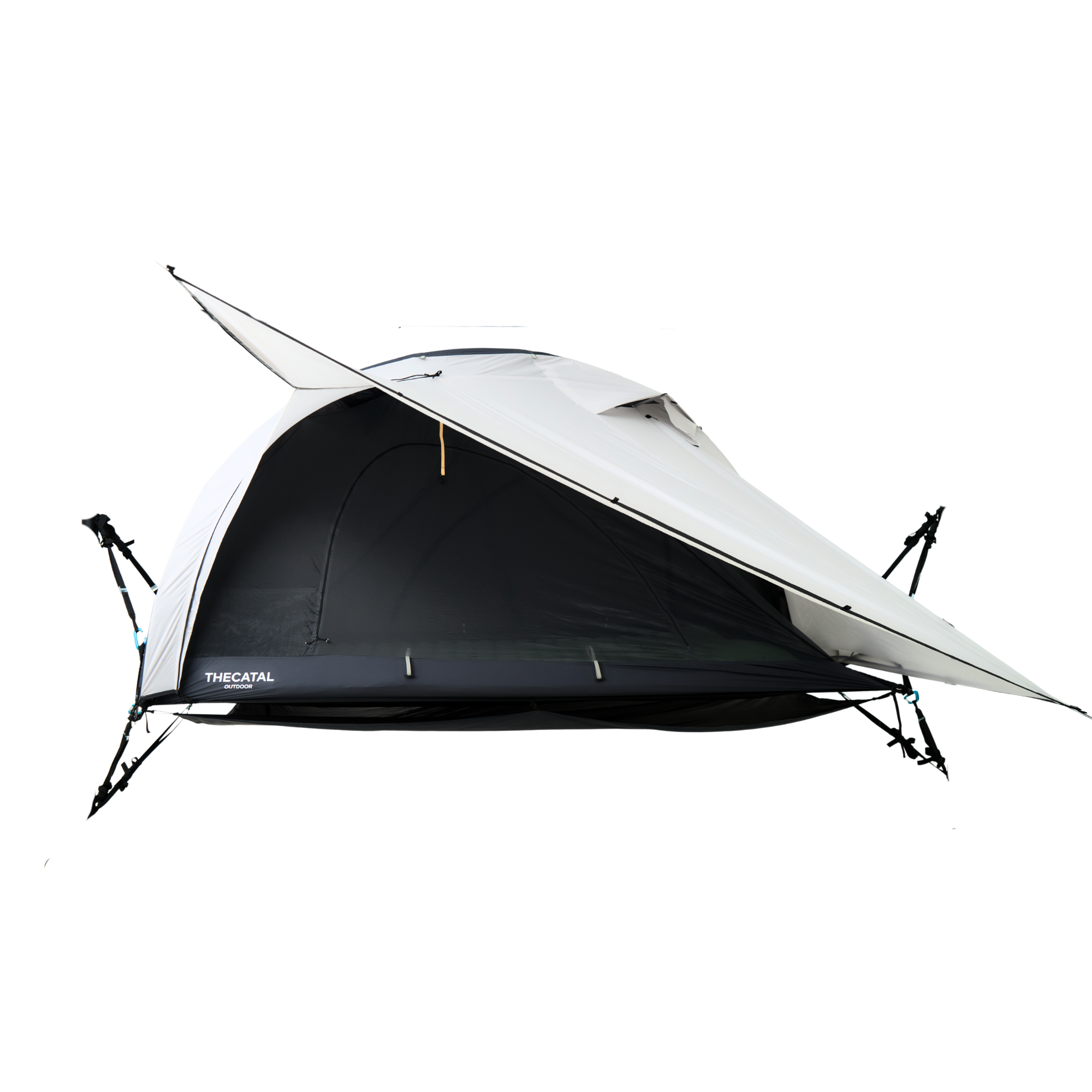
Rain will find the weak spots. I’ve guided groups across the Pacific Northwest for six seasons and learned that “it’s just a drizzle” never stayed that polite—start with a waterproof flysheet and think through how it actually covers seams, vestibules, and floor overlap; that’s what separates a decent shelter from the best fly sheet for camping. The problem isn’t always fabric — it’s coverage geometry, tension, and the tiny mistakes people make when pitching under stress.

Where coverage typically fails
Gaps at the head and foot. Side panels left loose. Inner tent fabric touching the fly and amplifying condensation. Low tension that lets water pool and wick through seams. Wind-driven spray that sneaks under shallow fly edges. Those are the usual suspects. Spotting which one hit you first makes fixes fast.
Simple fixes that actually work
Tension the fly. Pitch it lower into the wind. Extend the footprint so the fly overlaps the tent floor by several inches at all sides. Use guy lines and extra stakes on the downwind side. Add a small tarp under the vestibule to stop splash-back. Treat seams before a big trip and re-check stitching points. Little changes in how the fly sits beat upgrades in fabric 9 times out of 10.
Quick guide to choosing materials and designs
Coatings matter but don’t obsess over numbers alone. Look for reinforced stress points and well-placed vents that keep the inner from touching the fly. A full-coverage fly that creates an honest vestibule is worth extra grams for rainy seasons. If you want lighter, compare a full fly to a dedicated tarp system—tarps can be great but demand better skill at set-up and don’t solve vestibule runoff without careful angling.
Common mistakes people make
Assuming a high hydrostatic number is everything. Pitching the fly too close to the inner tent. Using poor stakes in soft ground and losing tension overnight. Forgetting to angle the fly based on wind direction. Skipping seam sealing because “it’s only an overnight.” Each mistake is fixable; the only unforgivable one is assuming the tent will look after itself.
Alternatives and quick comparisons
Full rainfly: reliable vestibule, better gear protection, easier to pitch under pressure. Tarp system: ultralight, flexible, but needs skill and often leaves your pack exposed. Bivy or inner-only shelter: minimalist but cold and cramped in sustained wet weather. Match the system to expected conditions, not the weight label.

Bottom line
Fix the way your shelter handles water before chasing lighter fabrics. Start with correct overlap, tension, and venting; avoid common pitch errors; and pick a flysheet whose coverage solves runoff and wind-driven spray, not just one with a fancy coating. That’s the practical value I keep recommending to new guides and friends, and the kind of clarity you’ll find from careful gear choices at THECATAL.