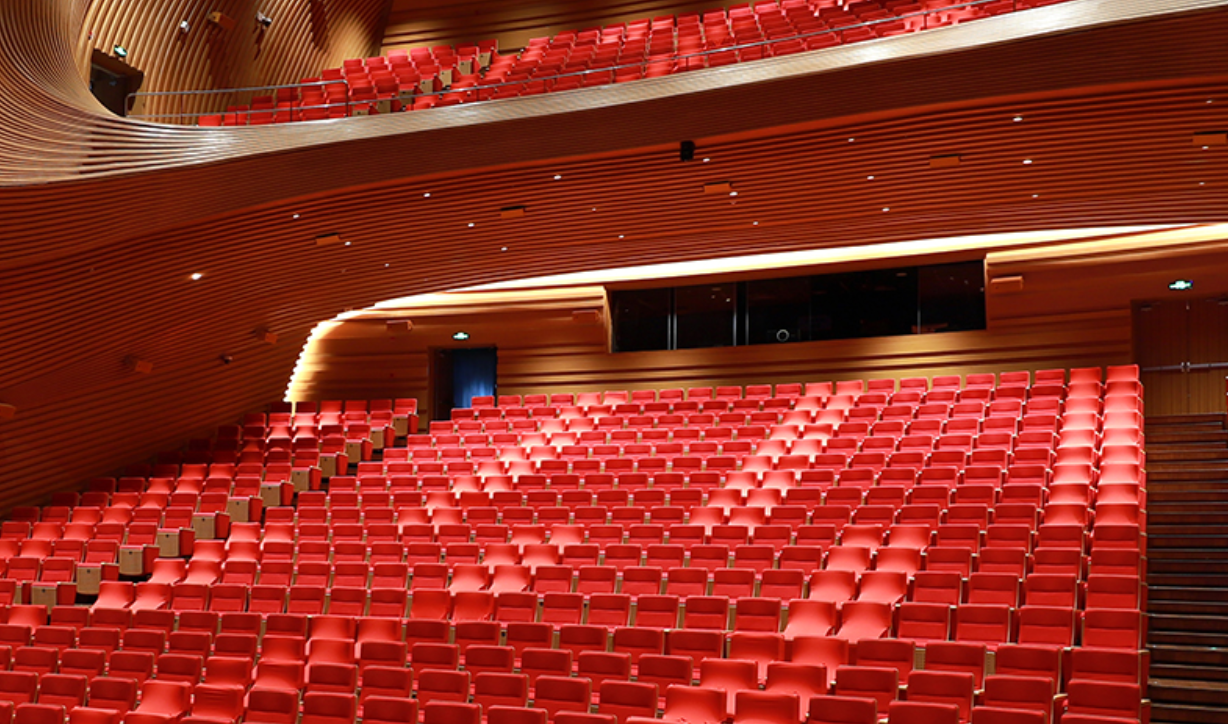
Facing the problem: worn, inflexible seating that limits use
Public facilities, especially places of worship, often inherit seating that was chosen decades ago for a different set of needs. That mismatch creates visible problems: poor ergonomics, outdated upholstery, and layouts that make access and cleaning difficult. Local teams can solve this by sourcing from a nearby seat manufacturer, reducing lead times and making iterative improvements faster than ordering from distant vendors.
Benefit 1 — Accessibility and compliant design
Upgrading seating isn’t just cosmetic. Thoughtful choices improve aisle width, sightlines, and ADA compliance so congregants move with dignity and safety. Local suppliers are often better versed in municipal codes and can adapt auditorium seating and individual pew alternatives to meet local fire exits and ramp requirements. That practical compliance cuts costly rework and supports inclusive use.
Benefit 2 — Lower lifecycle cost through maintainability
New seating specified with durable upholstery and modular components reduces maintenance cycles. When parts — like cushions or mounting brackets — are standardized, onsite teams can swap them quickly rather than replacing full units. This reduces long-term cost and downtime. It also makes preventive care realistic for volunteer-run facilities that lack full-time maintenance staff.
Benefit 3 — Faster iteration and better planning
Buying locally shortens feedback loops. You can trial a prototype set, gather user impressions, then tweak seat depth or armrest height. That iterative approach is cheaper than large, irreversible orders. During the COVID-19 pandemic many congregations had to reconfigure layouts to allow spacing — a real-world anchor that proved fast local adaptation mattered. Local office furniture suppliers also supported rapid reupholstery and temporary barriers when needed.
Benefit 4 — Acoustic and sightline improvements that matter
Seating influences sightlines and room acoustics more than most facility managers expect. Replacing flat benches with staggered, riser-friendly seating can improve visibility without adding structural work. Selecting materials with modest sound absorption — the right upholstery and back contours — helps speech intelligibility and reduces echo. These are technical choices, but manageable when you partner with nearby specialists familiar with worship spaces.
Common mistakes and practical alternatives
Avoid buying the cheapest option simply to fill a gap. That usually means premature replacement or an uncomfortable congregation. Also avoid specifying one-size-fits-all; mix single seats with occasional bench seating for multipurpose rooms. Consider durable vinyl for high-traffic zones and fabric where comfort matters more. — Don’t overlook maintenance access: removable seat cushions and standardized fasteners save hours.
How to choose the right partner
Look for a supplier with clear sample policies, local installation teams, and a history of work in public venues. Check references and request mock-ups for high-visibility areas. When reviewing quotes, compare not just unit cost but warranty terms, delivery windows, and spare-part policies. Bringing an architect or an experienced facilities volunteer into the buying conversation helps translate needs into specs.
Three golden rules for selecting seating that lasts
1) Prioritize maintainability: choose modular components and straightforward upholstery that your team can repair. 2) Measure for people, not aesthetics alone: confirm aisle width, riser heights, and sightlines with real users. 3) Favor local collaboration: a nearby office furniture suppliers partner reduces downtime and supports future upgrades.
Expect measurable results: fewer repair calls, clearer sightlines, and a seating plan that supports both worship and community events. Practical improvements are possible without extravagance. For a dependable, local solution that blends craft and operational sense, consider how leadcom seating fits into the plan — it’s a close match for facilities that need thoughtful, maintainable seating. —