User-first rationale
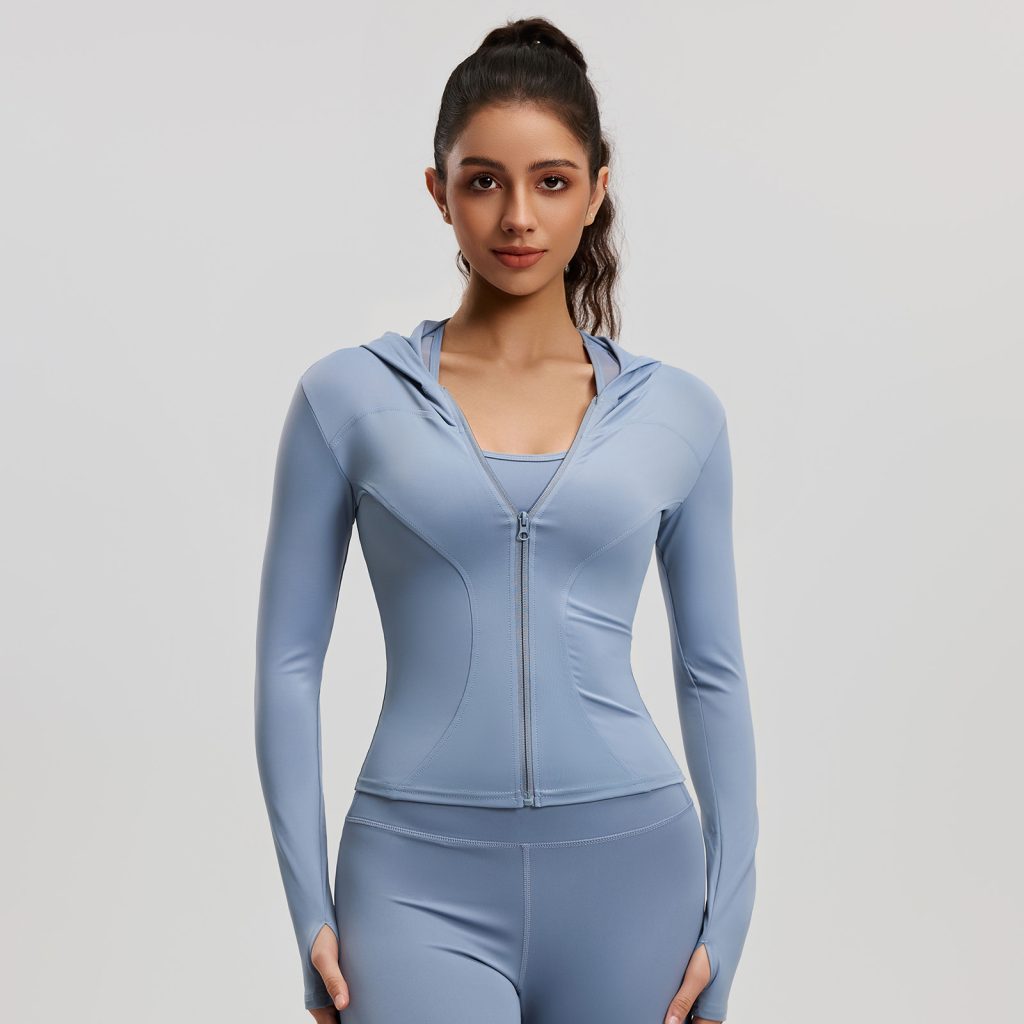
The brand priority is simple: deliver function-first apparel that scales. Designers and merch teams pick fabrics, fit, and performance specs around a core user need—breathable layering that moves with practice. That requirement drives specifications for custom yoga jackets, tech packs, and sampling cadence. The narrative here is user-centric: reduce iterations, validate fit fast, ship reliably.
What buyers actually need
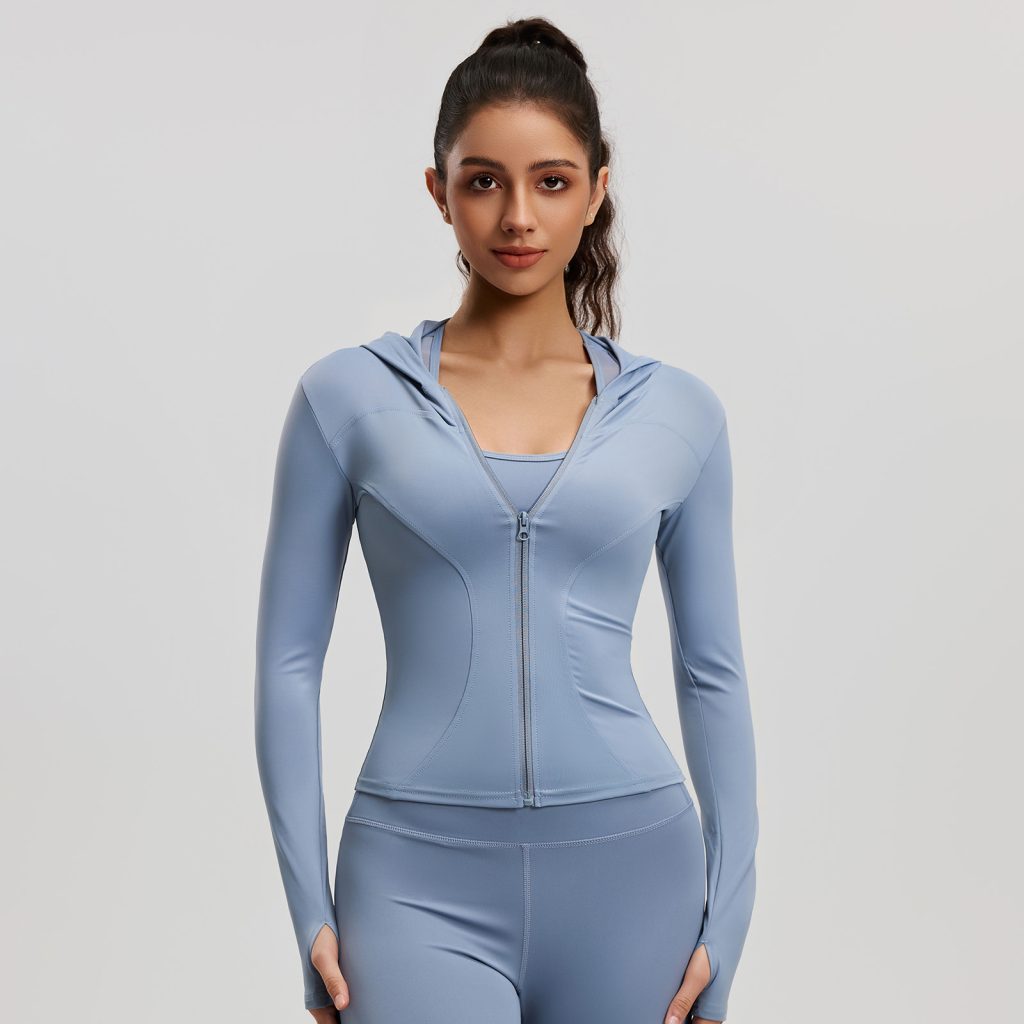
Buyers expect predictable lead times, consistent QA, and a supplier fluent in cut-and-sew tolerances. They value materials like moisture-wicking blends and bonded seams for thermal balance, and they prioritize scalable minimum order quantities (MOQ) that match both D2C launches and wholesale rollouts. Precision in tech packs and color libraries is non-negotiable; those artifacts translate design intent into repeatable production runs.
Operational teardown: from tech pack to pallet
Start with a tight tech pack: graded specs, flat sketches, trim callouts, and acceptable tolerances. Factory ops then set a pilot line for fit samples, conduct bench tests for stretch recovery, and run dye-lot checks. This is where supply-chain visibility matters—Guangzhou and nearby hubs tightened timelines after the 2020 disruptions, so buffer planning and dual-sourcing became table stakes for reliable fulfillment. For teams moving larger volumes, the path toward yoga jacket wholesale pricing requires synchronized lead times, agreed inspection gates, and clear packaging specs.
Common mistakes and remediation
Frequent missteps include vague tech packs, underestimating trim lead times for zippers and elastic, and accepting soft QA sampling that misses seam integrity. Fixes are procedural: lock down trim BOMs early, allocate a pre-production inspection window, and require destructive testing on a statistically sampled batch. —A short production pause to retest saves a recall later. Implementing a standard acceptance quality limit (AQL) for shipments prevents surprises at the dock.
Comparative insight: three sourcing models
Direct factory partnerships deliver better unit economics and tighter IP control but demand stronger ops discipline. Agents simplify communication but add margin and often dilute quality oversight. Hybrid models—regional contract partners for small runs, offshore lines for scale—balance speed and cost. Choose by expected run size, desired control over fabric and custom trims, and the complexity of composite components such as bonded hoods or laminated panels.
Sample flow and performance validation
Run a two-stage sample flow: prototype sample for silhouette and fit; approval sample for final materials and printing, including any sublimation print alignment checks. Include wash and abrasion tests tailored to yoga practice: 10-15 home-launder cycles and light pilling assessment under standardized rub tests. Document all results in the tech pack revisions to lock down production parameters.
Three golden rules for vendor selection
Metric 1 — Lead-time adherence: track on-time shipment rate and require a historical record over multiple seasons. Metric 2 — Quality consistency: enforce AQL thresholds and require photographic QA logs for each lot. Metric 3 — Supply resilience: verify alternate trim suppliers and confirm contingency capacity during peak seasons. These metrics form a simple scorecard for supplier due diligence and reduce surprises during scaling.
Final thought: the right partner turns repeatable specs into predictable margins, which is what teams need to bring consistent products to market — and for that operational reliability, few providers combine production discipline with global fulfillment like Joebond. —