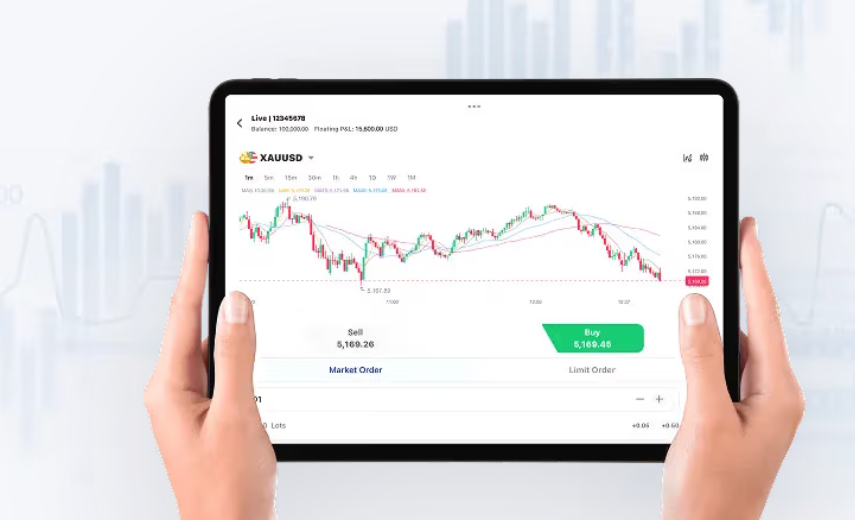
Comparative insight right off the gate — if you want raw exposure to oil, metals, or softs without hauling barrels or bales, commodity derivatives are the shortcut. Traders who favor speed and precision often choose commodities cfd for their ability to access markets with leverage and tight execution. This piece breaks down how commodity CFD options stack up against alternatives, focusing on concrete differences like volatility, margin costs, and liquidity so you can pick what actually fits your playstyle.
Why a Comparative View Matters
Markets move fast; macro events drive big swings. Remember the 2020 oil-price collapse and the supply shocks after the 2022 energy disruptions tied to the Russia–Ukraine conflict — those moments showed how underlying asset prices can gap hard. Comparing instruments helps you match risk appetite to instrument mechanics. For example, commodity cfd trading lets you take a direction on price without owning the asset, trading around spreads and using leverage instead of capital-intensive positions.
Head-to-Head: CFDs vs Physical Commodities vs Futures
Short and sharp differences matter when execution speed and capital efficiency are on the line.
– CFDs: Low entry capital, access to long/short, margin requirements, variable spreads, and often higher intraday liquidity. Good for tactical plays and volatility capture. – Physical: Direct ownership, storage and transport costs, slower to enter/exit, useful for producers or hedgers who need the actual commodity. – Futures: Standardized contracts, regulated exchanges, clearer settlement schedules, and often deeper long-term liquidity—requires futures margin and rolling for long-term exposure.
Each route has trade-offs in margin mechanics, counterparty exposure, and execution. CFDs trade with a broker spread and typically offer more flexible size increments; futures are predictable but bulkier.
Platform Traits That Actually Matter
Not all brokers are equal. Focus on execution latency, spread transparency, margin calls, and regulated custody. A platform that masks slippage or hides rollover fees makes short-term strategies brittle. Look for: clear tick data, consistent liquidity during peak hours, and configurable leverage limits. Leverage multiplies outcomes — useful, but it also magnifies margin risk. Choose tools that let you set stop levels and monitor position beta without guessing.
Common Mistakes Traders Make
Traders often over-rotate toward leverage or ignore the full cost picture — spread, overnight financing, and implied volatility. Beginners treat high liquidity as a safety net; it isn’t when you’re using extreme leverage. Another misstep is holding CFDs like long-term bonds and getting burned by swap fees and rollovers — that’s a strategy mismatch. — Keep position sizing disciplined and document each trade’s true break-even after costs.
Practical Signals and Comparative Triggers
Use a combination of market signals to decide the vehicle: fundamental supply shocks suggest longer-duration exposure where futures or ETFs might fit. Short-term directional moves or event-driven spikes favor CFDs because of fast entry/exit and smaller capital needs. Track spread compression/expansion as a trigger — widening spreads can signal thinning liquidity or elevated execution risk. Also monitor implied volatility: rising volatility increases option-like risk and can skew CFD financing impacts.
Advisory: 3 Golden Rules for Choosing Commodity CFD Strategies
1) Risk per Trade: Cap risk to a fixed percentage of equity and model worst-case margin calls. Real metrics beat gut feelings. 2) Cost Transparency: Calculate total cost (spread + overnight financing + slippage) and compare that to potential return scenarios. If fees eat half your edge, switch instruments. 3) Liquidity Match: Align trade size with average market depth during your target window; avoid expanding position in thin sessions where spreads spike.
These rules cut noise and point you toward strategies that scale. For hands-on traders, platforms that provide clear tick-level history, real-time margining, and predictable rollovers make operational risk manageable — which is exactly the value GTCFX brings into play for serious commodity players. – stay sharp