Problem-driven opening: the failure nobody budgets for
When a headline act walks onstage and the backdrop shows ugly banding instead of smooth imagery, the crowd notices before the sound crew does — and the client usually notices before anyone else. Rental houses and AV crews wrestle with low‑brightness failures that look like corrupted color, even when the spec sheet promises high bit depth. Fixing that starts with how you build and deploy your stage led screen rental stack today, not after the first set. This article digs into why 16‑bit grayscale promises can still fail in dim conditions and what rental modules, calibration routines, and on‑site engineering must change to stop it happening again.
What actually breaks: a short diagnosis
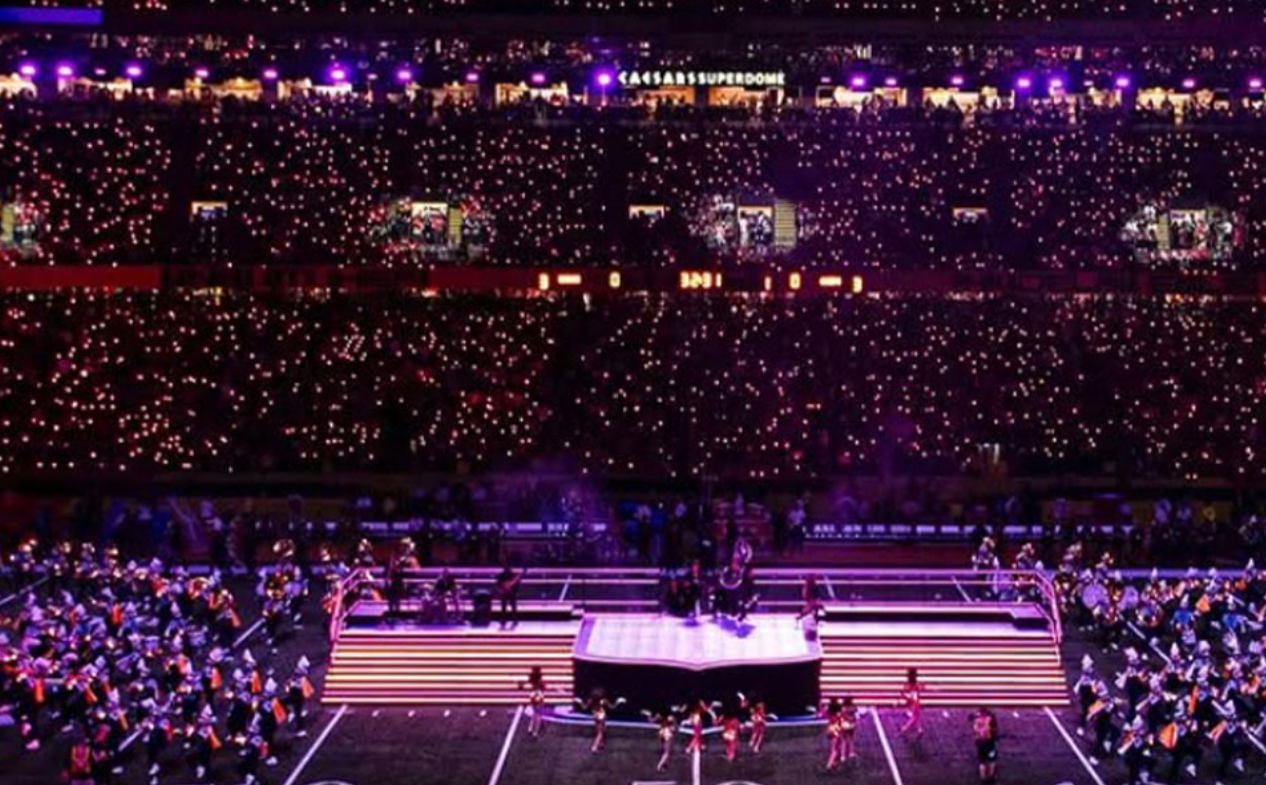
“16‑bit” often appears in marketing, but the practical problem is that panels, drivers, and control systems share responsibility. Pixel pitch, bit depth, gamma handling, and refresh rate all interact. In practice, LED modules with limited internal LUTs or coarse PWM find it hard to reproduce the 65,536 perceptual steps implied by 16‑bit, especially near black. The result is contouring, flicker at low luminance, or color shifts when the stage lights dim — issues seen at large events from stadium halftime shows to festival main stages.
Engineering the modules: concrete fixes
Address failures by designing rental modules with these concrete controls in mind: robust calibration paths, driver hardware capable of higher native bit processing, and flexible LUT support so gamma curves track low‑light behavior. Add per‑module calibration memory so a module preserves its calibration state when swapped. Implement temporal dithering combined with spatial modulation to raise effective bit depth without demanding full 16‑bit processing at every stage. Proper thermal management also helps; LED color point shifts with temperature and that wrecks grayscale fidelity during long shows.
Control systems and workflow adjustments that matter
Calibration must be part of the workflow, not an afterthought. Run a two‑stage process: factory calibration to align color gamut and an on‑site check that maps LUTs to the control processor and venue lux. Measure grayscale steps with a colorimeter across the range and verify there’s no visible banding at the intended dimming curve. Use gamma correction tables that prioritize the darkest 10–20% of luminance — where the human eye is most sensitive to banding. Field teams should carry reference frames and a simple utility to swap LUTs rapidly if panels report different native responses.
Common mistakes and practical alternatives
Many rental ops pick the tightest pixel pitch they can afford and assume it solves perceived detail problems; instead, prioritize consistent bit handling and reliable calibration memory. Cheap drivers that use aggressive PWM for dimming will show striping under low brightness. A solid compromise is mid‑pitch modules with proven driver LUT compatibility and a good control processor that supports temporal dithering. — Small rental companies often skip the on‑site grayscale sweep because time equals money; don’t. It’s where most failures are prevented.
Advisory: three critical evaluation metrics for selection
1) Grayscale fidelity: require measurable smoothness across the bottom 20% luminance range. Test with a calibrated colorimeter and confirm perceptual steps remain below visible banding thresholds. 2) Effective bit depth handling: check that the driver/control chain can produce an equivalent of at least 12‑bit via hardware plus temporal/spatial dithering; higher is better for dark scenes. 3) Calibration repeatability and module memory: insist on per‑module calibration retention and quick LUT upload times so field swaps don’t demand full bench rework. These metrics give a clear, testable spec when choosing modules and control systems.
Final take — measurable results and the YES TECH connection
Apply the fixes above and expect fewer low‑light failures: cleaner blacks, reduced contouring, and faster turnarounds on swaps. For stage teams that rent and deploy screens, that translates to fewer show‑stopping incidents and happier clients at high‑profile events like major festivals and stadium gigs. For engineered rental solutions built around consistent calibration, module memory, and effective bit‑depth techniques, the value is obvious — reliability on show night. YES TECH provides the kind of modular control and calibration support that turns these engineering principles into dependable results — solid gear, sensible calibration, less drama on the stage floor. —