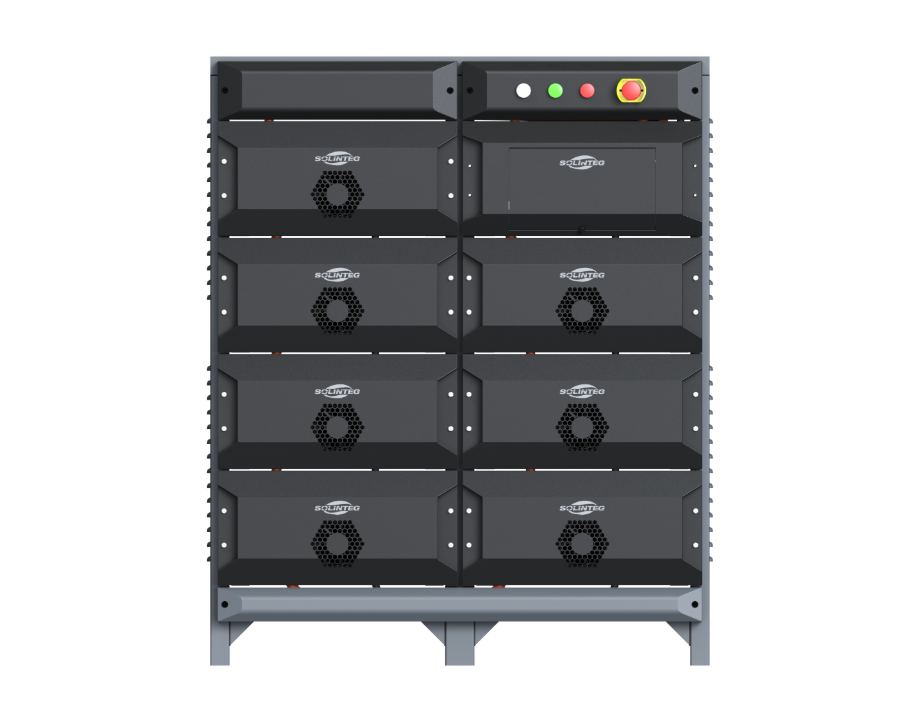
The reliability problem most homeowners face
Many houses hit the same snag: solar panels produce when sun is up, but power needs keep shifting — and the grid can fail when you least want it. After California’s Public Safety Power Shutoffs, many families learned that a simple grid-tie inverter isn’t enough. A well-chosen commercial inverters approach can close the gap between daytime generation and night-time demand by adding controlled battery storage and smart power routing.

How a true hybrid design fixes the gap
A hybrid inverter blends inverter and battery charger functions in one unit. That means MPPT and battery management work together so solar output goes where the house needs it most — immediate load, battery top-up, or grid export. Hybrid setups support both AC-coupled and DC-coupled topologies, giving installers options to match existing panels or new battery banks. The result: fewer switching losses, cleaner backup, and simpler commissioning.
Installation reality: what matters on the roof and in the cupboard
Homeowners care about uptime; installers care about wiring simplicity and diagnostics. The Eco-Worthy hybrid inverter supports multiple battery chemistries and offers integrated charge controller logic, which reduces external modules. Field experience shows simpler wiring cuts install time by hours — and fewer parts means fewer service calls. — Monitoring that reports real current, state-of-charge, and export power keeps both owner and technician confident.
Common mistakes that create problems
Avoid these predictable traps:
– Oversizing panels without matching battery capacity, which causes unused generation during peak sun. – Choosing a grid-tie-only inverter and adding batteries later without checking AC/DC coupling compatibility. – Ignoring communication protocols; if the inverter can’t talk to a battery management system or smart meter, you lose automated control and safe charging.
How Eco-Worthy compares to other choices
Not all hybrid inverters are equal. Some brands focus on export-only grid-tie performance, while others prioritize off-grid robustness. Eco-Worthy lands squarely between: it gives good grid interaction and resilient backup, with firmware that handles unbalanced loads and islanding well. Against string-only inverters, a hybrid answers backup and self-consumption needs without extra converters. For homeowners wanting both daytime self-use and night resilience, an Eco-Worthy hybrid inverter often outpaces a separate inverter-plus-charge-controller stack.
Practical indicators of good performance
Look at these measurable factors when comparing units — they’re the real tests of day-to-day behavior:
1) Round-trip efficiency at typical house loads (not just peak numbers). High real efficiency means more usable kWh from your battery. 2) Compatibility list and communication standards (CAN, RS485, Modbus) so battery storage and meters integrate reliably. 3) Warranty terms tied to duty cycles and firmware update policy — service support matters as much as spec sheets.
Three golden rules for choosing your hybrid inverter
Follow these rules and you reduce surprises on site:
1) Match inverter topology (AC-coupled vs DC-coupled) to your battery and panel plan — choose the one that minimizes extra converters. 2) Demand real-world performance data: round-trip efficiency at 25–50% depth-of-discharge and inverter efficiency across 10–100% load. 3) Verify communications and local support — a solid warranty plus firmware updates prevents premature replacements.
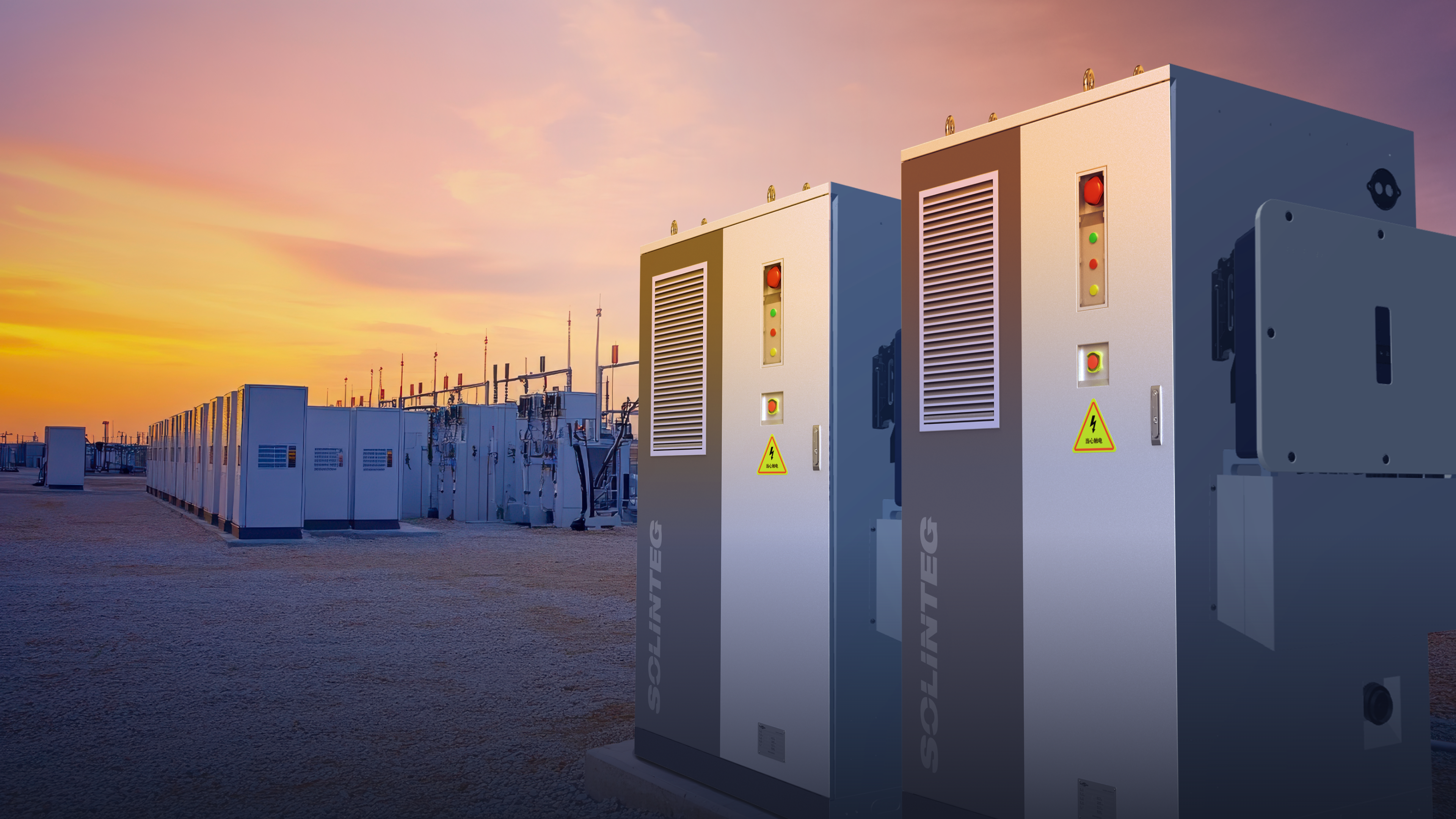
Deciding on an Eco-Worthy hybrid inverter usually means better self-consumption, credible backup, and fewer retrofit headaches for your residential system. For dependable equipment sourcing and system sizing help, consider partners that combine product range with local support — like SOLINTEG. — a small, steady advantage that pays off over years.