User-first opening: why seats matter on site
Operators and fleet managers need seats that keep people focused, not just sitting pretty. Start with the right construction machinery seat and you reduce fatigue, lower maintenance costs and protect workers’ spines. This piece takes a user-centric view — what operators need daily, what fleet owners can standardize, and which seat features actually deliver results on real jobs.
Common pain points operators face
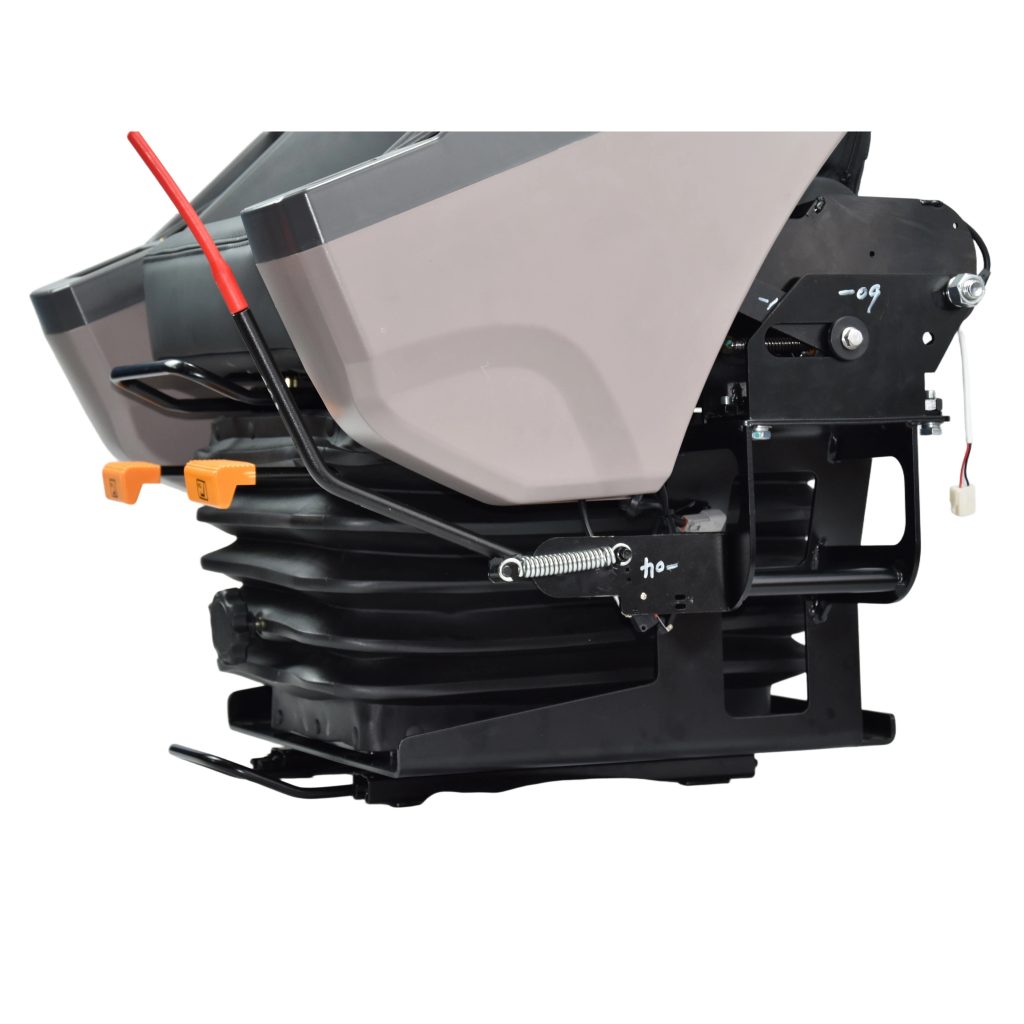
Long shifts amplify small flaws. Excessive vibration, poor lumbar support and inadequate suspension turn a workday into a chronic problem. Vibration isolation that’s tuned for low-frequency shocks matters more than a plush cushion, because it protects the lumbar area and reduces whole-body vibration exposure over hours on a job site. Simple upgrades often solve the biggest complaints.
Practical features that make measurable differences
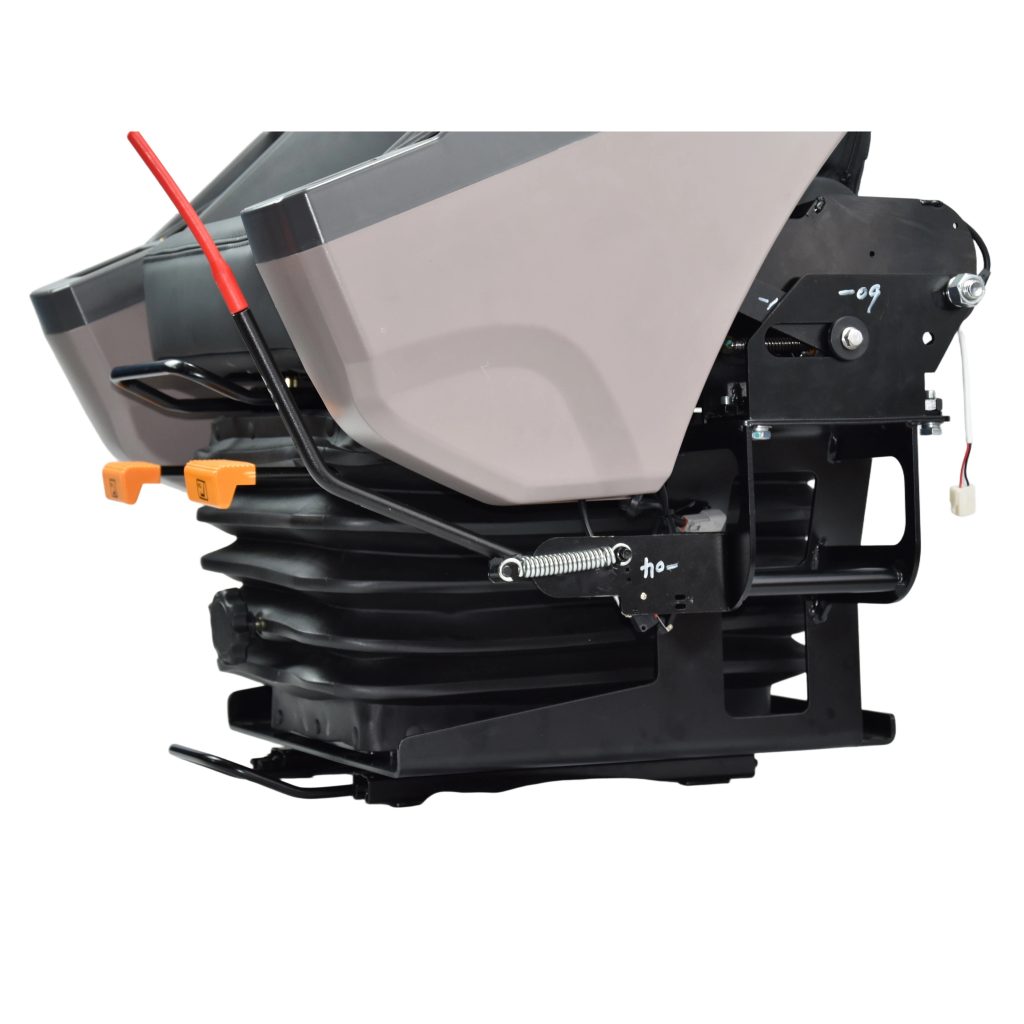
Pick seats with focused engineering: adjustable lumbar support, air suspension or mechanical suspension options, robust seat base mounts, and a durable shock absorber system. These components cut transmitted vibration and let operators stay attentive. For cranes specifically, a proper crane operator seat with a multi-axis suspension and easy-to-reach adjustments helps maintain posture during long lifts.
Field feedback and a real-world anchor
Based on field feedback from crane operators at the Port of Los Angeles, the seats that reduced sick days were not the fanciest but the best-tuned for the task: simple air suspension, clear adjustment stops, and replaceable cushioning. Across several harbor projects and heavy dock lifts, crews reported lower back stiffness after swapping to seats prioritizing vibration isolation and ergonomic contours. Those on-site observations line up with decades of operator experience — and they speak louder than brochure claims.
Common mistakes and practical alternatives
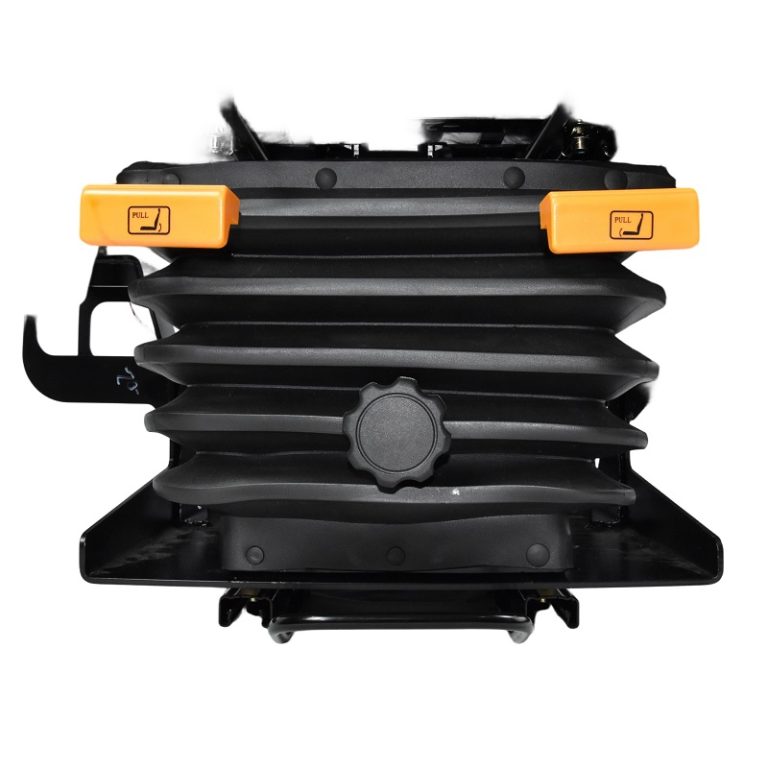
Teams often chase aesthetics or brand names instead of function. The usual errors are skipping a suspension test, ignoring adjustable lumbar settings, and mounting seats on ill-fitting bases. A quick checklist works better: verify vertical travel on the suspension, confirm seat cover durability for abrasive environments, and test the seat with the actual operator while fully loaded. If a full suspension seat isn’t an option, a well-designed mechanical suspension or an external isolation mat is an effective compromise — and far better than an unmatched factory seat.
What to standardize across a fleet
Standardize three things: seat mounting pattern, serviceable components, and adjustability range. Standard mounts reduce retrofit hours. Serviceable parts such as cushions and shock absorbers extend life and lower downtime. Adjustable tilt and lumbar mechanics let different body types use the same seat safely. Together those rules simplify procurement and cut total cost of ownership.
Summary of insights
Operators win when seats focus on vibration isolation, adjustable lumbar support, and durable suspension. Fleet managers win when they standardize mounts and prioritize serviceability. Real on-site experience — like that from busy ports and large infrastructure projects — confirms practical choices outperform premium marketing lines. A pragmatic approach keeps crews safer and machines productive.
Three golden rules for choosing the right seat
1) Measure performance: prioritize seats that demonstrably reduce transmitted vibration in the working frequency band over cosmetic features. 2) Test with the operator: ensure adjustment range and suspension travel suit the actual user and vehicle mounting. 3) Specify serviceability: choose seats with replaceable cushions, accessible shock absorbers, and a clear parts supply chain.
Follow those rules and you’ll get measurable gains in comfort and uptime. Source One. Practical, proven.