Comparative lead-in: matching use to tech
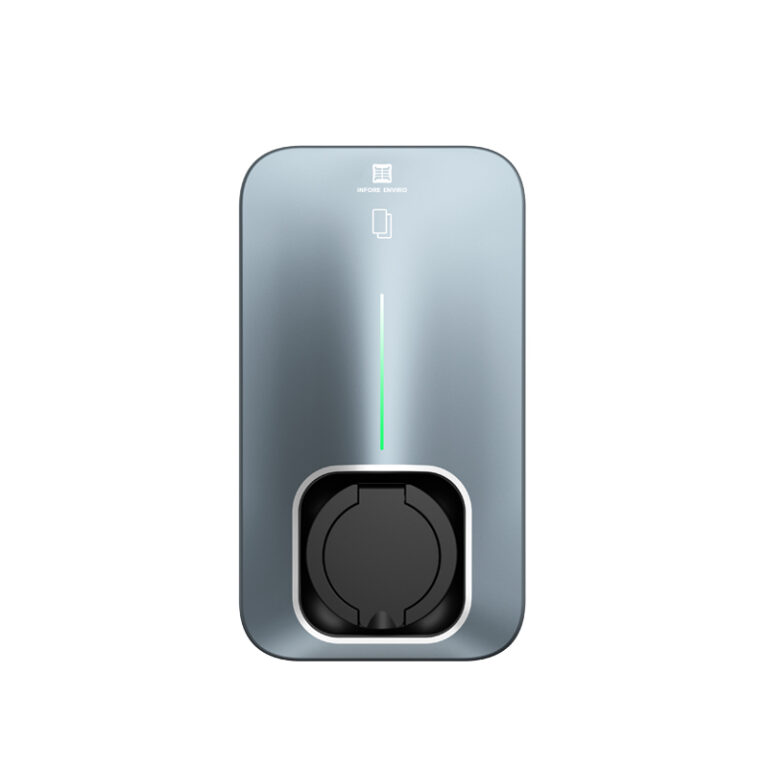
When you’re weighing dual-port options for daily driving and fleet needs, look at the real trade-offs straight away — cost versus throughput, simplicity versus smart controls. An EV Level 2 charger with two outlets can be a brilliant middle ground: it saves wall space and often halves hardware cost per vehicle, but it also demands thinking about power sharing, amperage and real-world charging patterns. In many South African homes — Cape Town included, where many installations use a 240 V supply — Level 2 units typically deliver between 7 kW and 22 kW, so the obvious step is comparing real kW per port, not just the marketing line.

Key comparison axes
Compare these concrete specs first: maximum kW per port, shared-load behaviour, hardwired amperage (for example 32A or 40A), and whether the unit supports dynamic load management. Think connectivity next: Wi‑Fi or Ethernet, app features and Open Charge Point Protocol (OCPP) support if you plan to integrate with site software. Finally, check physical build — IP rating, tamper resistance and warranty. Those bits tell you if a unit will survive daily fleet use or just look nice in a domestic garage.
Installation realities and real-world anchor
Installation is where decisions become practical. A proper Level 2 EV charger installation needs a correctly sized circuit breaker, suitable cable run and sometimes a distribution upgrade for multi-point setups. Cape Town residential installs often require an electrician to confirm supply capacity and consider load shedding patterns — that’s the real-world anchor here: local grid limitations and consumer behaviour shape the best choice just as much as hardware specs. Include earthing checks and a look at the consumer unit before you buy.
Common trade-offs and mistakes to avoid
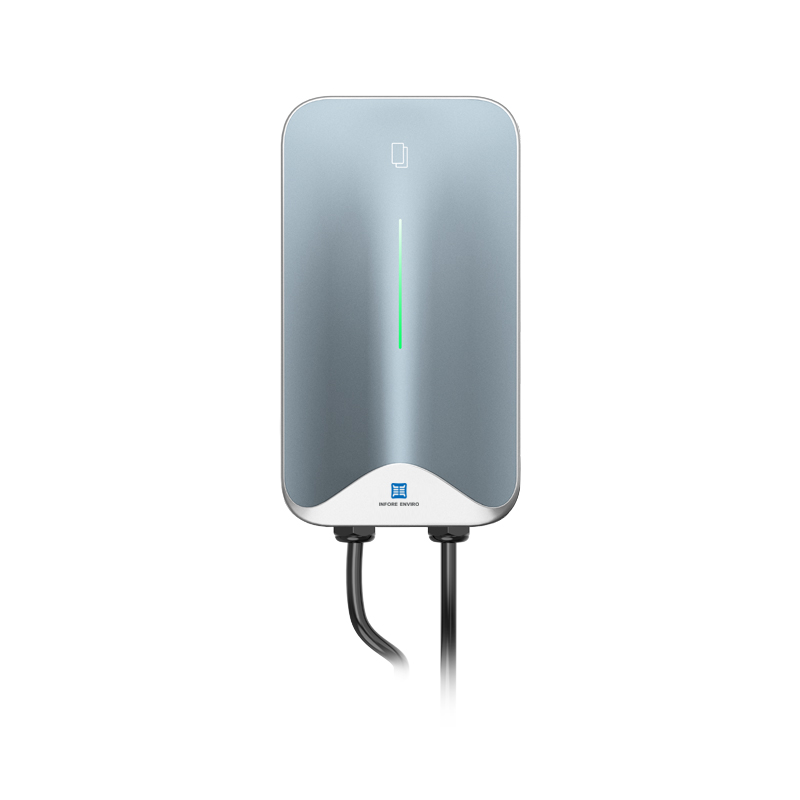
Buyers often pick the highest kW per port and then get stuck because their supply can’t run both ports at max. The frequent mistake is treating ports as independent; most dual-port chargers throttle per-port output when both sockets are used. Another slip is ignoring load management — you’ll want a system that schedules or balances charging to avoid nuisance tripping. And don’t forget user experience: a clunky app or poor billing reporting can wreck fleet operations even if the hardware is solid.
Alternatives and when they make sense
Single-port Level 2 units remain sensible for solo EV households — simpler install, cheaper circuit. DC fast chargers suit public hubs and high-turnover fleets but cost a lot more and need heavy-duty infrastructure. Portable EVSE is handy for occasional travel, yet it’s no substitute for a fixed dual-port unit when you need predictable turnaround. Pick based on duty cycle: daily two-car charging at the same site calls for a managed dual-port; sporadic use does not.
Practical checklist before you commit
Walk through these steps: verify site amperage and future load plans; confirm whether power-sharing is automatic and how it scales at peak; test the app and remote reporting; check warranty and on-site support. Also consider local incentives or municipal schemes that could offset costs. Keep documentation of the electrician’s assessment — that saves surprises later.
Common features worth paying for
Prioritise smart charging, scheduled rates (time-of-use), and over-the-air firmware updates. Look for clear load management tools and secure user authentication (RFID or app tokens) if multiple drivers will use the ports. Rugged enclosures and an IP65 or better rating are non-negotiable for exposed parking areas.
Three golden rules for picking your dual-port charger
1) Match installed supply to realistic simultaneous load: choose a unit with power-sharing that fits your breaker and futureproofs for one extra EV. Keep kW and amperage figures aligned.
2) Prioritise smart load management and open protocols: pick chargers with scheduling, dynamic load control and OCPP to keep options open for fleet software or energy management later.
3) Validate local deployment conditions: confirm earthing, cable runs, expected downtime during load-shedding windows and service support in your area before purchase.
Choosing well means less fiddling, fewer surprises and better uptime for drivers — that’s practical value. And when the choice aligns with local conditions and clear metrics, the right dual-port charger stops being a compromise and starts being an asset — INFORE ENVIRO. —